
Boat Sanding Abrasives and Techniques
Key Takeaways
- How to use abrasives. Start with coarser grits; step through to fine.
- Use blocks or interfaces; maintain even pressure.
- Clean between grits; remove dust before coating.
- Wet sanding refines; polishing restores gloss.
- Choose reputable brands and proven tools.
Why Proper Boat Sanding Matters
Sanding a boat is a necessary step in marine boat maintenance. It prepares surfaces for painting or varnishing, ensuring better adhesion and a professional finish. Guidance from 3M, Interlux, and WEST SYSTEM relies on clean, abraded, dust-free substrates before coating or bonding.
Choosing the Right Marine Abrasives
Selecting appropriate abrasives is key to successful surface preparation.
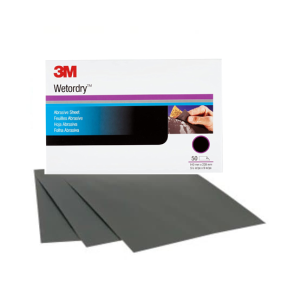
Core Options and When to Use Them- Wet vs. dry sanding: Wet sanding reduces dust and yields a finer finish; dry sanding removes material more aggressively.
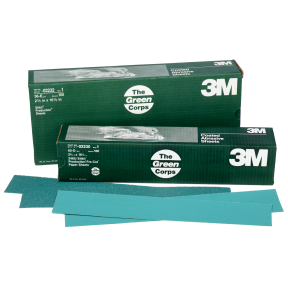
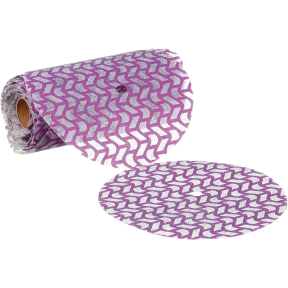
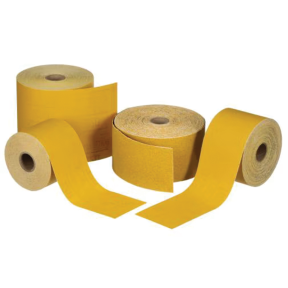
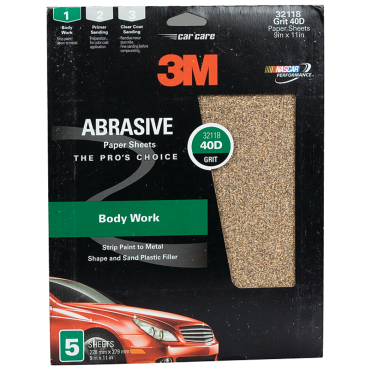
- Grit sequencing: For heavy removal (e.g., bottom paint), very coarse 40–80 grit works fast; refine progressively up to 1500–2000 grit for gelcoat before compounding and polishing.
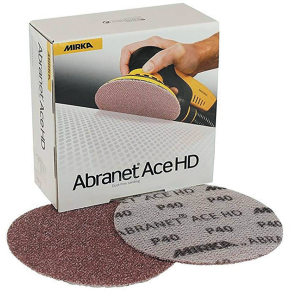
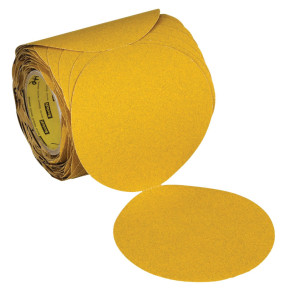
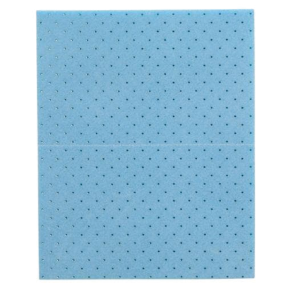
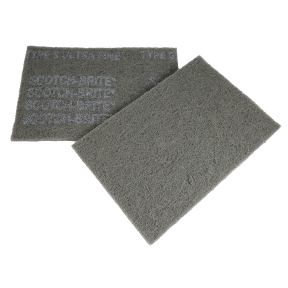
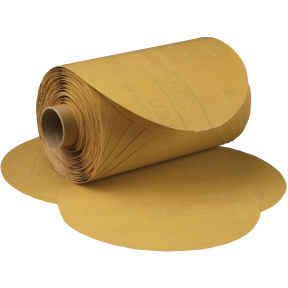
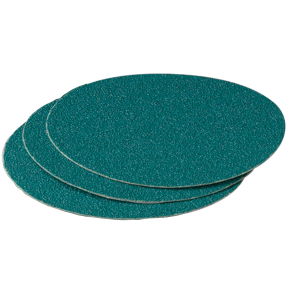
- Abrasive minerals: Aluminum oxide and silicon carbide dominate marine prep for durability and cut.
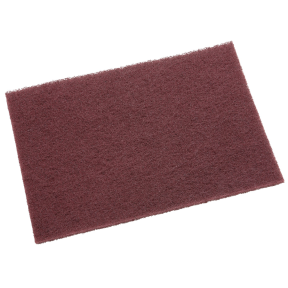
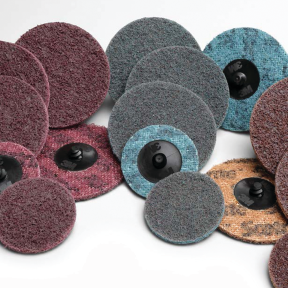
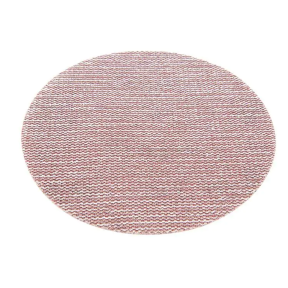
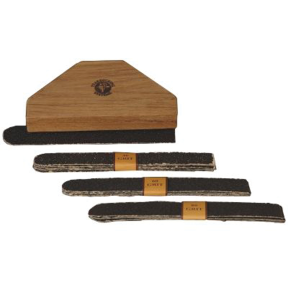
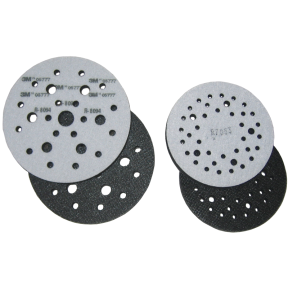
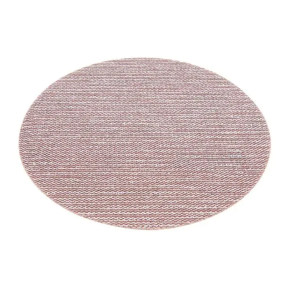
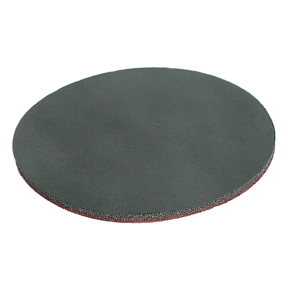
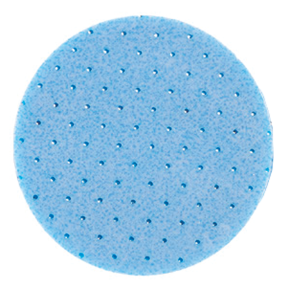
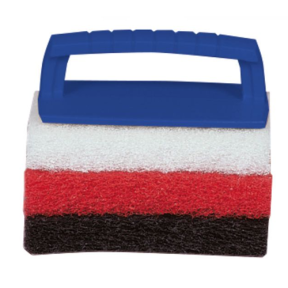
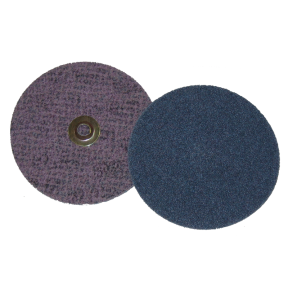
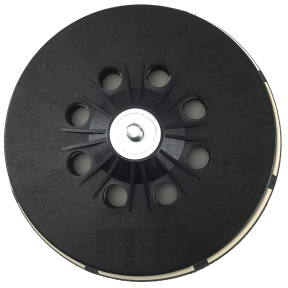
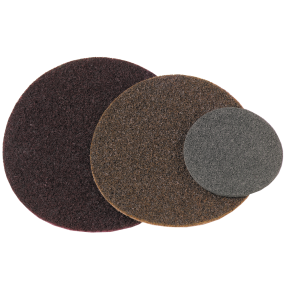
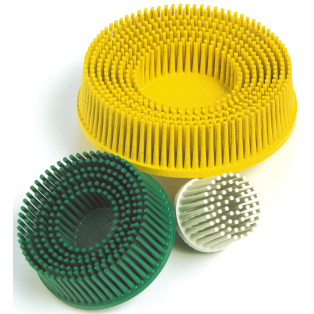
- Blocks & pads: Use sanding blocks, soft interface pads, and appropriate backers to maintain flatness and avoid gouging.
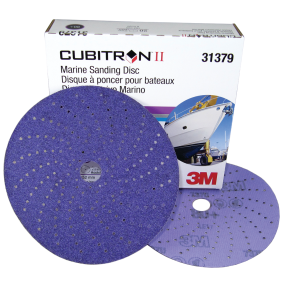
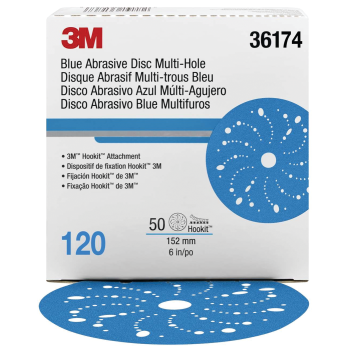
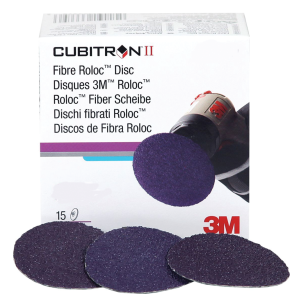
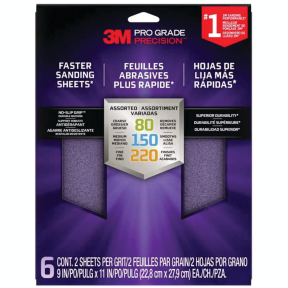
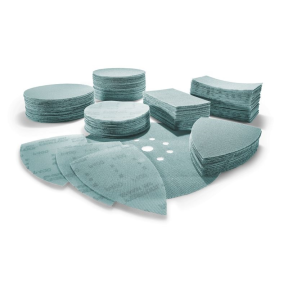
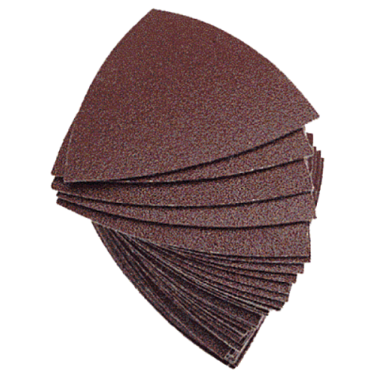
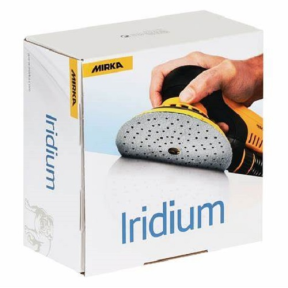
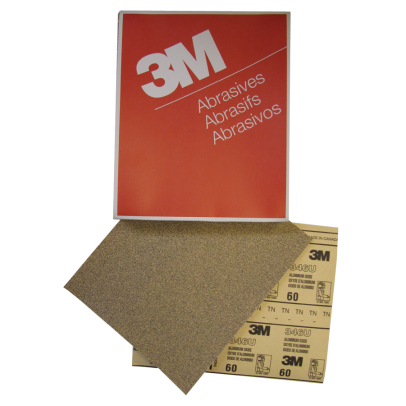
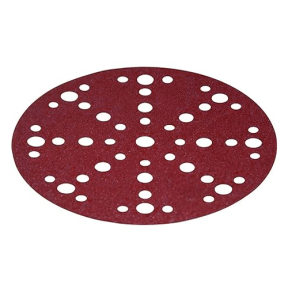
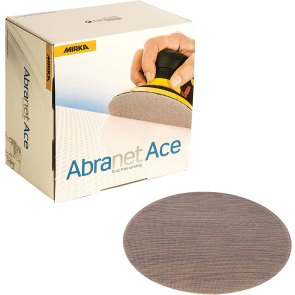
As a leading provider of marine supplies, Fisheries Supplyoffers a wide selection of boat sanding supplies from top brands:3M, Festool, and Fein Power Tools.
Boat Sanding Tools
Orbital Sanders & Accessories- Electric and pneumatic orbital sanders for efficient large-area coverage.
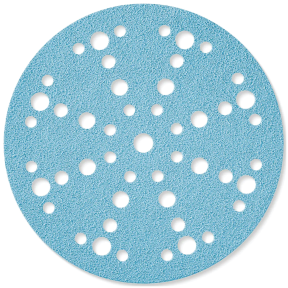
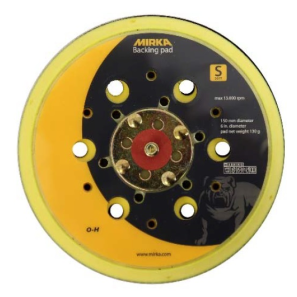
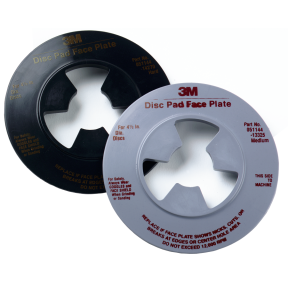
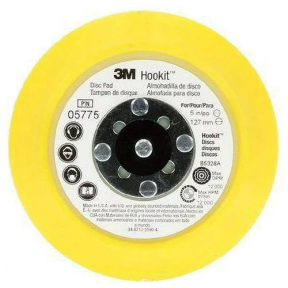
- Backing pads and interface pads matched to sander type.
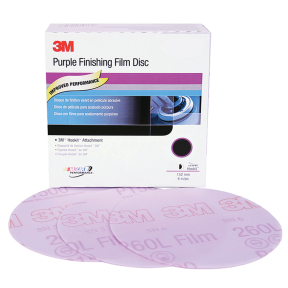
- Polishing discs and compounds for final gloss recovery.
- Grinding wheels for heavy-duty tasks.
Edge guides and dust extraction improve quality and safety; see Festool’s edge-sanding and gelcoat finishing guidance.
Tips for Effective Boat Sanding
- Start with coarser grits and progress to finer ones.
- Use a sanding block or pad and maintain even pressure to avoid uneven surfaces.
- Clean the surface thoroughly between grit changes.
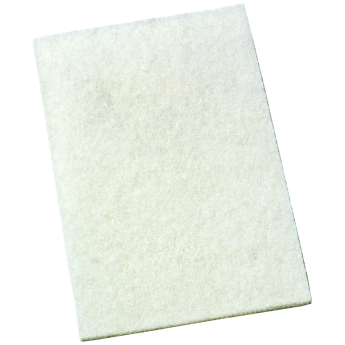
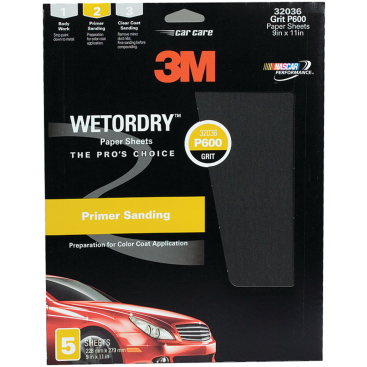
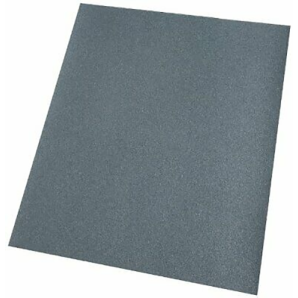
- Finish the sanding job with a boat wet sanding paper for a smooth finish.
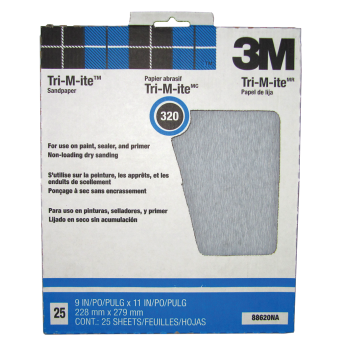
For coatings and epoxy work, follow manufacturer prep: clean thoroughly, abrade appropriately (often 80–320 grit depending on system), and remove dust before coating.
Frequently Asked Questions
Why is sanding a boat necessary before painting or varnishing?
It prepares surfaces for painting or varnishing, ensuring better adhesion and a professional finish.
What grit sandpaper is best for stripping bottom paint from a boat hull?
Use very coarse grades such as 40–80 grit (silicon-carbide or aluminum-oxide) to aggressively remove old paint or corrosion before refinishing.
Is wet sanding gelcoat with fine sandpaper enough to restore shine?
No—wet sanding to 1,500–2,000 grit smooths oxidation, but shine returns only after compounding and polishing. Sandpaper by itself doesn’t polish.
How often should I change or replace marine sandpaper when sanding?
Change sheets when clogged or grit performance declines—worn or clogged paper cuts slower and risks uneven sanding.
Related Categories
Shop now for marine abrasive finishing products. Browse our great selection of boat buffing supplies, or check out our 3M Abrasive Material Guide.