










Marine Paint Protection Film and Surface Protection Supplies
Marine paint protection film (PPF) is a clear film used to help shield finished boat surfaces from minor impacts, abrasion, stains, and UV exposure. Choose a film for the area’s exposure and visibility, and check its technical documentation for weathering performance and suitability for marine use.
Key Takeaways
- PPF commonly uses a thermoplastic polyurethane base, clear topcoat, and pressure-sensitive adhesive; some topcoats are designed to self-heal fine scratches with heat.
- Before applying film, clean and decontaminate the surface and address existing oxidation to support adhesion and optical clarity.
- Compare clarity, finish, and documented outdoor weathering performance for the intended location. Complex curves and large panels may call for an experienced installer.
What Marine Paint Protection Film Does
Marine PPF is a clear, conformable thermoplastic polyurethane film with a protective topcoat that bonds to finished surfaces. It can help absorb minor impacts and resist UV exposure, stains, and discoloration. Manufacturer bulletins describe properties such as resistance to weathering, stains, shrinkage, and elongation; check the specific film’s documentation for details.
Films marketed for marine use may be intended for saltwater, sun, and spray exposure. Common application areas include decks, transoms, gunwales, boarding areas, consoles, engine cowlings, and hatch lids.
Protection, Limitations, and Upkeep
- Scuffs and abrasion: Film can help protect high-contact areas from light to moderate abrasion and dock rash. Deep impacts may still mark or cut it.
- Fine scratches: Some films have heat-activated self-healing topcoats intended to reduce the appearance of fine scratches or swirls. Serious gouges may require film replacement.
- UV exposure: UV contributes to gelcoat oxidation and loss of gloss. Film, along with regular surface care, can help slow that process; it does not replace UV-care routines.
- Cleaning: Wash gently, avoid harsh solvents, and inspect film edges periodically. Reduced scuffing may also reduce the need for frequent compounding and polishing.
Film topcoats and UV inhibitors are designed to resist yellowing and discoloration, but service life depends on the product, climate, and care.
Masking and Surface Protection Supplies
| Supply category | Product | Application |
|---|---|---|
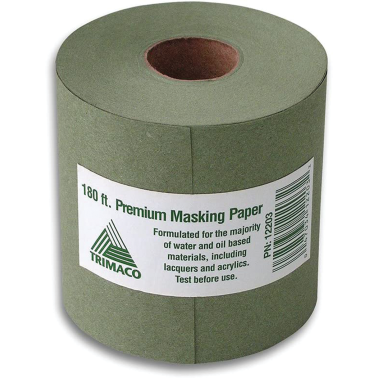
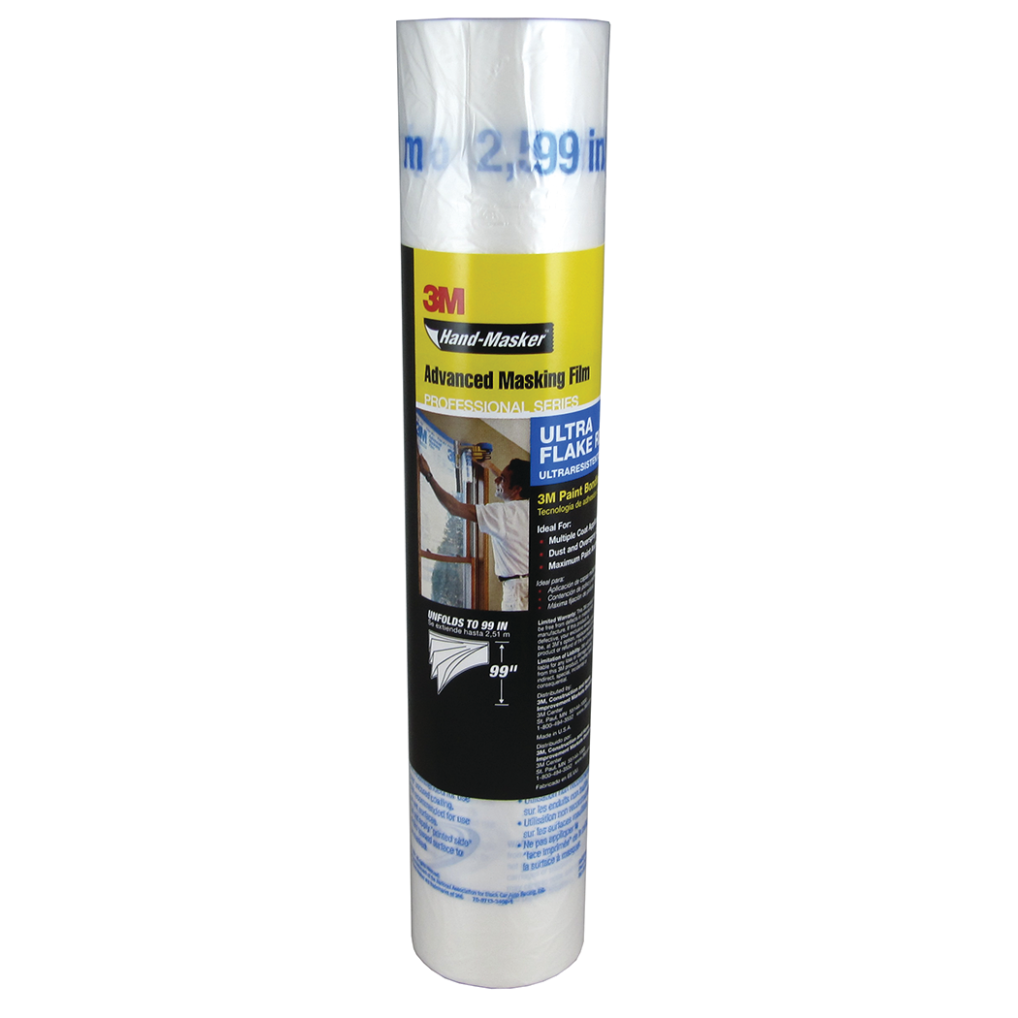
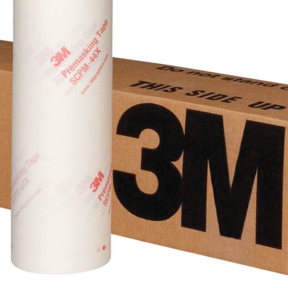
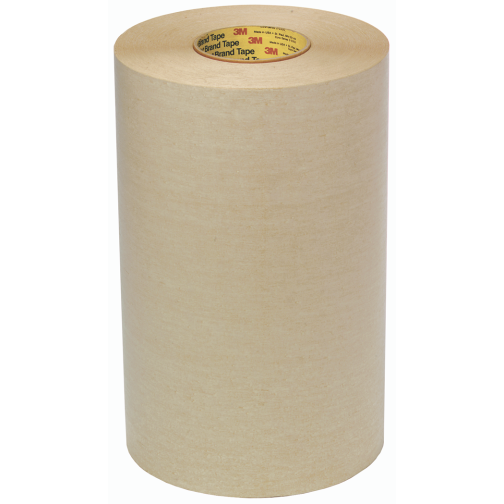
| Masking supplies | Adhesive-backed masking film | Covers adjacent areas during painting or surface preparation. |
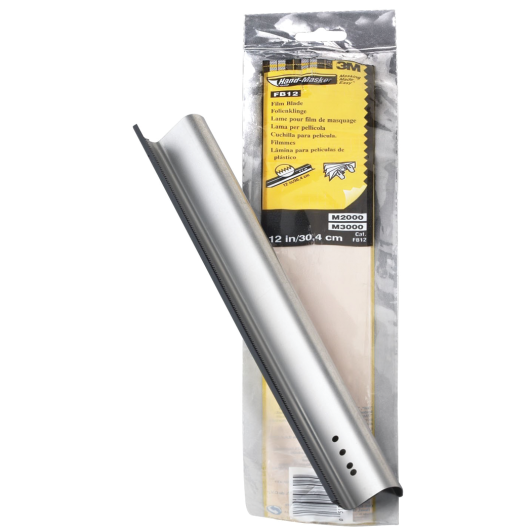
| Protective tape | Helps guard edges, hardware, and walkways during maintenance. | |
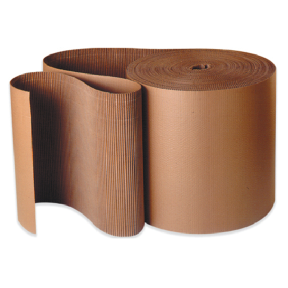
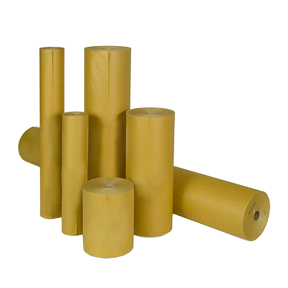
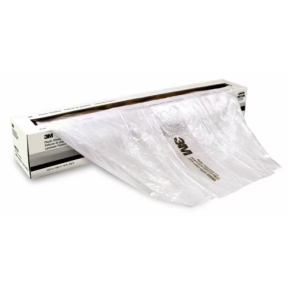
| Plastic or cardboard sheeting | Covers larger areas to keep debris and overspray off finished surfaces. | |
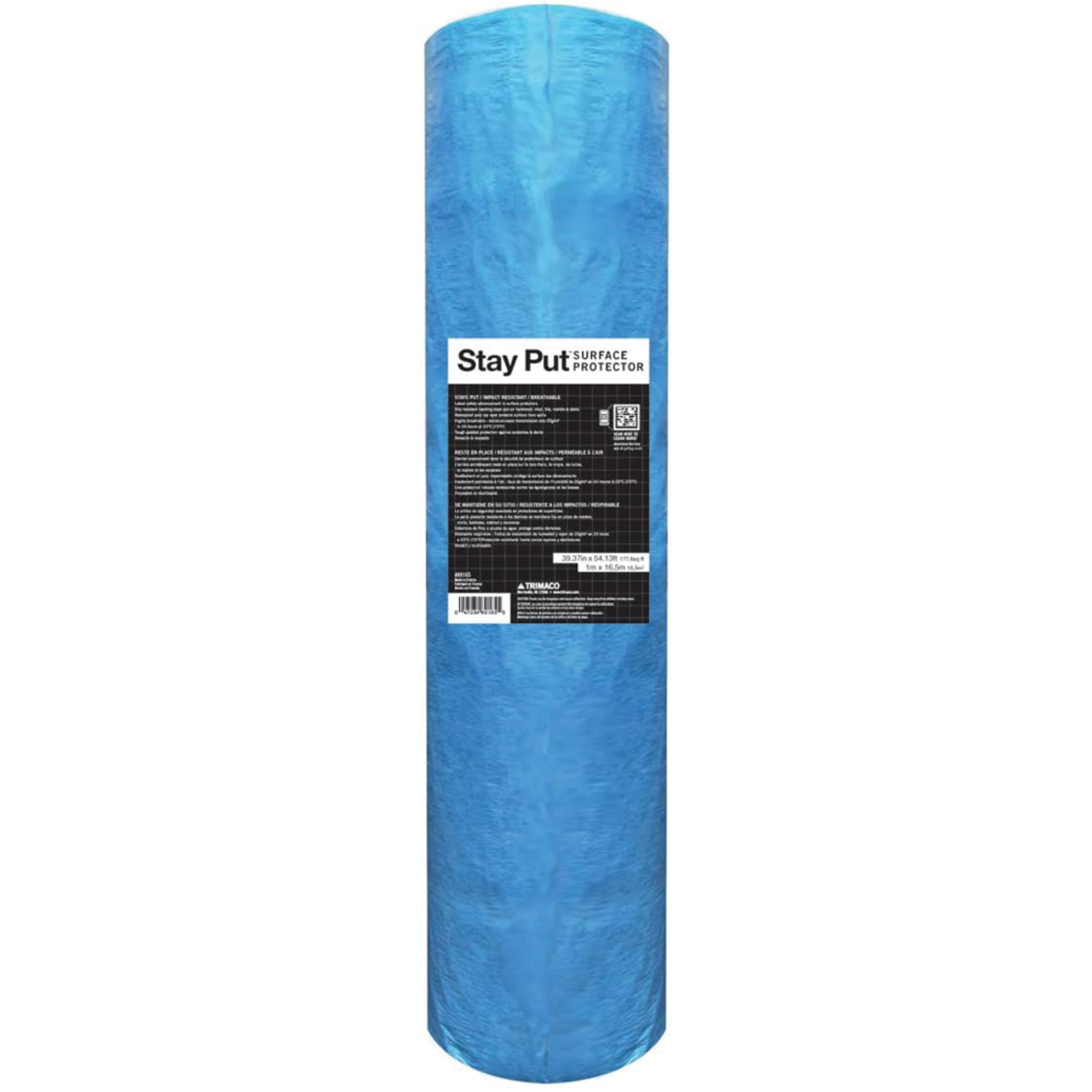
| Other surface protection products | Protective films | Create a barrier against scratches, UV, stains, and environmental contaminants. |
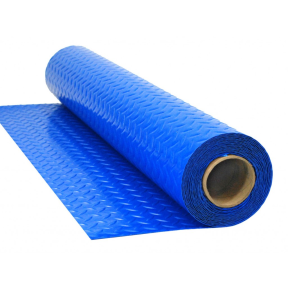
| Non-skid coatings | Add a non-skid surface to high-traffic decks. | |
| Keel guards | Reinforce contact areas against docks and rocky shores; commonly used on inflatable dinghies. |
How to Choose Marine Protection Film
- Identify the application. Consider the surface and its exposure to salt, sun, spray, and abrasion.
- Compare construction and documented performance. Common marine and automotive PPF constructions pair a TPU base with a clearcoat and acrylic pressure-sensitive adhesive. Check the product’s technical bulletin for UV and weathering information and verify suitability for marine use.
- Choose a finish for the location. High-clarity film may suit visible areas such as topsides and consoles; matte options can reduce glare. Consider thickness alongside visibility and application needs.
- Plan the installation. Wash and decontaminate the surface, and address oxidation with compounding or polishing as needed. Small, flat sections may suit experienced DIYers; complex curves and large panels may be better handled by a qualified installer.
Thicker films may absorb more abuse, but they require careful application. Follow the specific product’s instructions and review its warranty terms for the intended use.
Browse Marine Tapes
For tape used in marine maintenance and surface protection, browse marine tapes.
Frequently Asked Questions
Is automotive PPF suitable for boats?
Some polyurethane PPFs are engineered for outdoor weathering and UV exposure, while marine-specific variants may focus on salt and splash zones. Verify the product specifications and warranty for marine use.
Will PPF yellow over time?
Films with UV inhibitors and clearcoats are designed to resist yellowing and discoloration outdoors, but service life depends on climate and care.
Does PPF stop all scratches?
No. PPF can absorb light to moderate abrasion and dock rash, but deeper impacts may mark or cut the film. Self-healing topcoats address fine scratches; serious gouges may require film replacement.
What causes gelcoat to chalk?
UV exposure and weathering can erode gelcoat gloss over time. Protection and maintenance can slow the process.