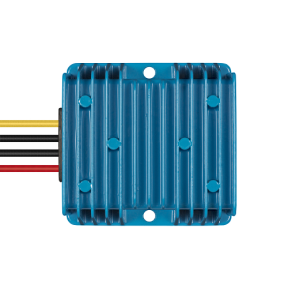
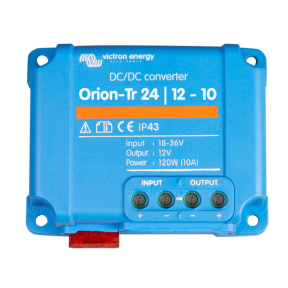
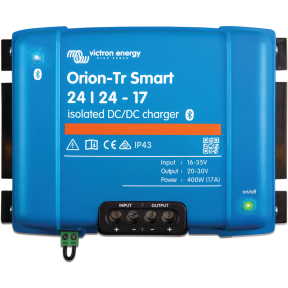
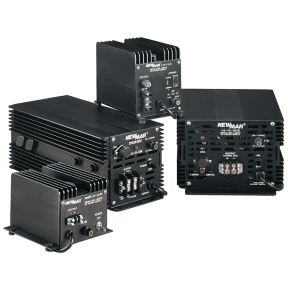
Marine Power Supplies and Converters
Reliable electrical power is a core requirement on any vessel, from small recreational boats to long-range cruisers and commercial fishing boats. A well-designed marine electrical system supports navigation electronics, communications, lighting, and onboard appliances without interruption.
At a Glance
- Marine power converters protect and stabilize onboard electrical systems.
- Different converters serve distinct AC and DC voltage needs.
- Marine-rated equipment is built for demanding onboard conditions.
- Established brands offer proven reliability and performance.
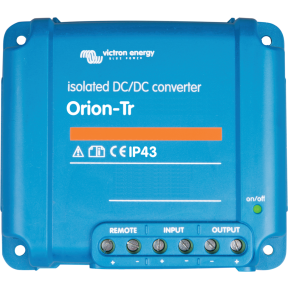
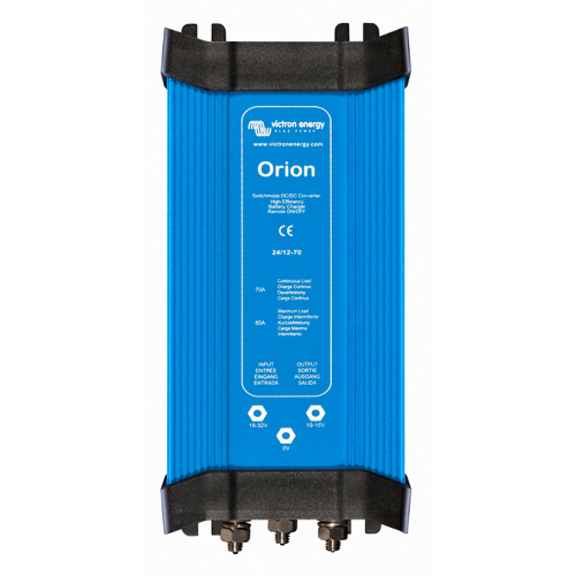
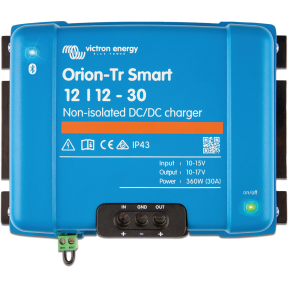
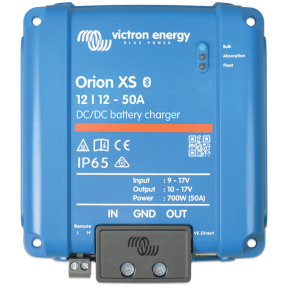
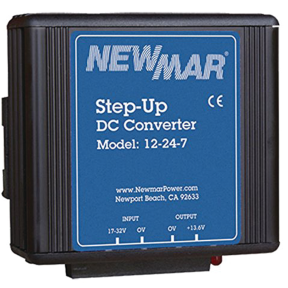
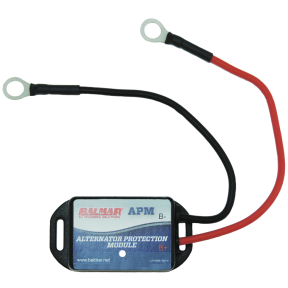
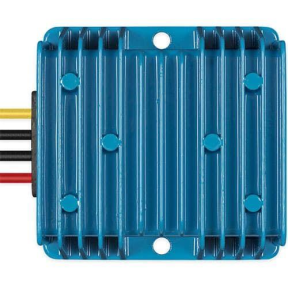
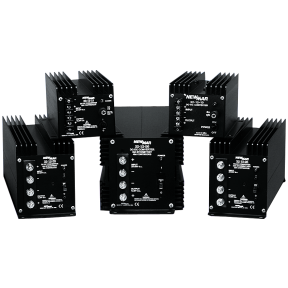
Fisheries Supply carries a broad selection of marine power supplies, converters, and transformers designed specifically for onboard use. These solutions address common needs such as AC-to-DC conversion, voltage regulation, and system compatibility across mixed electrical loads.
Why High-Quality Marine Power Conversion Matters
Marine electrical equipment operates in demanding environments where moisture, vibration, and temperature changes are constant factors. Power conversion components must deliver stable output while protecting sensitive electronics from voltage fluctuations.
Marine-grade shore power converters, voltage reducers, and DC-DC converters help maintain consistent energy flow throughout the boat. Proper power management supports safe operation of navigation systems, battery banks, and onboard devices, both at the dock and underway.
Marine Power Supply and Converter Options
Our inventory covers a range of marine power conversion solutions used by boat owners and technicians. These products are selected to integrate with common marine electrical architectures.
- Marine Power Transformers: Provide isolation and voltage stability for onboard systems.
- Battery Converters: Manage power conversion for efficient battery charging.
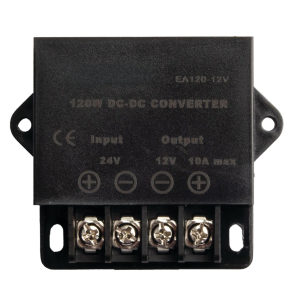
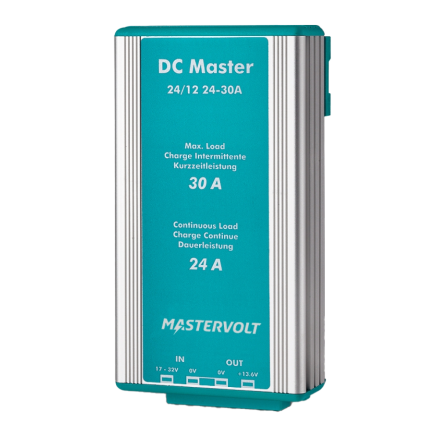
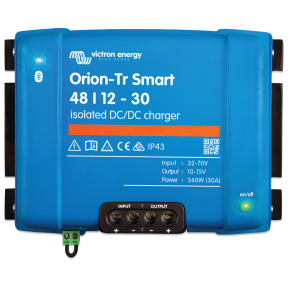
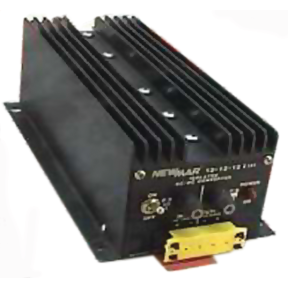
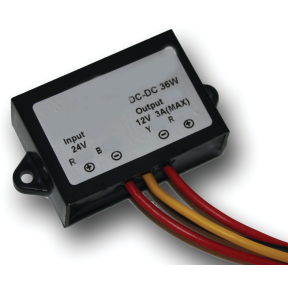
- DC-DC Converters: Convert between DC voltage levels within multi-battery systems.
- AC-DC Converters: Convert shore power AC into usable DC output.
- Hydrogenerators: Generate renewable power while sailing.
- Step-Up and Step-Down Converters: Adjust voltage to match equipment requirements.
Trusted Marine Electrical Brands
We stock power conversion equipment from established manufacturers with a long track record in marine electrical systems.
Benefits of a Reliable Boat Power Supply
- Durability: Built to withstand moisture, corrosion, and vibration.
- Efficiency: Designed to minimize energy loss during conversion.
- Versatility: Compatible with a wide range of marine electrical systems.
Frequently Asked Questions
What type of marine power converter is needed for a boat?
The required marine power converter depends on the boat’s electrical system. DC-DC converters are used to stabilize or change DC voltage levels, while AC-DC converters are commonly used to convert shore power into usable DC power.
How do you choose a marine shore power converter?
Selecting a shore power converter requires matching the shore power voltage and frequency to the boat’s electrical system and ensuring the converter supports seamless voltage conversion.
How do step-up and step-down converters work?
A step-up converter increases voltage to meet higher power requirements, while a step-down converter reduces voltage to protect sensitive electronics and ensure safe operation.
What is the difference between an AC to DC converter and a DC to DC converter in a marine system?
AC to DC converters (often called power supplies) take incoming shore power or generator power and convert it into DC voltage to run onboard electronics or charge batteries. DC to DC converters are used to change one level of DC voltage to another, such as stepping down a 24V battery bank to 12V for specific equipment, or stabilizing voltage to ensure sensitive electronics receive a constant, clean power flow.
Why should I choose a marine-grade voltage converter over a standard automotive or RV model?
Marine-grade converters are specifically engineered to withstand the demanding salt-air environment. They typically feature corrosion-resistant coatings, sealed or semi-sealed enclosures to prevent water intrusion, and enhanced vibration resistance to handle the constant movement of a boat. Additionally, they are built to meet strict ABYC safety standards, which include specific neutral-ground bonding requirements essential for boat safety.
What are isolated vs. non-isolated DC-DC converters, and which do I need?
Isolated converters have a physical electrical barrier between the input and output circuits, which helps prevent electrical noise and protects sensitive equipment from voltage spikes or ground loops. They are highly recommended for expensive electronics like navigation systems. Non-isolated converters are simpler and more compact, making them suitable for less sensitive loads where common grounding is not a concern.
How do I determine the correct amperage for a new marine power supply?
To choose the right size, calculate the total "house load" by adding up the maximum amperage draw of all DC devices you plan to run simultaneously (such as lights, pumps, and electronics). It is best practice to select a power supply that offers roughly 20% more capacity than your peak calculated load to prevent the unit from running at its maximum limit and to allow for future equipment additions.
Can a marine voltage converter be used to charge my batteries?
While some high-end power supplies and converters can provide a steady float voltage, dedicated battery chargers or inverter-chargers are preferred for primary charging. Standard converters provide a constant voltage output, whereas dedicated marine chargers use multi-stage charging profiles (bulk, absorption, and float) to properly maintain battery health and extend the life of your battery bank.