





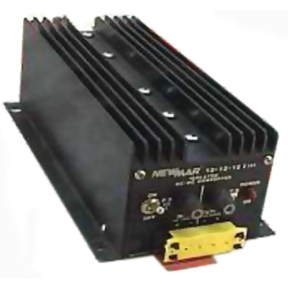


Marine Power Supplies and Converters
Marine power supplies and converters change or regulate electrical power for onboard equipment, batteries, and mixed AC and DC systems. To choose a compatible unit, identify the source and required output voltage, then check the boat’s electrical system and the equipment’s power requirements.
Types of Marine Power Supplies and Converters
Different devices perform different jobs. Match the converter type to the power source and the equipment it needs to support.
| Product type | What it does | Typical application |
|---|---|---|
| Marine power transformers | Provide electrical isolation and voltage transformation. | Onboard systems that need transformer-based power conversion. |
| AC-DC converters | Convert incoming AC power to DC. | Using shore or generator power for DC equipment or battery charging. |
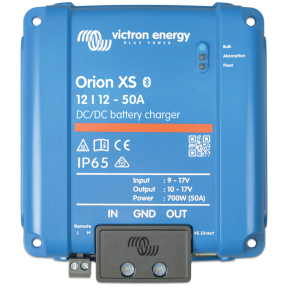
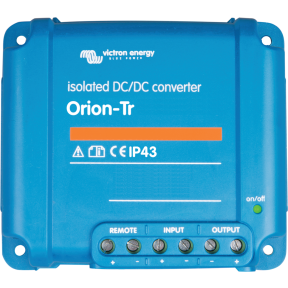
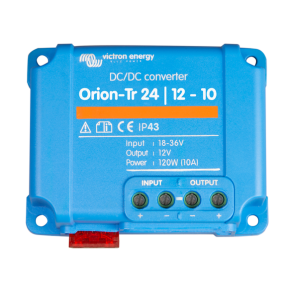
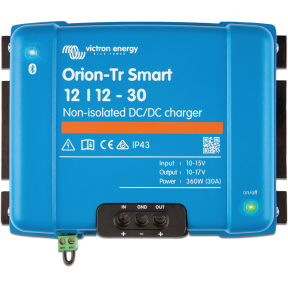
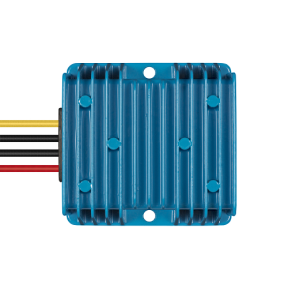
| DC-DC converters | Change or stabilize DC voltage. | Supplying equipment that uses a different DC voltage from the battery system. |
| Step-up and step-down converters | Increase or reduce voltage to match equipment requirements. | Systems that require a different voltage level. |
| Battery Chargers | Manage power conversion for battery charging. | Battery systems requiring a compatible conversion device. |
| Hydrogenerators | Generate power while sailing. | Renewable power generation underway. |
Choosing a Compatible Unit
- Identify the power source, such as shore power, a generator, or a battery bank, and whether it supplies AC or DC.
- Check the input and output voltage required by the equipment. For shore power conversion, also match the shore power frequency to the boat’s electrical system.
- For a power supply, add the maximum amperage draw of the DC devices expected to run at the same time and compare the total with the unit’s output capacity.
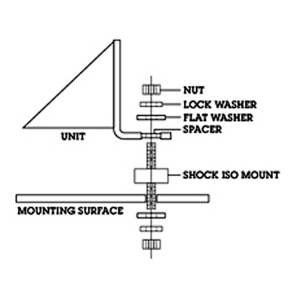
- Review the installation environment and system layout. Marine electrical equipment may be exposed to moisture, vibration, and temperature changes; confirm the selected unit is suitable for its intended onboard location.
A converter can change or stabilize voltage, but a standard converter is not necessarily a substitute for a dedicated battery charger. Dedicated marine chargers use multi-stage charging to maintain batteries; check the product’s intended function before using it for primary battery charging.
Marine Power Supply Brands
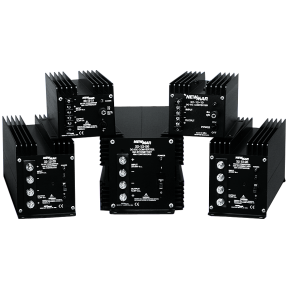
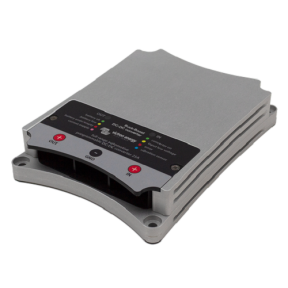
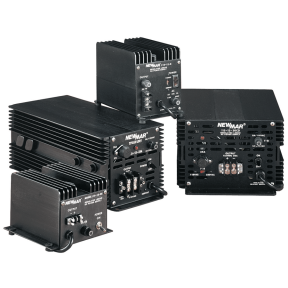
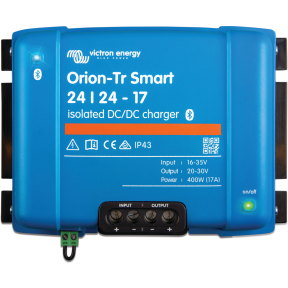
Browse marine power conversion equipment from Victron Energy, Newmar, and Watt & Sea.
Frequently Asked Questions
What type of marine power converter does a boat need?
It depends on the boat’s electrical system and the equipment being powered. AC-DC converters change AC power to DC, while DC-DC converters change or stabilize DC voltage.
How do I choose a shore power converter?
Match the shore power voltage and frequency to the boat’s electrical system, and check that the converter provides the voltage and capacity required by the connected equipment.
What is the difference between an AC-DC converter and a DC-DC converter?
An AC-DC converter changes incoming AC power, such as shore or generator power, to DC. A DC-DC converter changes one DC voltage level to another or stabilizes DC output.
Can a marine voltage converter charge batteries?
Some power supplies can provide a steady output, but a standard converter may not provide the multi-stage charging profile used by dedicated marine battery chargers. Check the unit’s intended use before relying on it for primary battery charging.