
Rope Splicing Tools and Kits
Rope splicing is a skill in marine work, used by sailors since the first boat was launched. A proper splice creates permanent loops or eyes that are strong, clean, and reliable for mooring, anchoring, rigging, deck hardware connections, amd a countless other applications.
At A Glance
- Splicing preserves rope strength better than knots
- Proper tools protect rope fibers and improve consistency
- Different rope types require different fid styles
- Complete kits simplify setup for new and experienced splicers
Achieving consistent results depends on using the right rope splicing tools and kits for the line type and application. Purpose-built tools improve accuracy, reduce damage to fibers, and make splicing faster and more repeatable.
Why Splice Instead of Knot?
Splicing is often preferred over knotting in marine applications because it preserves strength and improves long-term performance. When done correctly, a splice becomes part of the rope rather than a stress point.
- Strength retention: A well-made splice can retain up to 90% of a rope’s original strength, while many knots reduce strength significantly.
- Reduced wear: Splices create smooth, snag-free transitions that are easier on hands, hardware, and surrounding lines.
- Improved handling: Spliced lines run more smoothly through blocks and are easier to coil, stow, and inspect.
Essential Rope Splicing Tools
Different rope constructions—such as three-strand, double braid, and high-modulus fibers—require specific tools. A well-chosen tool set allows you to open strands cleanly, control tension, and finish splices neatly.
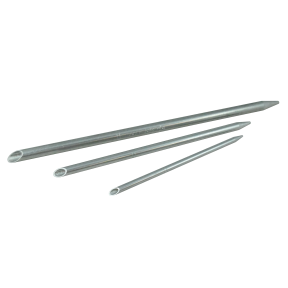
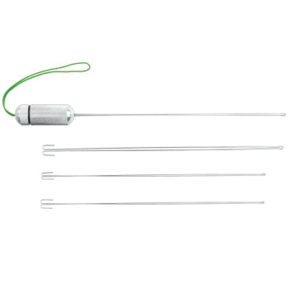
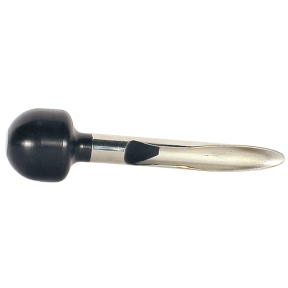
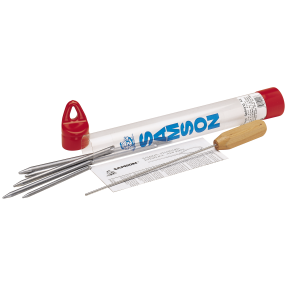
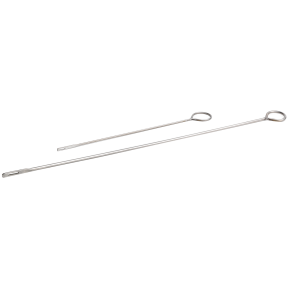
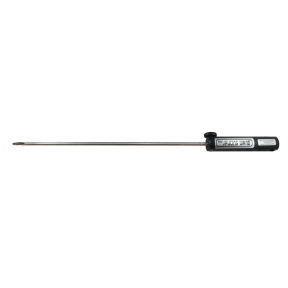
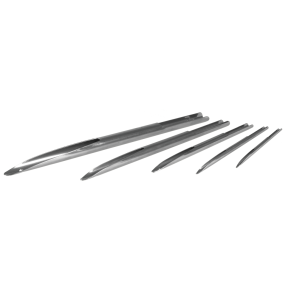
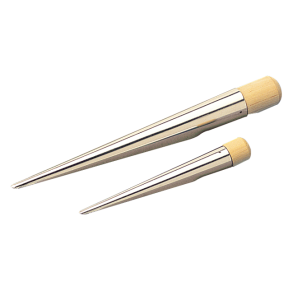
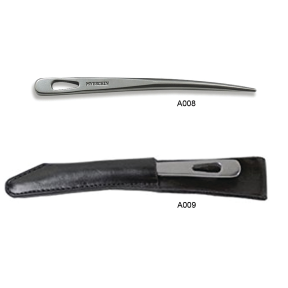
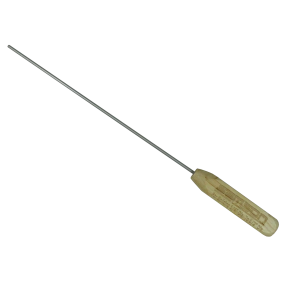
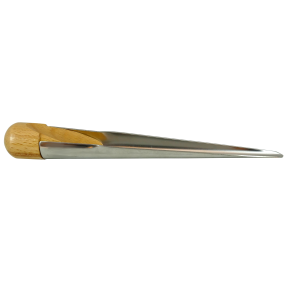
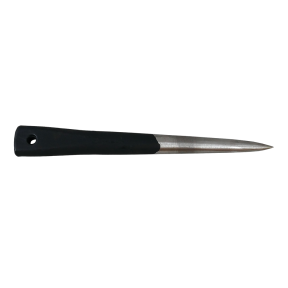
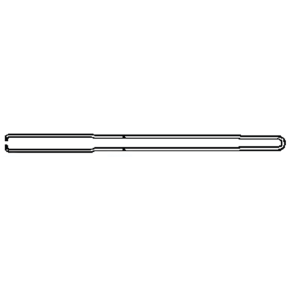
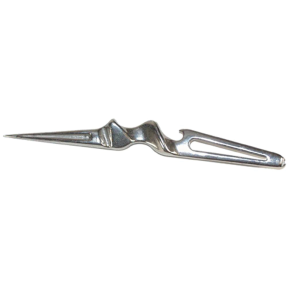
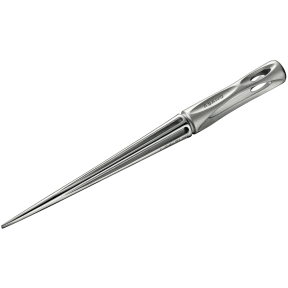
- Rope fids and splicing fids : Used to separate and weave strands. Tubular, Swedish, and fixed fids are matched to rope diameter and construction.
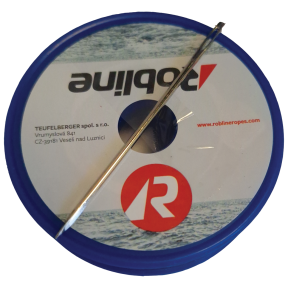
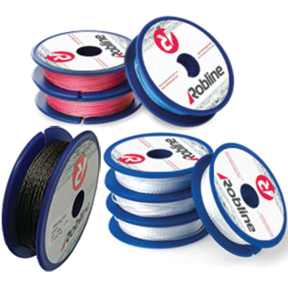
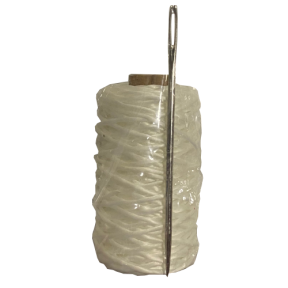
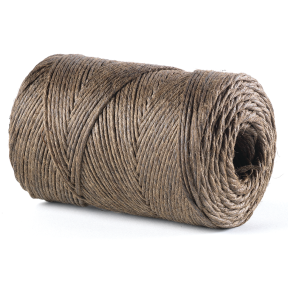
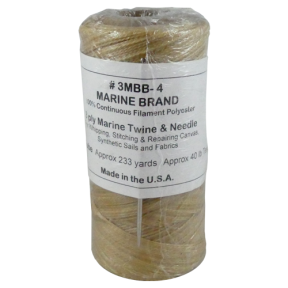
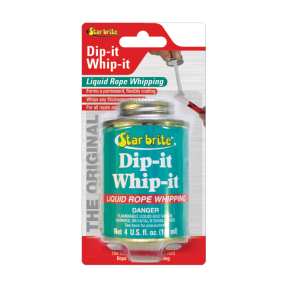
- Sailmaking needles : Essential for stitching, locking stitches, and whipping to secure and finish splices.
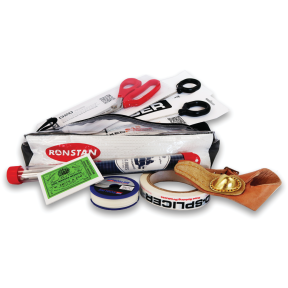
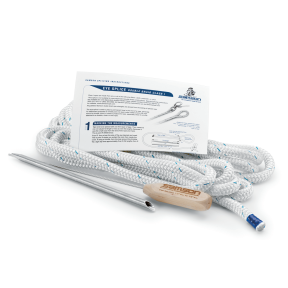
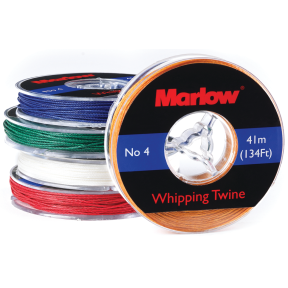
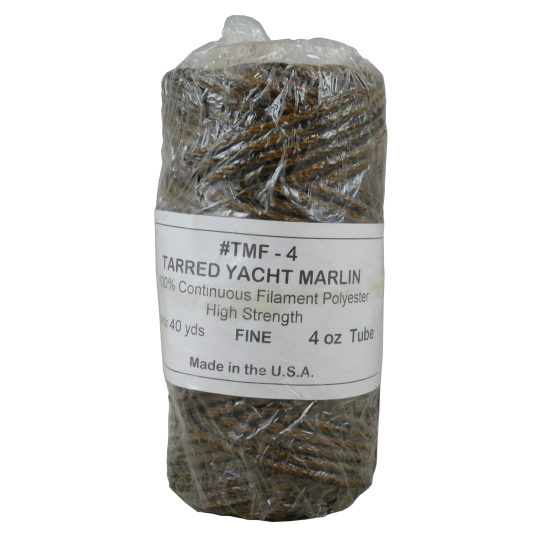
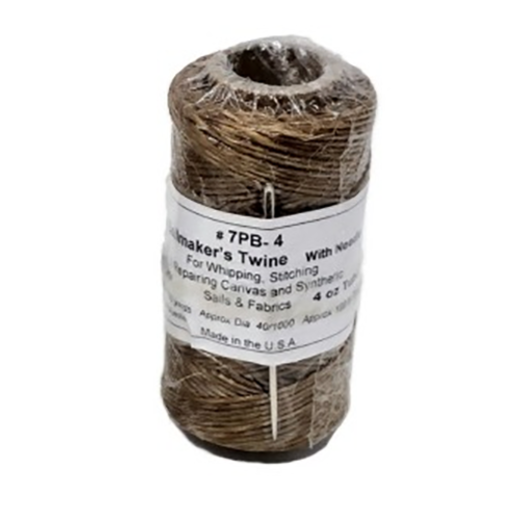
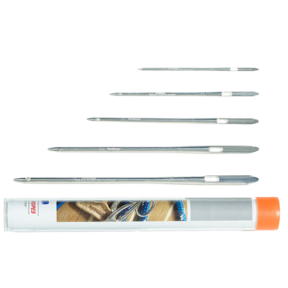
- Rope splicing kits : All-in-one kits typically include fids, needles, scissors, whipping twine, splicing tape, pushers, and pullers.
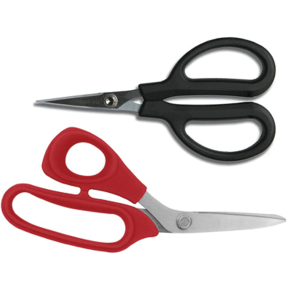
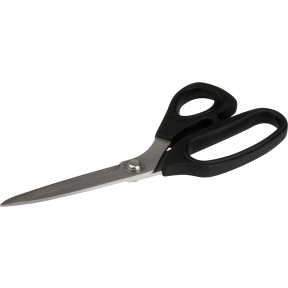
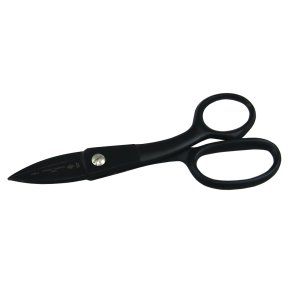
- Specialized splicing scissors : Designed for clean cuts in high-strength fibers such as Dyneema® without crushing or fraying. Often useful beyond splicing, including upholstery work.
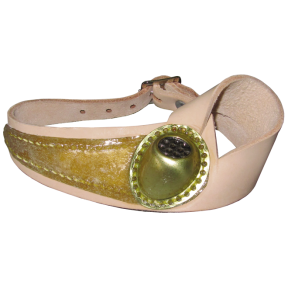
- Sailmaker’s palms : Provide controlled pressure when pushing needles through dense or tightly braided rope.
Choosing the Right Splicing Kit
The best splicing kit depends on your experience level and the types of rope you work with. Matching the kit to the job helps avoid damaged fibers and incomplete splices.
- Beginner kits: Include core tools and basic instructions for common splices.
- Advanced kits: Offer a broader range of fids and accessories for complex or high-load splicing.
- Specialty kits: Designed for specific uses such as dinghy sailing, kiteboarding, or small-diameter synthetic lines.
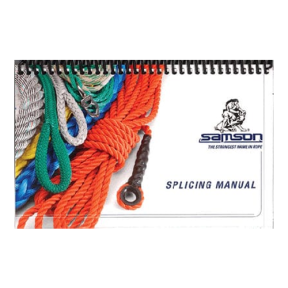
For detailed splicing instructions, please read our articles on creating a 3-strand eye splice or a double braid eye splice.
Frequently Asked Questions
What tools are needed for rope splicing?
Essential tools include fids, needles, pushers, pullers, and sometimes a complete splicing kit, depending on the rope type and splice being performed.
Can one splicing kit work for multiple rope types?
Some kits are designed to work with both three-strand and double-braid ropes, but compatibility should always be confirmed before starting a splice.
Are instructions available for learning rope splicing?
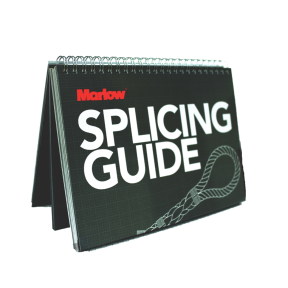
Many manufacturers provide written guides and instructional videos that walk through common splice types step by step.
What is the difference between a fid and a splicing needle?
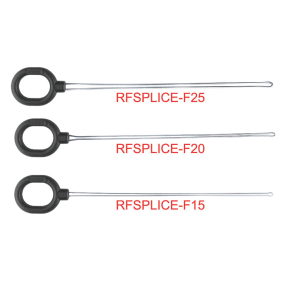
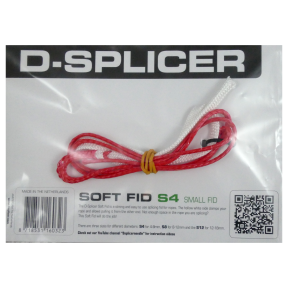
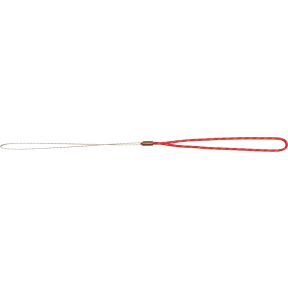
A fid is a traditional, hollow, or tapered tool used to open rope strands or pull a cover through a core, typically used for larger diameters or 3-strand and double-braid ropes. In contrast, splicing needles—such as the D-Splicer or pull-through wands—utilize a wire loop or "pull-action" mechanism. These are essential for modern high-tech synthetics and smaller diameter lines (2mm to 4mm) where a standard fid is too bulky to pass through the tight weave.
What tools are typically included in a complete marine splicing kit?
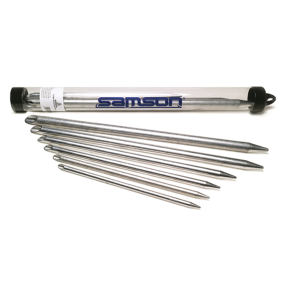
A comprehensive splicing kit generally includes a variety of tubular fids (often ranging from 1/4" to 1/2"), a pusher to help drive the fids through the rope, and sometimes specialized needles or scissors designed for cutting Dyneema. Many kits, such as those from Samson or Ronstan, also include a storage tube and technical instructions to guide you through specific splices like eye splices or end-for-end joins.
Which splicing tools are best for working with high-tech fibers like Dyneema?
For high-tech fibers and modern 12-strand or core-dependent lines, pull-style needles (like the Brion Toss Splicing Wand or D-Splicer) are preferred because they can handle high-tension weaves without snagging. Additionally, because these fibers are exceptionally slippery and tough, using specialized ceramic knives or heavy-duty serrated scissors is recommended to achieve clean, fray-free cuts that won't compromise the splice.
Can I use the same fid for different rope diameters?
No, fids are specifically sized to match the diameter of the rope you are working on. Using a fid that is too large will damage the rope fibers, while one that is too small will not create a large enough opening for the line to pass through. Most manufacturers provide "fid kits" that bundle the most common sizes (such as 1/4", 5/16", 3/8", 7/16", and 1/2") to ensure you have the correct tool for standard running rigging.
Does Fisheries Supply offer professional splicing services if I don’t want to do it myself?
Yes, in addition to selling DIY kits and tools, Fisheries Supply operates a professional rigging shop. They provide custom splicing services for a wide range of needs, including Class I and Class II eye splices, rope-to-chain transitions, and specialized whippings for almost any line type, from standard 3-strand to high-performance double braids and 12-strand Megabraid.