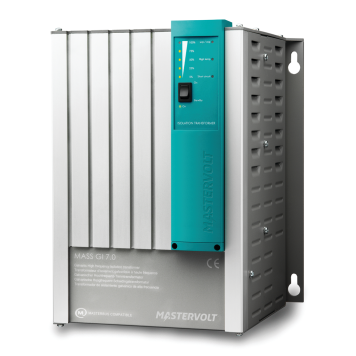

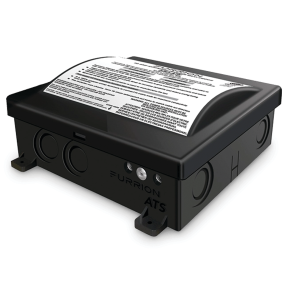
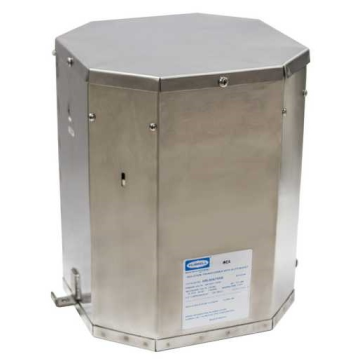
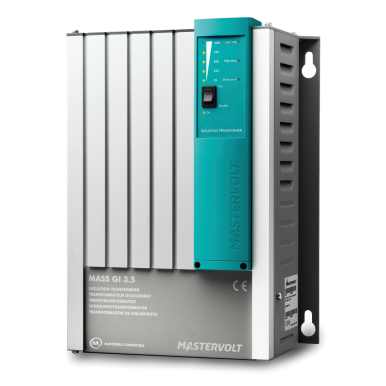
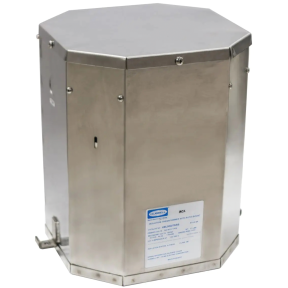
Marine Isolation Transformers and Galvanic Isolators
This category explains essential marine electrical safety equipment for boat owners, marina operators, and marine technicians seeking protection against electrical hazards and galvanic corrosion in saltwater environments.
Key Takeaways
- Dual Protection Strategy: Marine isolation transformers and galvanic isolators address different electrical safety concerns and work best when used together
- Transformer Benefits: Provide voltage spike protection, complete electrical isolation, and stable power delivery through magnetic energy conversion
- Corrosion Prevention: Galvanic isolators block destructive DC currents while maintaining essential AC safety grounding
- Professional Installation: Proper installation in shore power systems ensures optimal protection and regulatory compliance
- Size Selection: Choose 30 amp, 50 amp, 120V, or 240V configurations based on boat electrical requirements
Understanding Marine Isolation Transformers
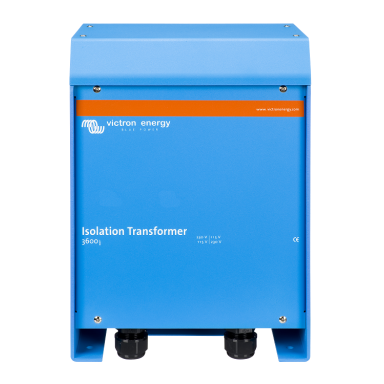
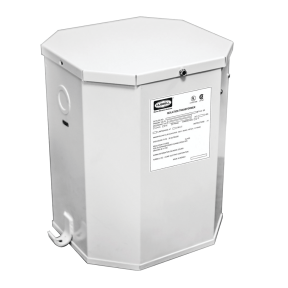
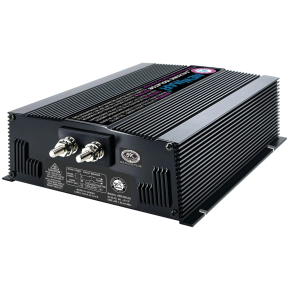
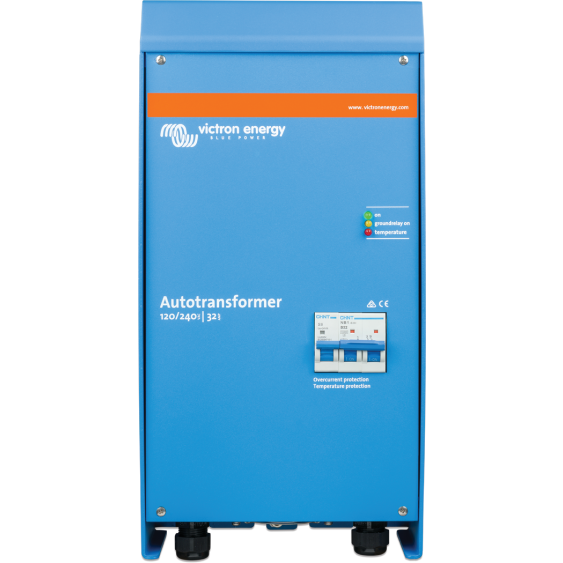
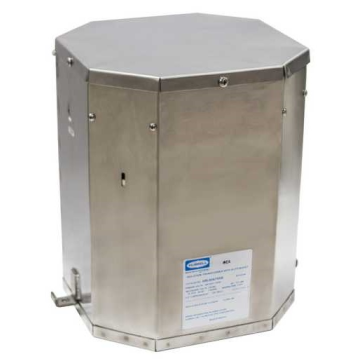
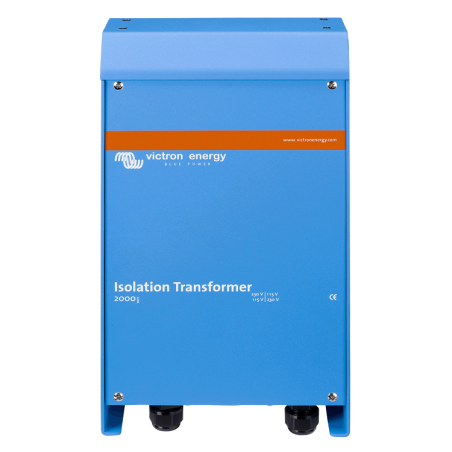
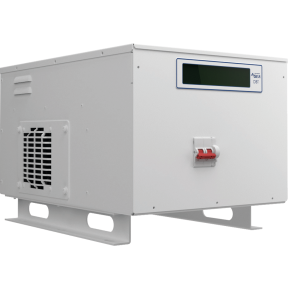
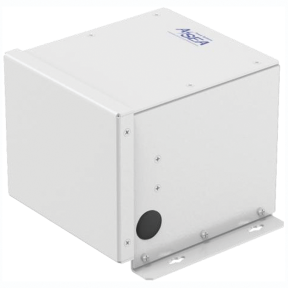
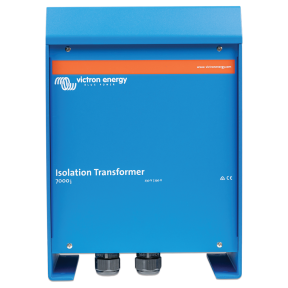
Marine isolation transformers represent the first line of defense in boat electrical safety systems. These specialized devices create complete electrical separation between shore power systems and boat electrical networks, preventing dangerous electrical connections that can cause equipment damage, safety hazards, and accelerated corrosion.
How Marine Isolation Transformers Work
Magnetic Energy Conversion ProcessUnlike direct electrical connections, isolation transformers operate through electromagnetic induction. Shore power enters the primary winding, creates a magnetic field in the transformer core, which then induces electricity in the secondary winding connected to your boat. This process eliminates any direct metallic connection between shore and boat electrical systems.
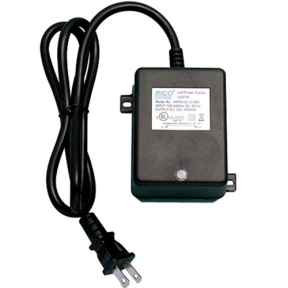
Voltage Spike ProtectionMarina power systems frequently experience voltage fluctuations, surges, and spikes that can damage sensitive marine electronics, battery chargers, and electrical appliances. Marine isolation transformers act as electrical buffers, smoothing these irregularities and providing stable, regulated power to boat systems.
Electrolytic Corrosion PreventionDirect electrical connections between boats and shore power create pathways for stray current corrosion, also known as electrolytic corrosion. This phenomenon causes rapid deterioration of underwater metal components, including propellers, shafts, rudders, and through-hull fittings.
Marine Isolation Transformer Specifications and Applications
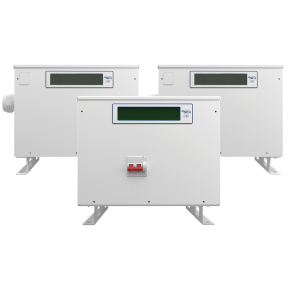
50 amp marine isolation transformers serve as the standard choice for larger recreational boats, commercial fishing boats, and yachts with substantial electrical loads.
These transformers handle power-hungry equipment including:
- Multiple battery chargers and inverters
- Electric cooking appliances and water heaters
- Air conditioning and heating systems
- High-power navigation and communication equipment
Voltage Configuration Options
120V isolation transformers support single-phase electrical systems common in smaller recreational boats. These units provide adequate protection for standard marine electrical loads while maintaining compact size and reasonable cost.
240V isolation transformers accommodate split-phase electrical systems found in larger boats requiring higher power capacity. These configurations support both 120V and 240V loads simultaneously, providing maximum electrical flexibility.
Marine Galvanic Isolators: Advanced Corrosion Protection
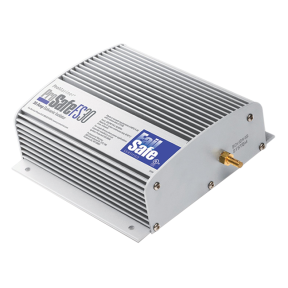
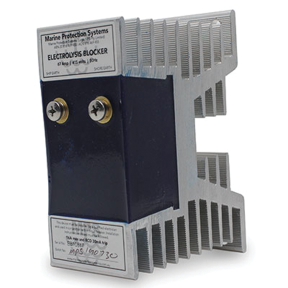
Marine galvanic isolators complement isolation transformers by addressing a specific type of electrical corrosion that occurs even with proper AC isolation. These devices target galvanic corrosion caused by dissimilar metals in saltwater environments.
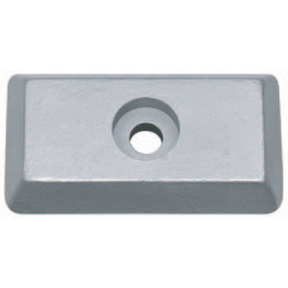
- Galvanic Corrosion: When different metals (such as aluminum, bronze, stainless steel, and zinc) exist in saltwater with electrical connections, they form galvanic cells. The more electronegative metal becomes an anode and corrodes rapidly, while the more electropositive metal becomes a cathode and remains protected. In marina environments, boats can inadvertently become part of large galvanic cells through shared grounding systems.
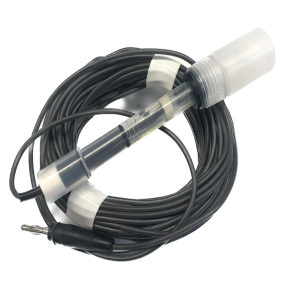
- How Galvanic Isolators Function: DC Current Blocking. Galvanic isolators contain specialized components (typically zinc oxide varistors or silicon diodes) that block low-voltage DC currents while allowing AC safety currents to pass. This selective filtering prevents galvanic current flow while maintaining essential electrical safety grounding.
- Installation in Grounding Systems: Professional installation requires placing the galvanic isolator in the green grounding conductor of the shore power system. This strategic placement creates a small voltage drop (typically 1.4 volts) that effectively isolates the boat's ground from other boats and shore infrastructure.
- Limitations and Considerations: While highly effective, galvanic isolators do not block all DC currents. High-voltage fault currents will overcome the isolator's resistance, ensuring safety ground protection remains intact during electrical emergencies.
Comprehensive Marine Electrical Protection Strategy
Why Combined Protection Matters
Marine electrical experts recommend using both isolation transformers and galvanic isolators for complete boat protection. Each device addresses different aspects of marine electrical safety:
Isolation Transformer Benefits- Complete AC Isolation: Eliminates direct electrical connections between shore and boat
- Voltage Regulation: Provides stable power despite marina electrical fluctuations
- Equipment Protection: Prevents damage from power surges and electrical faults
- Safety Enhancement: Reduces risk of electrical shock and fire hazards
- Targeted Corrosion Prevention: Specifically blocks galvanic DC currents
- Metal Component Protection: Extends life of propellers, through-hulls, and underwater metals
- Cost-Effective Solution: Prevents expensive corrosion damage and component replacement
- Minimal Maintenance: Passive operation with no moving parts or regular servicing required
Professional Installation and Maintenance
Installation Requirements
Both devices require professional installation by certified marine electricians familiar with:
- ABYC Standards: American Boat and Yacht Council electrical safety guidelines
- NFPA 302: National Fire Protection Association marine electrical standards
- Local Marina Requirements: Specific installation and inspection protocols
Maintenance and Inspection
Regular maintenance ensures optimal performance and safety compliance:
- Annual Electrical Inspection: Professional testing of isolation and grounding systems
- Galvanic Isolator Testing: Verification of proper DC blocking and AC continuity
- Connection Inspection: Checking for corrosion, loose connections, and proper grounding
Frequently Asked Questions
What is the difference between a marine isolation transformer and a galvanic isolator?
Marine isolation transformers provide complete electrical isolation from shore power through magnetic energy conversion, preventing voltage spikes and direct electrical connections. Galvanic isolators specifically target DC current corrosion by blocking low-voltage currents in grounding conductors while maintaining AC safety ground continuity.
Do I need both an isolation transformer and galvanic isolator on my boat?
While not technically required, marine electrical experts recommend using both devices for comprehensive protection. Isolation transformers handle AC power isolation and voltage regulation, while galvanic isolators prevent DC galvanic corrosion - addressing different but complementary aspects of marine electrical safety.
What size marine isolation transformer do I need for my boat?
Transformer sizing depends on your boat's total electrical load and shore power connection. Common configurations include 30 amp transformers for smaller boats and 50 amp marine isolation transformers for larger boats with higher power demands. Voltage options include 120V for standard applications and 240V for boats with split-phase electrical systems.
How does galvanic corrosion affect boats at marinas?
Galvanic corrosion occurs when dissimilar metals in saltwater create electrical currents, causing accelerated deterioration of boat components like propellers, through-hulls, and underwater metals. Marina environments with multiple boats sharing electrical grounding can intensify these effects, making protection devices essential.
Can I install marine electrical safety equipment myself?
Marine electrical safety equipment installation requires specialized knowledge of ABYC standards, electrical codes, and safety protocols. Professional installation by certified marine electricians ensures proper operation, regulatory compliance, and insurance coverage. DIY installation may void equipment warranties and create safety hazards.
How often should marine electrical safety equipment be inspected?
Annual professional inspection of marine electrical systems, including isolation transformers and galvanic isolators, ensures optimal performance and safety compliance. Many marine insurance policies require documented electrical inspections, and marina operators may mandate regular electrical safety certifications.
Expert Marine Electrical Solutions
Fisheries Supply serves as your top source for professional-grade marine electrical safety equipment. Our extensive inventory includes 50 amp marine isolation transformers, reliable galvanic isolators, and comprehensive shore power products designed for demanding marine environments.
Our experienced team provides technical support, installation guidance, and product selection assistance to ensure optimal protection.