How a Racor Dual Filter System Saved Our Boat

Key Takeaways: Why a Dual Fuel Filter System Is Essential for Cruising
- Instant Backup Protection: Dual systems feature two parallel filters, allowing you to instantly switch to a clean element via a lever if the active filter gets clogged underway.
- Visual Water Monitoring: Clear bowls at the bottom of the filter assembly make it easy to spot water or sediment contamination and drain it quickly using the built-in valve.
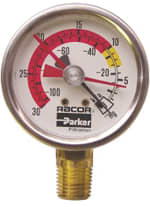
- Early Restriction Warnings: Adding a vacuum gauge (such as the Racor RK19669) helps monitor fuel flow restriction so you can swap or service filters before engine power loss occurs.
- Prevents Near-Disaster Scenarios: Off-shore or rough sea conditions can stir up fuel tank sludge, making immediate switchover capability critical for avoiding groundings or total engine failure in narrow channels when coming back into shore.
- Proactive Maintenance Steps: Keep spare filter elements onboard, inspect bowls regularly for water or microbes, and track vacuum readings to maintain engine reliability.
Introduction
With over 28,000 nautical miles of blue water cruising under my belt, I thought it might be helpful to write about some of the products or systems we've used on Bella Vita - good or bad. "Ocean Tested" is that new series, reviewing products that we have put to the test on the ocean and in hundreds of anchorages around the world.

Understanding the Basics of Racor Dual Fuel Filter Systems
At a basic level, this fuel system uses two Racor fuel filters linked in one filtration system. You can run both together for higher capacity (not needed on our sailboat!), or use one while keeping the second as an immediate backup. That flexibility matters when dirty diesel fuel starts loading one filter faster than expected.
Each side of the assembly has its own filter element, clear bowl, and a small valve to release any water collected at the bottom of the bowl. The valve to switch between filters is large, easy to see, and lets you isolate one filter without complicated manifold plumbing. That makes service faster and lowers the chance of switching errors.
How Dual Filtration Protects Marine Diesel Engines
Marine diesel engines depend on clean fuel, but fuel tanks often collect water, sludge, and debris - which can get tossed around in rough seas. What used to just be sitting at the bottom of the tank is now mixed into the fuel and being delivered straight to the engine. Boats that sit for long periods also face microbial growth and algae growth, especially when condensation builds. A dual fuel filter for diesel systems gives you a better chance of managing those problems before they reach pumps and injectors. One filter can stay online while the other is serviced and a backup side helps if contamination clogs the active element while underway.
That matters because most fuel issues do not start with a complete shutdown. You may first notice surging, lower RPM, or weaker response under load. Dual filtration helps you react early by switching filters instead of hoping one loaded element will keep up long enough to get you to the next anchorage.
Installing a Racor Dual Filter System

If you decide to install this system, measure the area carefully before starting, confirm service clearance above the housing, choose the correct filter element, and plan hose runs with as few bends as possible. The next section covers what to check before and during installation so the setup works properly on a diesel engine.
Important Considerations and Compatibility with Diesel Engines
Not every unit suits every application, so compatibility starts with basics. The Racor dual filter system is for diesel engine use, not for gasoline. You also need to match the setup to the engine’s fuel flow demand, available mounting space, and the correct model type for marine use.
Keep these points in mind during installation:
-
Confirm enough clearance for filter element replacement without having to be a contortionist
-
Match the micron rating to your specific engine and usage
-
Select a model with the correct flow capacity for your engine
Issues During Offshore Cruising and How Filters Help
Offshore trips often stir tanks harder than calm harbor use. That can pull settled contaminants into the fuel system and load a filter element very quickly. Add microbial growth from stored fuel, and a routine run to the next anchorage can turn into surging, low RPM, or complete fuel starvation when you need power most.
A Racor dual filter system with a vacuum gauge helps by giving you options:
-
Switch to the clean side if the active element clogs
-
Inspect bowls for water or debris before the issue grows
-
Use restriction readings to catch rising blockage early
That does not mean you can ignore maintenance. You still need spare elements and regular checks. But the dual arrangement gives you time and control, which is exactly what you need offshore when turning back or drifting is not a good option.
Real Life Example: How the Racor Dual Filter System Saved our Boat
Picture the moment. The boat is entering a narrow pass and current is pushing the boat in the wrong direction, so the diesel engine needs to answer the throttle without hesitation. In places like this, engine reliability is not just a convenience - it's a safety issue.

We had gone about 1/3rd of the way through the pass when our engine started to bog down, then suddenly cut out. We both looked at each other in a panic and Brett quickly dove down the companion way to figure out what was wrong, while I used our forward thrust to keep us in the center of the pass. Time ticked by in slow motion but our momentum was falling fast – I was losing steerage and we were literally seconds from going aground on the edge of the reef. Suddenly Brett yelled to fire up the engine again and BOOM – we were back in action just in the nick of time! The whole ordeal only lasted about 90 seconds, but it felt like a lifetime.
As you probably guessed – our fuel filter had become clogged, causing the engine to die. But because we had the Racor dual filter system in place, Brett could quickly turn the handle to put the new filter into service, re-prime the fuel with our fuel pump (also an excellent product to have) and we were back up and running almost immediately. The whole system paid for itself 10-fold in less than 2 minutes.
With a single filter, that experience would have become a devastating day. Instead, the dual filtration system gave us a second path. That is the real value of Racor dual filter system in demanding conditions like these. The system bought us time, preserved control, and likely prevented a grounding in a place where steering and power mattered. For any cruising boat, that is not a small benefit - it is the difference between disaster and safe passage.
Maintaining Your Racor Fuel Water Separator System
A dual system works best when you treat it as a monitored part of the boat, not a hidden component. So remember to check the bowl, watch for restriction on the gauge readings, and keep the right filter elements onboard for quick replacement. Those small habits will protect your engine's performance and reduce surprise shutdowns.
Routine Checks, Replacements, and Troubleshooting
Start with simple visual checks. Look at each bowl for water or debris, confirm the valve position, and make sure fittings stay dry. If your setup has a vacuum gauge, I recommend you log readings at idle and normal cruising speed. Doing so gives you a nice baseline and makes troubleshooting much faster when something feels or sounds different.
Practical maintenance routine includes:
-
Inspect the bowl and any drain water you see
-
Check the vacuum gauge for rising restriction
-
Keep notes on restriction trends instead of guessing
-
Carry the correct replacement elements onboard for quick replacement
-
Proactively replace the filter element when readings or symptoms start showing loading

Be thoughtful with lower micron ratings too. Finer filtration can be useful, but it must match the application and fuel condition. Preventative maintenance is really about using the system’s built-in feedback. When you respond early to contamination or water, you protect both filter life and engine performance.
Frequently Asked Questions
How do I choose the right Racor dual filter system for my fuel capacity?
Match the fuel system to your engine’s required fuel flow, available space, and service access. Then choose the correct filter element and micron rating for your application. Adding a vacuum gauge is a big plus because it helps you track restriction and service the filters based on actual condition.
Are Racor dual filter systems compatible with all diesel engines?
They are designed for diesel engine use, but compatibility depends on model type, flow needs, and installation space. For boats, choose marine-rated Racor fuel filters rather than industrial versions.
What signs indicate it’s time to service or replace a Racor filter?
Watch for rising vacuum gauge readings, weaker fuel flow, surging under load, lower RPM, or visible water and contaminants in the bowl. Those signs usually mean the filter element is loading up. Timely replacement is much better than waiting for a full loss of power underway.
Conclusion

We hope you've enjoyed the first article in our new "Ocean Tested" series, but if you have additional questions or need more information, please don't hesitate to give our knowledgeable staff a call at (800) 426-6930.