Used Boat Owners: Bring Your Boat to Like-New Condition.
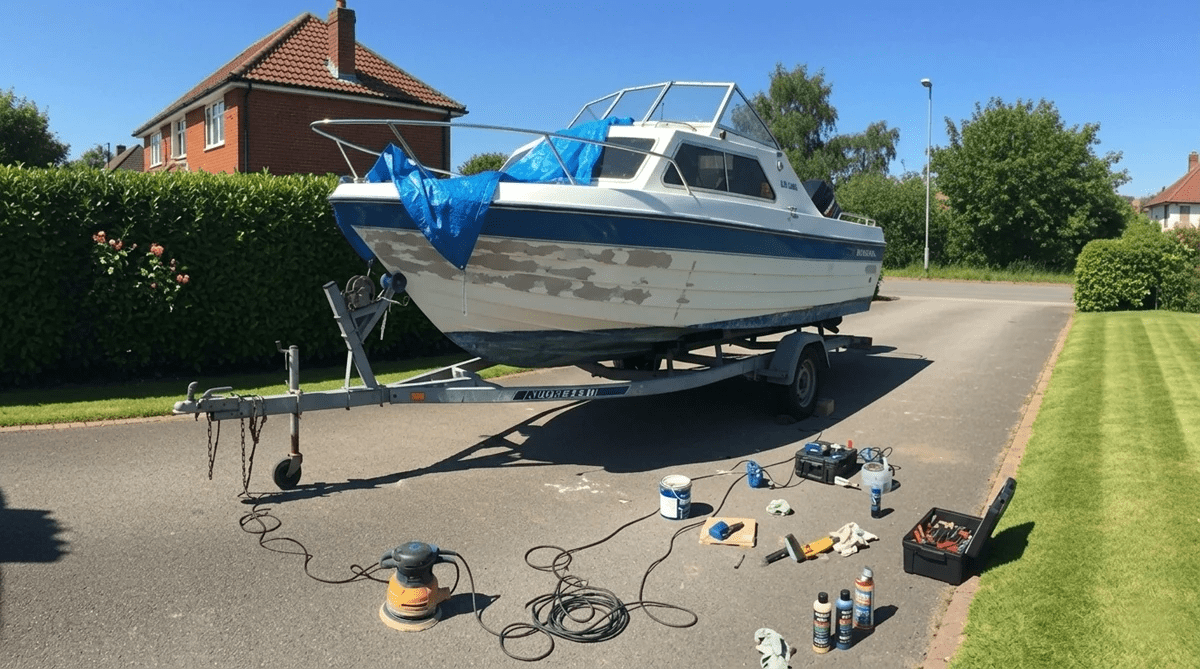
A Boater's Best Day..
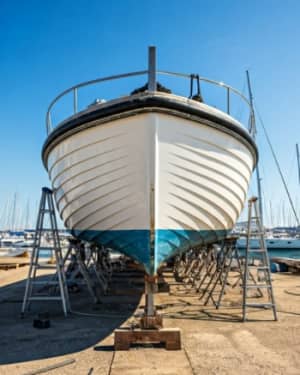
You've finally taken the plunge and achieved a longtime dream—you bought a used boat. Congratulations!
We assume you had the boat surveyed before your purchase and that the surveyor provided you with an extensive list
of items that “must” or “should be” addressed. These recommendations are important to tackle, and you'll find several helpful articles online about interpreting and acting on boat survey results. We're also assuming that before finalizing
your purchase, you likely took the boat out for a sea trial (to see how she performs on the water) and hopefully you've used all of this information to negotiate a fair purchase price.
Now you're a proud boat owner! Bravo! However, even a used boat in excellent condition will need some tender loving care, which is exactly what this article will help you navigate, so let's dive into all the options.
If you purchased a wooden boat, you have our deepest respect—and sympathy. The list below still applies, but your maintenance to-do list extends well beyond what we can cover in this article.
Key Takeaways: Break Down The Tasks
If you bought a fiberglass, steel, or aluminum boat, here's what lies ahead for you:
| Safety and Regulatory Equipment | Electrical and Mechanical Systems | Upgrades and Essential Equipment | Comfort and Convenience | Regular Maintenance Tasks | Tools and Spare Parts |
|---|---|---|---|---|---|
| Life jackets / personal flotation devices (PFDs) | Battery inspection and replacement | Upgrading hatches | Outdoor furniture or seating upgrades | Cleaning deck and topsides (possibly new paint) | Spare propeller |
| Fire extinguishers | Charger and electrical wiring | Marine stoves, fridges, and other galley equipment | Bimini top or canvas covers | Waxing, polishing, and UV protection | Ratchet set and wrenches |
| Visual distress signals (flares) | Fuses and electrical panel check | Upgrading winches (sailboats) | Sound system/speakers | Checking seacocks and stuffing boxes for leaks/free movement | Tool box |
| Sound-making devices (horn, whistle) | Bilge pumps and float switches | Upgrading standing/running rigging (sailboats) | Portable coolers | Inspecting steering systems | Emergency repair kit |
| Throwable flotation device | Navigation systems (GPS, compass) | Fish finder or depth sounder | Sunblock and bug spray | Lubricating fittings and hardware | Spare fuses and bulbs |
| Navigation lights | Engine and outboard inspection | Replacing or installing LED lighting | Waterproof storage solutions | Check for rust/tightness on all hose clamps | Waterproof flashlight |
| First aid kit | Oil and fluids change | Marine plumbing (toilet, holding tanks) | Deck pads or non-skid surfaces | Check bottom paint for wear | |
| Emergency signaling devices | Propeller check for growth or loose blades (folding props) | Anchor and anchor rode/chain | Watermaker | Annual windlass maintenance | |
| Marine radios (VHF) | Fuel system check (lines, filters, tanks) | Fenders and dock lines | Air conditioner | Check engine coolant (full) | |
| Copy of the book “Navigation Rules” (required by USCG to have one copy onboard) | Water pump impeller and anodes. Replace as needed | Check that navigation lights are working |
What Did I Get Myself Into?
At first glance, that list (and it's only a partial list) can seem overwhelming. The key to not getting discouraged and running away screaming is to break down these tasks into manageable pieces. Chances are you'll own your boat for several years, so you need to develop a realistic list of priorities. Your first year will likely be the costliest because of the must-have items, but after that, you can tackle the upgrades for those "would-be-nice-to-have" items as your time and budget allow.
Your first must-haves are straightforward: a reliable engine (including batteries and all electrical components related to said engine), proper steering (and rigging for sailboats), and essential safety equipment. Everything else can wait until you've addressed these critical systems. When you're ready to source parts and equipment, Fisheries Supply carries an extensive inventory of engine parts & accessories, steering systems, and both running rigging and standing rigging for sailboats.
Electrical System Overhaul and Battery Upgrades
A thorough evaluation of the electrical system is crucial for optimal boat performance. Begin by assessing the condition of the batteries and wiring to make sure they meet modern safety standards. Start by checking battery health hand the batteries ability to hold a charge; look for signs of corrosion, swelling, or leakage that could indicate the need for replacement. Also make sure you fully understand the difference between a start battery and the house battery bank and how any switches work within that system.
Upgrading to energy-efficient smart batteries could be a worthwhile project – so you might want to read our articles on the Power of Lithium Batteries and Marine Battery Basics. Assess the wiring for any fraying or brittle areas that may pose a risk – especially on any battery cables. Upgrading to marine-grade wiring can enhance safety and performance.
Upgrading Safety Equipment to Modern Standards
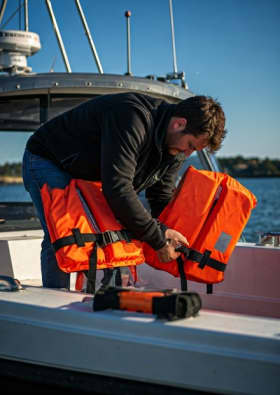
It’s really important to take some time when selecting a life jacket – you want one that fits snugly and meets modern safety standards while still allowing enough freedom of movement. Some of the newer inflatable life jackets are so comfortable to wear that you forget you have them on – and remember that the only life jacket that will save your life in an emergency is the one you are wearing! For more information, check out our article on Inspecting Your Inflatable PFD.
Additionally, equipping the boat with a reliable marine radio (VHF) fosters effective communication during emergencies. It is paramount to regularly review and upgrade these safety essentials, as they can make a decisive difference in critical situations, ultimately leading to a much safer boating experience.
Choosing Fire Extinguishers, Flares, and First Aid Supplies
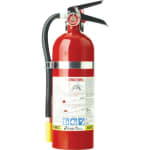
Recreational boats over 16 feet in length are required to carry flares and it’s important to know how to use them – so if you’re not familiar, check out our article on Flare Usage and Safety Instructions for Boaters.
Obviously, if your "new to you" boat came with flares, make sure that they are up-to-date, as expired ones can compromise your safety.
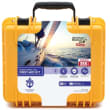
First aid supplies should be comprehensive, including bandages, antiseptics, and specific items designed for maritime emergencies. This proactive approach not only aligns with modern safety standards but enhances your preparedness for unforeseen situations on the water.
Upgrade your anchor and plumbing
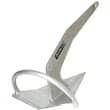
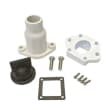
When you purchase a daysailer, weekender, coastal or offshore cruiser, the boat typically comes equipped with basic essentials from the previous owner: an anchor, a marine head (toilet), and the necessary plumbing systems. Depending on your boat's age and history, those items may have replaced or upgraded. However, in either case, it doesn't mean they are in working order.
Refurbishing Key Interior Components
Now we're getting to the "would-be-nice-to-have" part of this article. Refurbishing key interior components breathes new life into your used boat. There’s nothing worse than getting dowsed with water during your first big rainstorm – so make sure that all the ports and hatches are fully waterproof and repair or replace them if needed.
Modern materials can enhance durability and aesthetics, making your vessel more inviting. Upgrade the galley with a new marine stove, refrigerator, and freezer that meet today’s energy standards. This not only boosts efficiency but may also be less of a drain on your house battery bank, making trips a more enjoyable experience for you and your guests.
Adding Energy-Efficient Lighting and Modern Electronics
Upgrading to energy-efficient lighting not only reduces power consumption but enhances your boat's overall ambiance. Consider installing LED lights (including navigation lights), which offer longevity and brightness while minimizing energy draw. Integrating modern electronics can enhance navigation safety and communication capabilities. These advancements not only maximize functionality but also ensure compliance with contemporary safety standards, providing peace of mind. For more information, please read our article on navigation lights
When it comes to modern electronics, it's easy to go overboard. Make sure you begin with what is essential to your needs. A fishfinder is a good option if you plan to use your boat for fishing. Wind instruments for sailboats, etc. You can always add the bells and whistles later. Fisheries Supply stocks an extensive selection of marine electronics
Is It All Worth It?
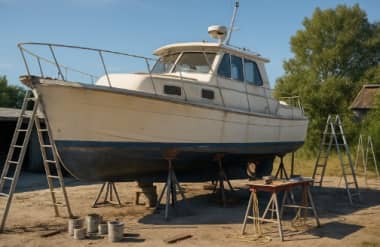
With diligence and careful planning, transforming a used boat into a well-equipped, enjoyable boating experience is absolutely within reach. The key is viewing restoration not as a burden, but as an investment in countless future memories on the water. Additionally, the skills you develop during restoration pay dividends for a lifetime. You'll gain a deep understanding of your boat's systems, making future maintenance easier and less expensive. Plus, you'll have the confidence to handle minor issues that arise during your adventures (and they will).
Remember: every challenge overcome during restoration becomes a story worth telling, and every upgrade completed brings you closer to the boat of your dreams. The journey may demand resources and effort, but the reward—a vessel that's truly yours in every sense—makes it all worthwhile. Ready to start your restoration journey?
Frequently Asked Questions
What should I inspect first after buying a used boat?
Start with a hull integrity check (professional survey), engine performance test, fuel system inspection, and basic electrical systems. Safety gear and flotation devices should also be verified immediately.
What engine maintenance is recommended after buying a used boat?
Change the engine oil and filters, inspect the spark plugs (if not a diesel engine), check the fuel lines, and replace the water pump impeller if the service history is unknown. If you are new to marine engines, several classes are available online as well as informative YouTube videos.
Should I worry about musky odors in a used boat?
A musky or musty odor in a used boat is common but shouldn’t be ignored, as it often signals hidden moisture problems like mold, mildew, or leaks—issues that can lead to health concerns and costly damage if left unaddressed. Such smells may be caused by poor ventilation, damp bilges, or old plumbing, so it’s essential to inspect the boat thoroughly, review its maintenance history, and address any moisture or mold issues right away. Please read our article on Kanberra products to treat boat odors.
How can I improve comfort in a used boat without major renovation?
Add seat cushions or colorful pillows, bimini tops, non-skid mats, a cooler instead of a fridge, and waterproof storage. Minor upgrades can dramatically improve onboard comfort without breaking the bank.

Refit Project Support When You Need It
Tackling a used boat refit can feel daunting, especially when you're trying to match new components with existing systems or troubleshoot compatibility issues. That's where our
experienced customer representatives really can help. Give us a call at 206-632-4462 – our team understands that refit projects rarely follow normal business hours, and we're committed to providing the guidance you need to make smart
decisions for your boat project.