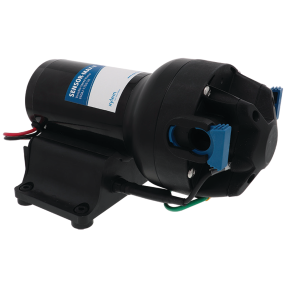
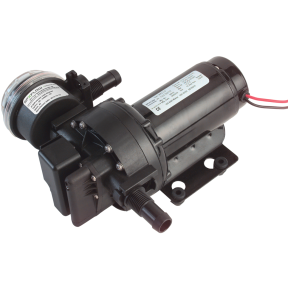
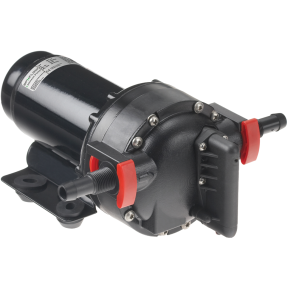
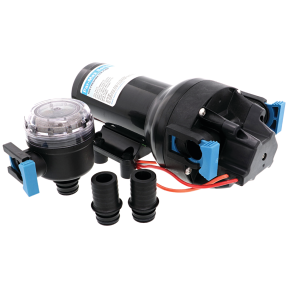
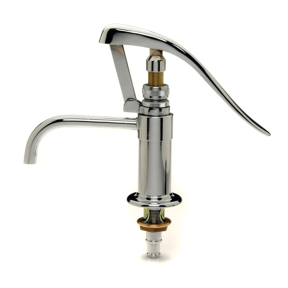
Keep the water flowing with top marine water pumps from Fisheries Supply
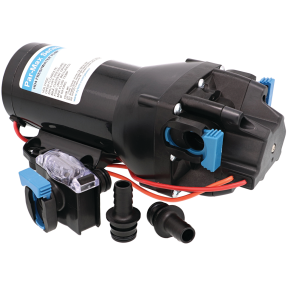
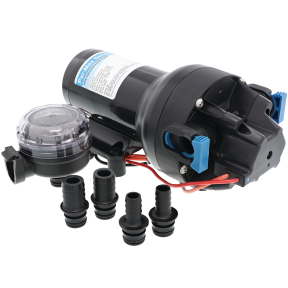
Fisheries Supply stocks a wide range of marine freshwater pumps for showers, sinks, and galley systems—from trusted brands like Jabsco and Johnson Pump.
Key Takeaways
- Match flow rate (GPM) and pressure (PSI) to fixture count and hose size.
- Add a pressure accumulator tank to reduce pump cycling and noise.
- Use proper potable water hose and a strainer to protect the pump.
- Most DC pumps are 12 VDC; verify current draw (amps) and wiring.
- Plan maintenance: sanitize tanks, check screens, and keep a spares kit onboard.
Browse Marine Freshwater Pumps
Choose from field-proven pump types and matching parts.
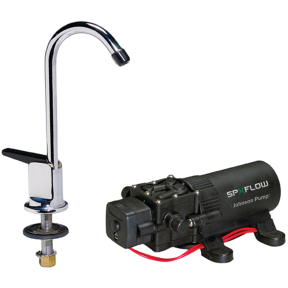
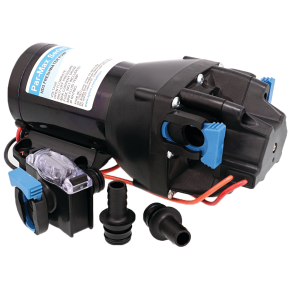
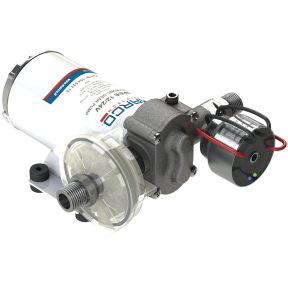
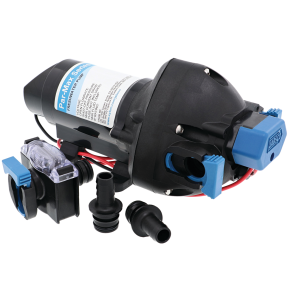
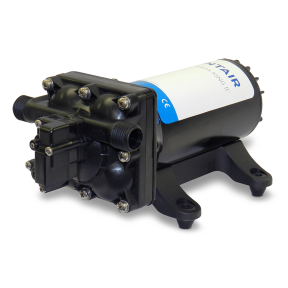
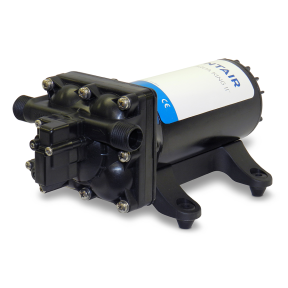
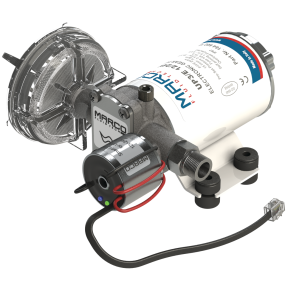
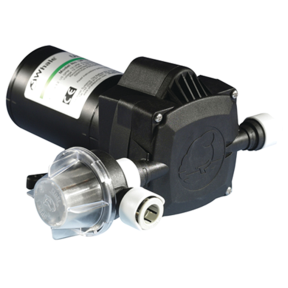
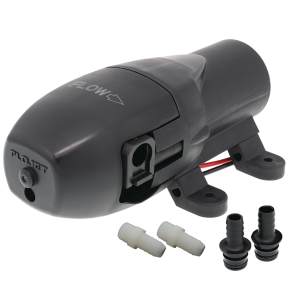
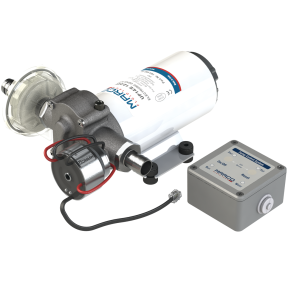
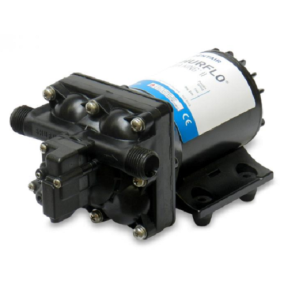
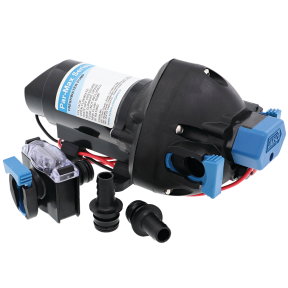
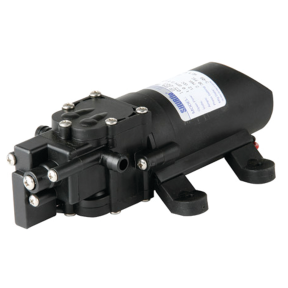
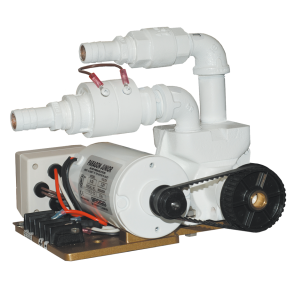
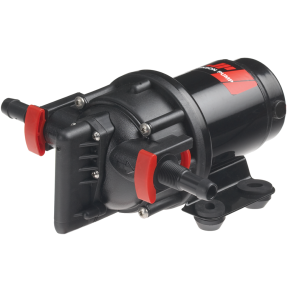
- Electric Pressure Pumps. Self-priming diaphragm or centrifugal models provide on-demand pressure for faucets, showers, and appliances.
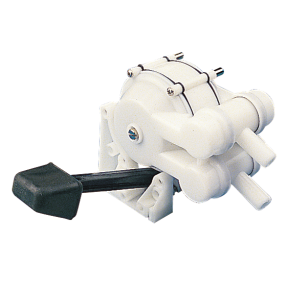
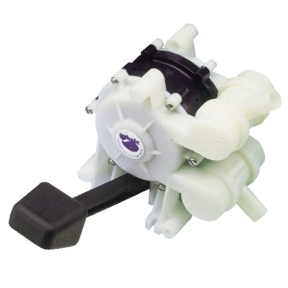
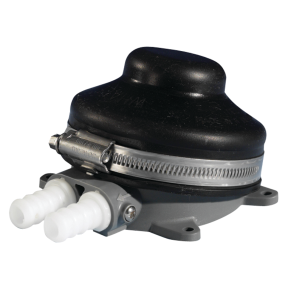
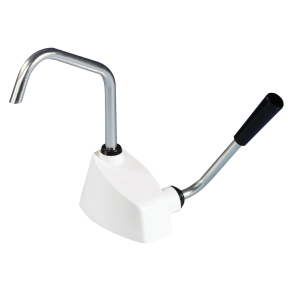
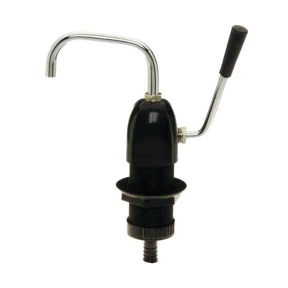
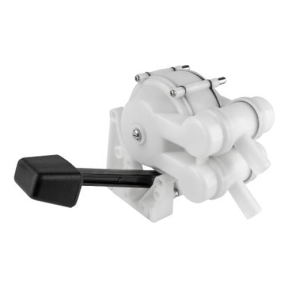
- Manual Foot Pumps. Simple, power-free water delivery for heads or galleys and as reliable backups to electric systems.
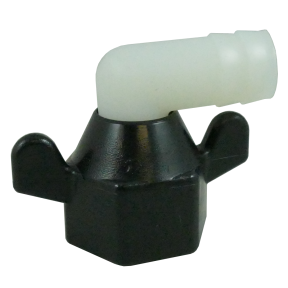
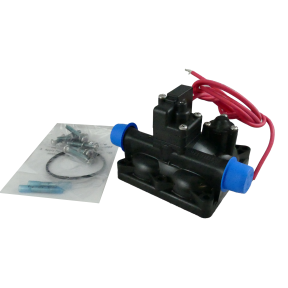
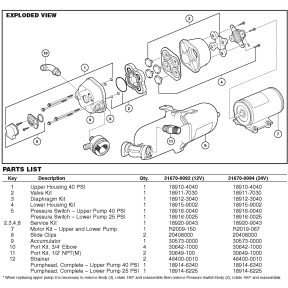
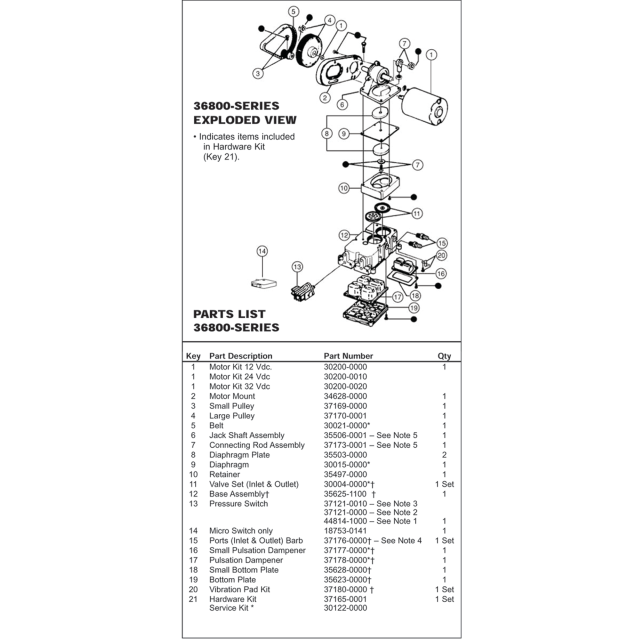
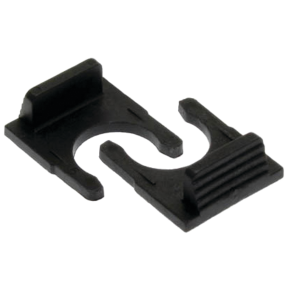
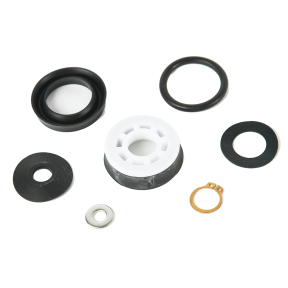
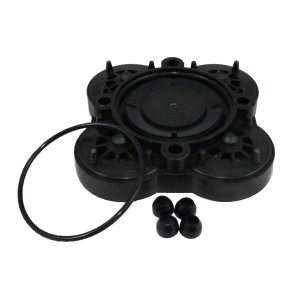
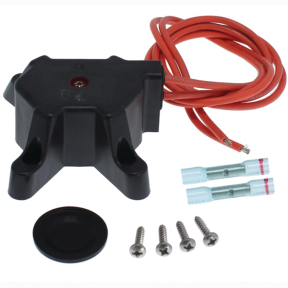
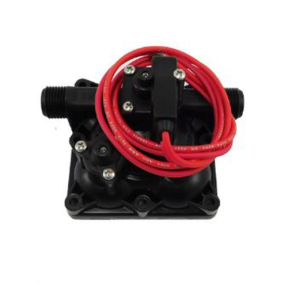
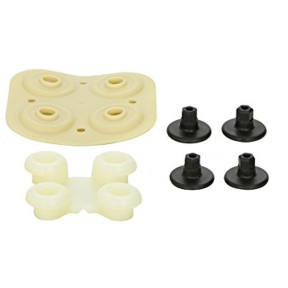
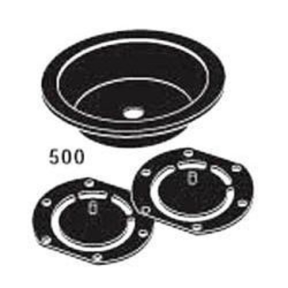
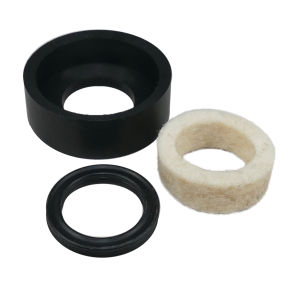
- Replacement Parts & Kits. Service diaphragms, pressure switches, valves, and seal kits to keep popular models running.
How to Choose the Right Pump
- Size for Flow & Pressure
- Flow rate (GPM/LPM). Small weekenders: ~1–3 GPM. Cruisers with showers: 3–5 GPM. Larger boats or multiple simultaneous users: up to 6+ GPM.
- Pressure (PSI/bar). Typical setpoints: 30–50 PSI (2–3.5 bar). Match fixtures and hose ratings.
- Match Power & Electrical
- Voltage. Most systems use 12/24 VDC; verify boat supply.
- Amperage. Check running and surge draw; size wiring and overcurrent protection per manufacturer guidance.
- Plumbing Interfaces
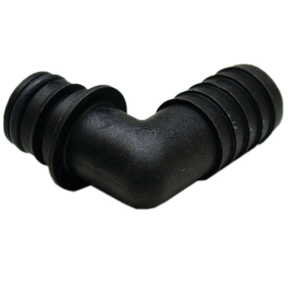
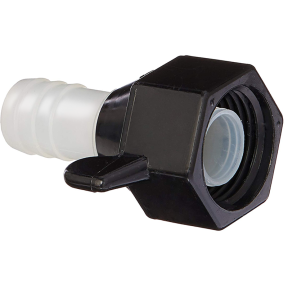
- Inlet/Outlet Size. Freshwater pumps commonly use 1/2–3/4 in. hose barbs or threaded ports (NPT/BSP).
- Strainer. Install a fine inline inlet strainer to prevent debris damage and pressure-switch chatter.
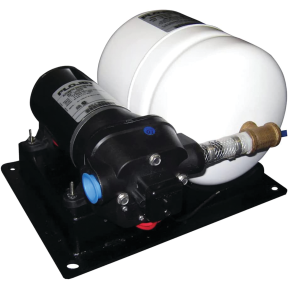
- Accumulator. A small accumulator tank smooths flow, reduces cycling, and lowers noise.
- Materials & Water Quality
- Potable-safe materials. Use components suitable for drinking water (e.g., nylon, EPDM, 316 stainless where specified).
- Sanitation. Periodically sanitize tanks and lines; replace filters per guidance.
Shop with Confidence
Our technical team can help you compare models and select parts for freshwater system upgrades or repairs. Explore accessories such as water system accessories.
Frequently Asked Questions
What does a freshwater pump do on a boat?
It supplies pressurized potable water from the tank to fixtures—sinks, showers, heads, and appliances—maintaining steady flow via an internal pressure switch and check valves.
How can I tell if my water pump is the issue?
Check tank level and inlet strainer first. If the motor runs but no flow, look for air leaks or a clogged strainer. If the pump won’t start, test fuse/breaker, wiring, and the pressure switch per the manufacturer’s troubleshooting chart.
How long do marine freshwater pumps last?
Service life varies with run time and water quality. With proper filtration, periodic sanitizing, and timely diaphragm/valve service, quality pumps often deliver many years of use.
Do I need an accumulator tank?
Recommended for most systems. It reduces rapid cycling at low flows, smooths pressure, and can extend switch and diaphragm life.
What maintenance should I plan for?
Clean strainers, inspect hoses/clamps, winterize before freezing conditions, and follow the brand’s service intervals for valves, diaphragms, and switches.