R&D Drivetrain Damper Drive Plates at Fisheries Supply
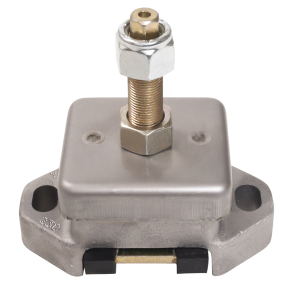
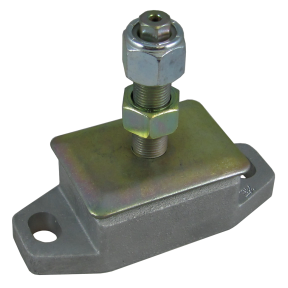
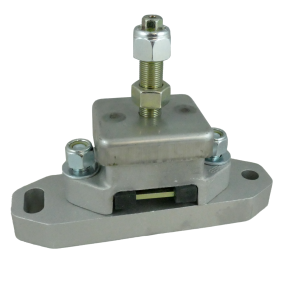
R&D Drivetrain is a leading manufacturer of marine engine parts and accessories, including flexible shaft couplings, engine mounts, split shaft couplings, and damper plates. These products are designed to reduce vibration and noise, protect the drivetrain, and ensure the smooth operation of marine engines.What are Damper Drive Plates?
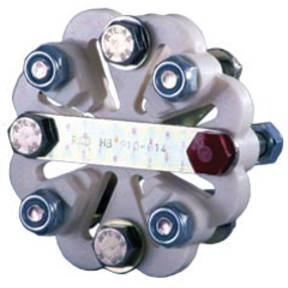
Damper drive plates, also known as damper plates or drive plates, are an essential component of marine engines. Damper drive plates are designed to prevent gearbox rattle, protect the drivetrain, reduce noise, and ensure the smooth operation of marine engines. Damper plates are typically made of a flexible polyurethane element, which is stiff enough to transmit engine power while remaining flexible enough to isolate vibration.Types of Damper Drive Plates
R and D Drivetrain drive plate offers three types of damper drive plates for different applications:- Linear Elements: These are designed for general applications and provide a linear dampening of the torque applied to the system with up to a 3-degree deflection of the element.
- Hammer Head Elements: These are designed for general use where motoring at low RPMs is common and provide a two-stage dampening of the torque with up to a 9-degree deflection of the element.
- High Deflection Elements: These have a softer element designed for use in vessels where low RPM engine use is the norm, as in work boats or pleasure boats. They give three distinct stages of dampening with up to a 30-degree deflection of the element.
Selection of Damper Drive Plates
The selection of damper drive plates is a complex process that requires knowledge. To choose the right damper plate, consider the following factors:- Engine Specifications: The manufacturer of the engine, maximum horsepower, maximum engine RPM, and number of cylinders are essential factors in selecting the right damper plate.
- Gearbox Specifications: The manufacturer of the gearbox, model number, gear reduction, and input spline details are crucial for choosing the appropriate damper plate.
- Back Plate Specifications: The outside diameter of the back plate, number of fastener holes, diameter of holes, and pitch circle diameter of holes are essential for selecting the correct damper plate.
Benefits of R&D Drivetrain Damper Drive Plates
R&D Drivetrain's damper drive plates offer several benefits, including:- Reduced Gear Noise: By preventing gearbox rattle at low engine speeds, these plates allow an engine to operate through its entire RPM range without causing gear noise.
- Protection of Drivetrain: Damper drive plates help protect the drivetrain by reducing gear wear and damage caused by gear chatter or rattle at low RPMs.
- Fail-Safe Design: The plates are designed to fail in a safe mode, ensuring that the boat can continue to function even if the flexible element fails. This fail safe damper plates feature is reassuring.
- No Springs to Rust or Fret: Unlike traditional spring-type dampers, R&D Drivetrain's damper plates do not require springs, which can rust over time.
Frequently Asked Questions
What is the primary purpose of an R&D Drivetrain damper drive plate?
Damper drive plates are essential marine engine components designed to prevent gearbox rattle, reduce noise, and protect the drivetrain from vibration. They utilize a flexible polyurethane element that is stiff enough to transmit power while remaining flexible enough to isolate engine vibrations.
Which damper plate is best for a boat that often operates at low RPMs?
For vessels where low RPM use is the norm, such as work boats or pleasure boats, High Deflection Elements are recommended. These plates feature a softer element providing three distinct stages of dampening and up to a 30-degree deflection. Alternatively, Hammer Head Elements offer two-stage dampening for general use where low RPM motoring is common.
How do I choose the correct damper drive plate for my marine engine?
Selection requires specific details including engine specifications (horsepower, max RPM, and cylinder count), gearbox specifications (model number, gear reduction, and input spline details), and back plate specifications (outside diameter, and the number and pitch circle diameter of fastener holes).
Are R&D Drivetrain damper plates prone to rusting like traditional spring-type dampers?
No, R&D Drivetrain damper plates do not require traditional metal springs. Because they utilize polyurethane elements instead of springs, there are no components to rust or fret over time.
What happens if the flexible element in the damper plate fails while I am on the water?
These plates are engineered with a fail-safe design. This ensures that even if the flexible element fails, the boat can continue to function, providing an added layer of safety and reassurance for mariners.