Sailboat Winches at Fisheries Supply
Sailboat winches are a core piece of deck hardware, used to control sails, manage sheets, and safely handle heavy loads under tension. Whether trimming a genoa or hoisting a halyard, the right winch improves efficiency and reduces physical strain.
Key Takeaways
- Manual and electric options serve different boat sizes and crew needs.
- Proper maintenance extends winch life and reliability.
- Correct winch sizing improves performance.
Fisheries Supply carries a broad range of manual and electric sailing winches built for long-term use in demanding marine environments. Our inventory includes proven manufacturers such as Lewmar, Harken, and Andersen, all recognized for reliable performance and durable construction.
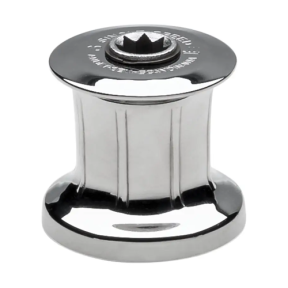
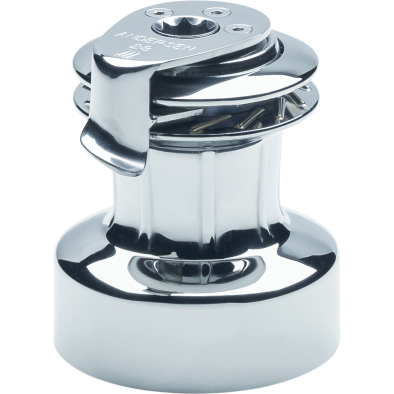
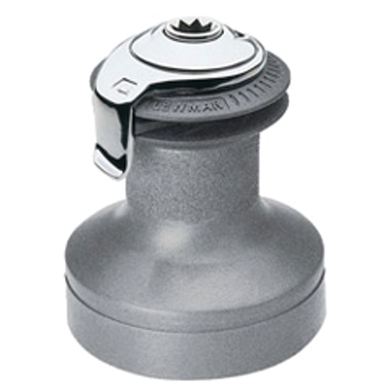
Manual Sailing Winches
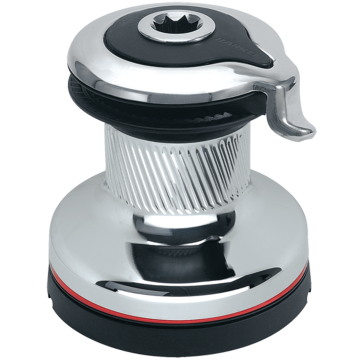
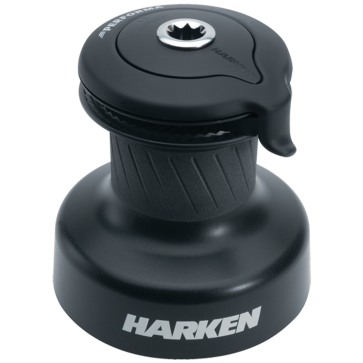
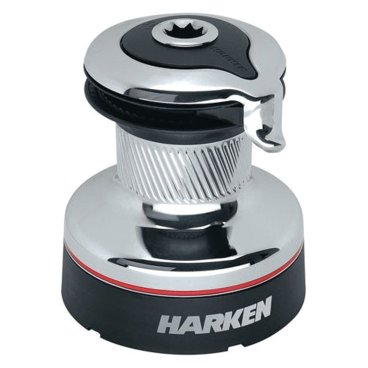
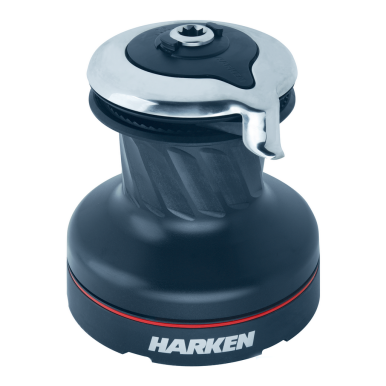
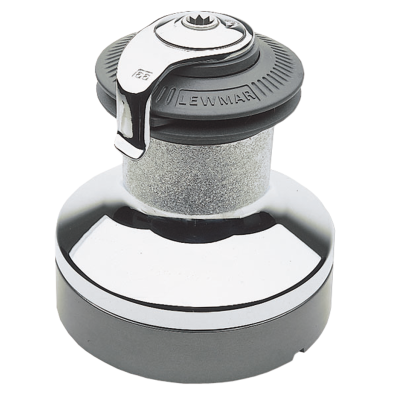
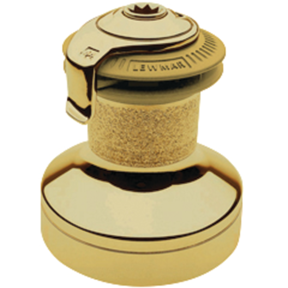
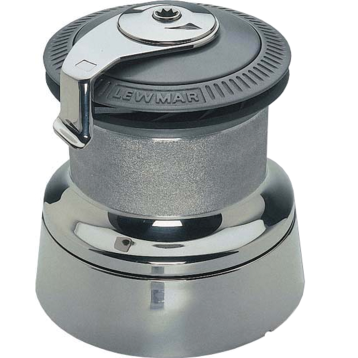
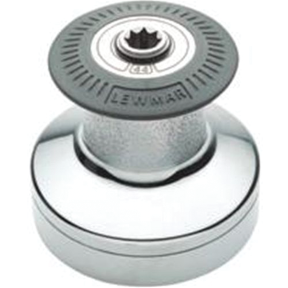
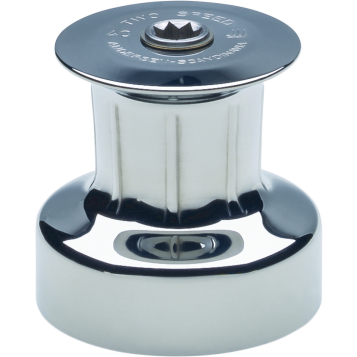
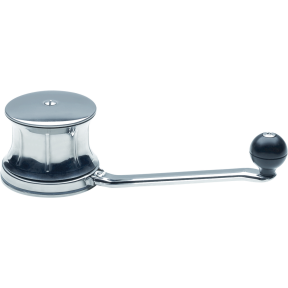
Manual sailing winches offer a direct, mechanical approach to sail handling. Available in multiple sizes and gear ratios, they are well suited to a wide range of sail plans and deck layouts.
These winches provide smooth, predictable control and remain a dependable choice for sailors who prefer simplicity, serviceability, and hands-on trimming.
Electric Sailing Winches
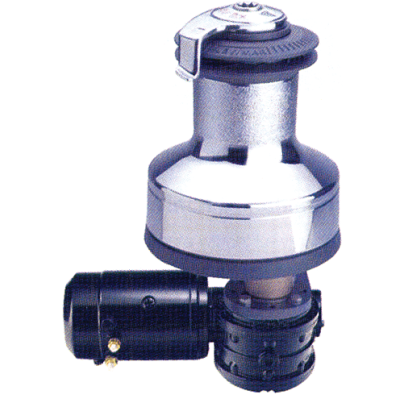
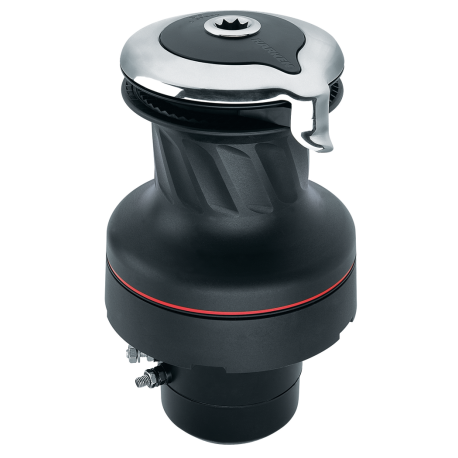
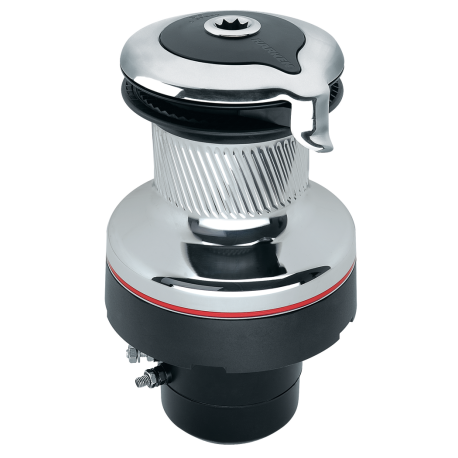
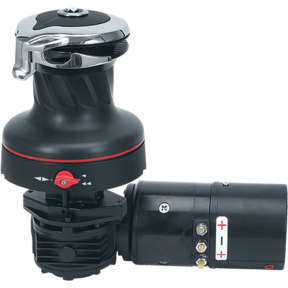
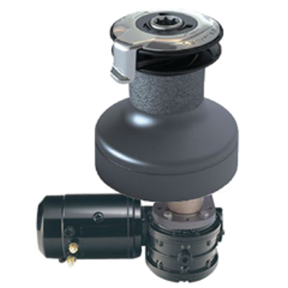
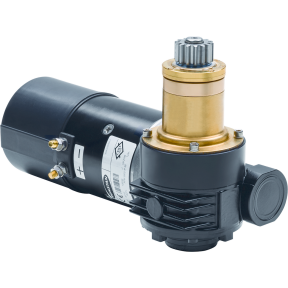
Electric sailing winches simplify sail handling by delivering power at the push of a button. They are especially useful for short-handed crews and larger sailboats where loads are higher.
By reducing physical effort, electric winches improve safety and make repetitive trimming and hoisting tasks more manageable during long days on the water.
Note that many race rules do not allow electric winches for sailboat racing.
Winch Parts and Spare Parts
Routine inspection and maintenance are essential to keeping a sailing winch operating smoothly. Over time, internal components experience wear and should be serviced or replaced.
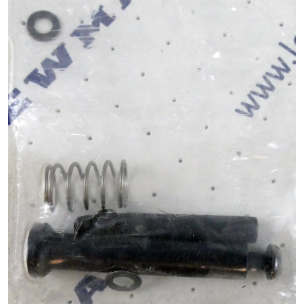
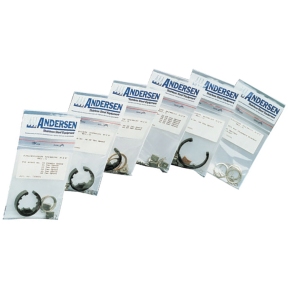
Fisheries Supply stocks a wide range of replacement winch parts, including bearings, gears, springs, and pawls. These parts support both repairs and performance upgrades, helping extend the working life of your winches.
Sailboat Winch Handles
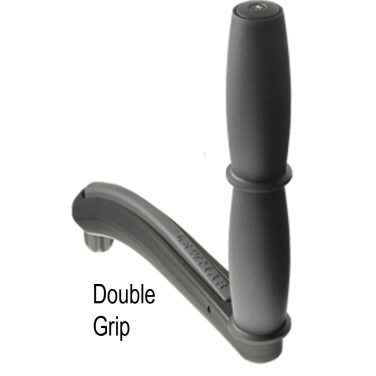
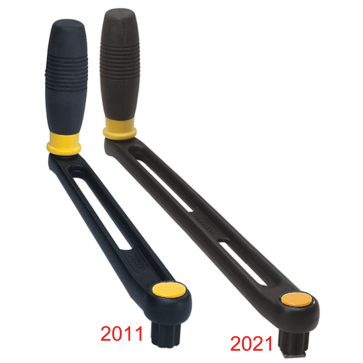
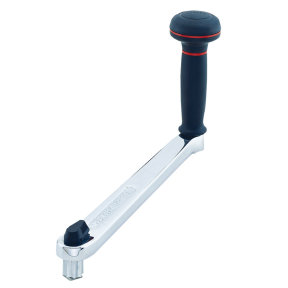
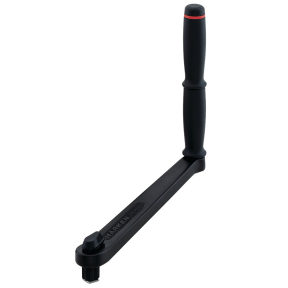
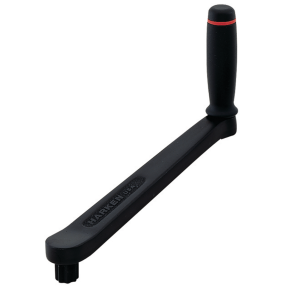
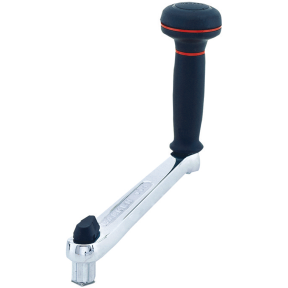
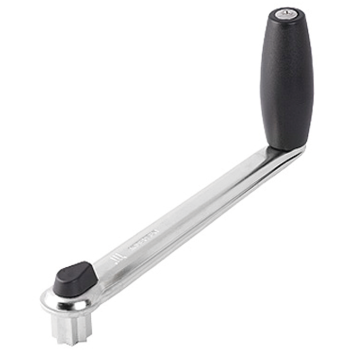
A well-made winch handle is critical for efficient operation and good control. Handle length, grip shape, and material all affect leverage and comfort.
Available in metal and composite materials, our winch handles are designed to provide a secure grip while reducing fatigue during repeated trimming.
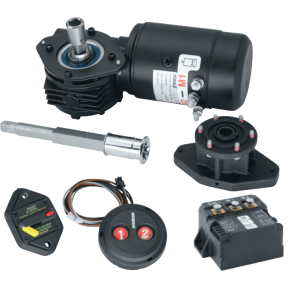
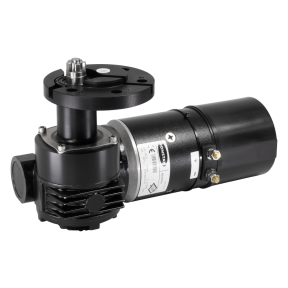
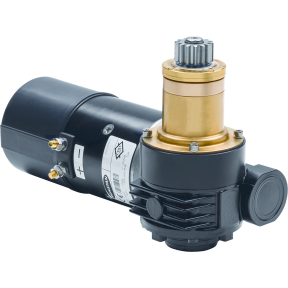
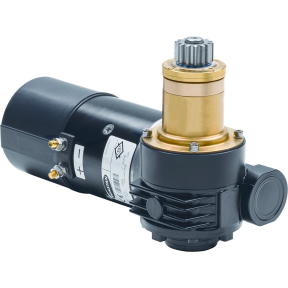
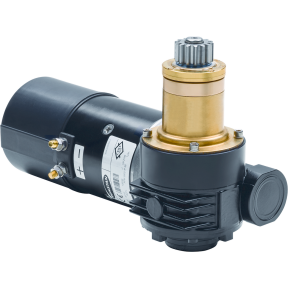
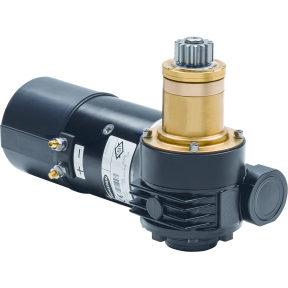
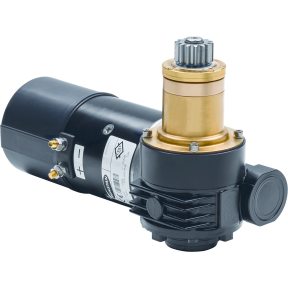
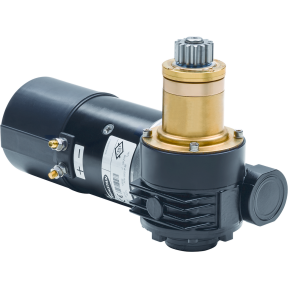
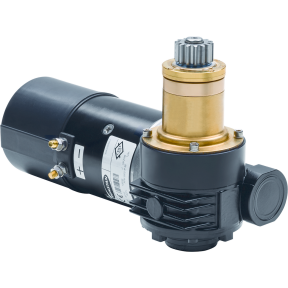
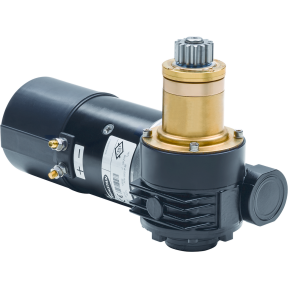
Electric Winch Conversion Kits
For sailors looking to upgrade existing hardware, electric winch conversion kits offer a practical alternative to full winch replacement.
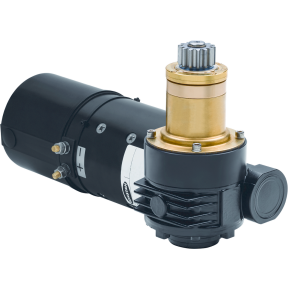
These kits typically include motor assemblies, circuit breakers, and control components needed to convert a compatible manual winch into an electric system.
Yacht Winches
Yacht winches are engineered for larger boats and higher working loads. Their heavier construction and increased power capacity support demanding offshore and bluewater sailing conditions.
These winches are designed to deliver consistent, controlled performance when managing large sails and heavy lines.
Key Factors When Choosing a Sailboat Winch
- Weight: Balance winch mass with overall boat stability.
- Pulling power: Match winch capacity to expected sail loads.
- Line diameter: Ensure compatibility with rope and sheet sizes.
Understanding how winch size, gearing, and line handling work together helps ensure safe operation and reliable performance over time.
Frequently Asked Questions
How do I choose the correct winch size for my sailboat?
Winch sizing is primarily determined by the sail area and the specific application, such as primary jib sheets or halyards. Manufacturers provide sizing charts that correlate winch power ratios with boat length and sail square footage. For example, a larger genoa on a cruising boat typically requires a two-speed winch with a higher power ratio to handle the increased loads during heavy weather.
What is the difference between a self-tailing and a standard winch?
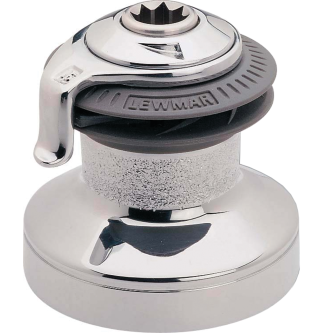
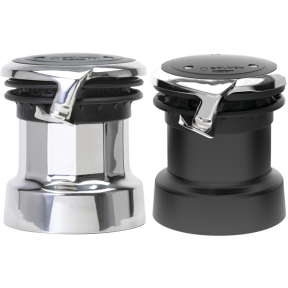
A self-tailing winch features a gripper mechanism or "jaw" on top of the drum that automatically holds the line, allowing a single person to operate the winch with one hand while cranking with the other. Standard winches require a second person (or a "tailer") to pull the line off the drum as it is being cranked to maintain tension and prevent slipping.
How often should sailboat winches be serviced?
For optimal performance and longevity, winches should be fully stripped, cleaned, and lubricated at least once per season. If you sail in high-salt environments or race frequently, more regular maintenance may be required. Signs that service is needed include a sluggish ratcheting sound, the drum not turning freely, or the winch spinning in both directions.
Can I convert my existing manual winches to electric?
Many modern winch series, such as the Harken Radial or Lewmar Evo, are designed to be "electric-ready." This means you can install a conversion kit that includes a motor, gearbox, and control box without replacing the entire winch drum and base. This is a popular upgrade for sailors looking to reduce physical strain when hoisting large mainsails or trimming heavy loads.
What type of lubricant should be used on winch internal components?
You should use marine-grade winch grease for the metal gears and roller bearings to ensure smooth operation under high loads. However, the pawls and springs should never be greased, as thick grease can cause them to stick and fail to engage. Instead, apply a light, water-resistant machine oil or specialized pawl oil to these components to maintain the "clicking" mechanism.