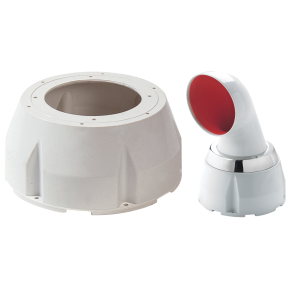
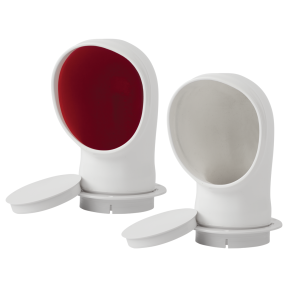
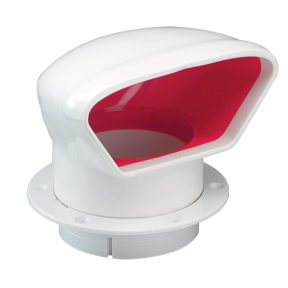

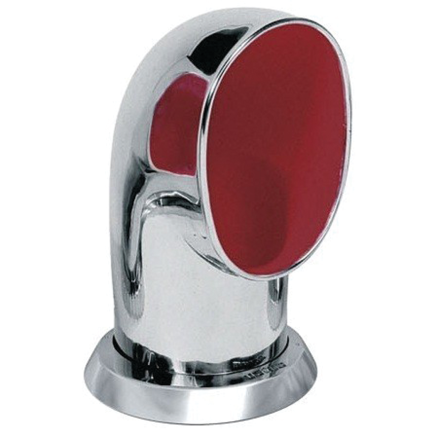
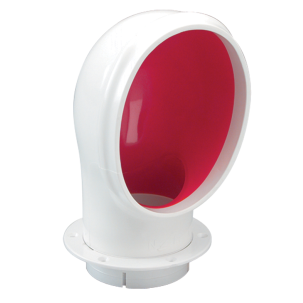
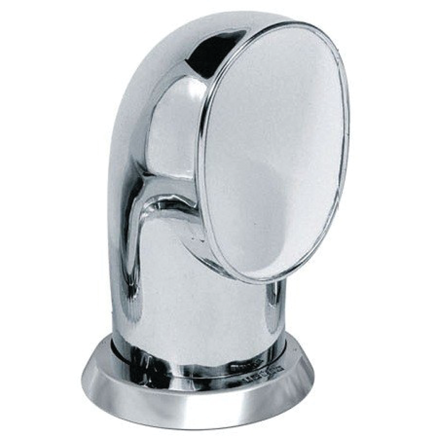
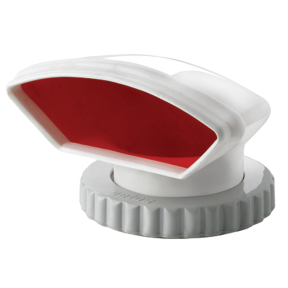
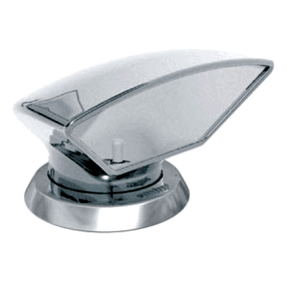
Cowl Vents, Dorade Vents, and Boat Ventilation Equipment
Cowl vents, dorade vents, cabin fans, and related marine ventilation equipment move fresh air through boat cabins, engine spaces, and below-deck compartments. This selection is for recreational boat owners, offshore cruisers, yacht crews, boatbuilders, and commercial operators choosing natural or powered airflow components.
Shop Fisheries Supply for ventilation products from marine brands such as Nicro and Vetus, with options for new installations, replacement projects, and system maintenance.
Boat Ventilation Quick Facts
Why Marine Ventilation Matters
Marine ventilation controls heat, humidity, condensation, odors, and fumes in enclosed boat spaces. Consistent airflow also helps protect electrical equipment, upholstery, interior finishes, and mechanical components from moisture-related corrosion or mold.
- Introduces fresh air into cabins and below-deck compartments.
- Moves warm, humid, or stale air out of enclosed spaces.
- Reduces condensation on windows, bulkheads, and interior surfaces.
- Supports cabin comfort during overnight stays and extended cruising.
- Helps exhaust blowers remove fumes from designated machinery spaces.
Ventilation equipment does not replace required carbon monoxide detectors, fuel-vapor detectors, or manufacturer-specified engine-room safety systems.
Types of Boat Ventilation Equipment
| Equipment Type | Category | Function | Power or Compatibility |
|---|---|---|---|
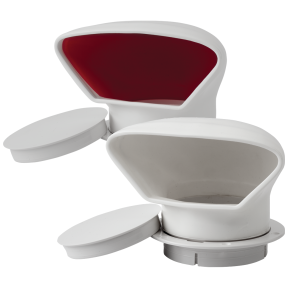
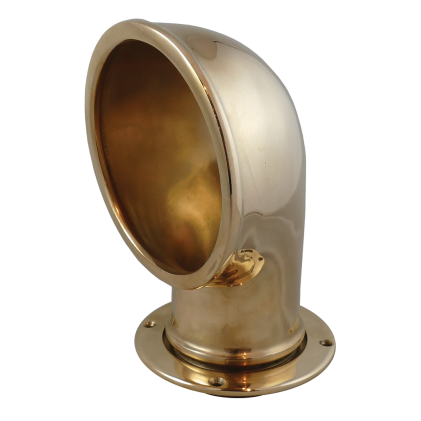
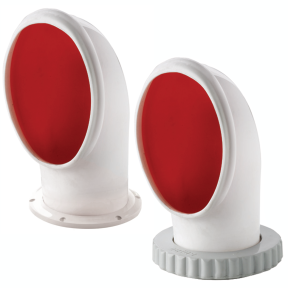
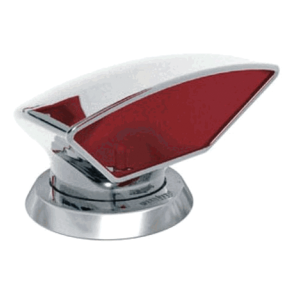
| Cowl vents | Passive ventilation | Capture moving air and direct it into a cabin or below-deck compartment. | No continuous electrical power required. |
| Dorade vents | Passive ventilation | Redirect airflow and help separate spray before air enters the boat. | No continuous electrical power required. |
| Powered marine fans | Powered ventilation | Provide directed airflow in cabins and spaces where natural ventilation is limited. | Match the product to a 12V, 24V, or 120V electrical system. |
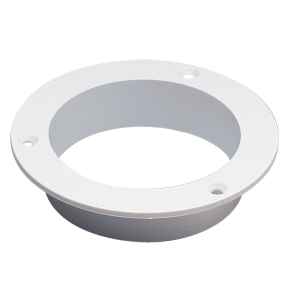
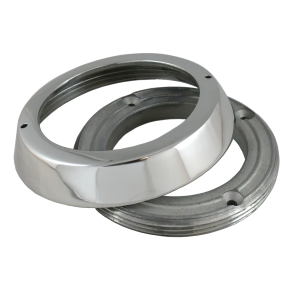
| Cowl trim rings | Vent accessory | Cover mounting openings and provide a finished deck or cabin-top installation. | Match the opening, cowl base, and mounting surface. |
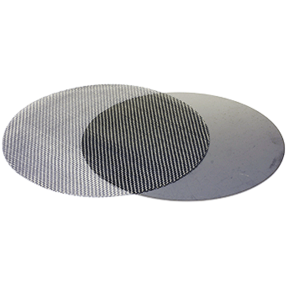
| Insect screens | Vent accessory | Permit airflow while restricting insects and other pests. | Match the screen dimensions to the vent, hatch, or opening. |
| Vent collars and rings | Installation accessory | Connect or finish openings where ventilation pipes or ducts pass through a deck or cabin top. | Match the pipe, duct, opening diameter, and mounting surface. |
Marine Ventilation Product Comparison
| Product Type | Airflow Method | Common Use | Selection Factors |
|---|---|---|---|
| Cowl vent | Natural airflow | Cabins, heads, lockers, and below-deck spaces | Opening size, mounting footprint, direction, material, and collar compatibility |
| Dorade vent | Natural airflow with water-management components | Cabin ventilation in exposed deck locations | Dorade box, cowl size, deck space, drainage, and closure method |
| Cabin fan | Powered circulation | Berths, salons, galleys, and work areas | 12V, 24V, or 120V power; mounting style; controls; and current draw |
| Exhaust blower | Powered extraction | Engine rooms and machinery compartments | Required airflow rating, duct diameter, ignition protection, and voltage |
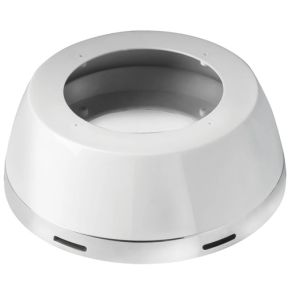
| Trim ring or vent collar | Installation component | Deck, cabin-top, and duct openings | Opening diameter, flange dimensions, material, seal, and fastener pattern |
How to Choose Marine Ventilation Equipment
- Identify the space. Determine whether the equipment will ventilate a cabin, head, locker, engine room, or machinery compartment.
- Measure the installation. Confirm the existing opening, mounting footprint, duct diameter, available clearance, and deck thickness.
- Select natural or powered airflow. Use passive vents for continuous air exchange or powered fans and blowers when controlled airflow is required.
- Verify electrical compatibility. Match powered equipment to the vessel's 12V, 24V, or 120V system and follow the product wiring instructions.
- Check the material and exposure rating. Consider UV exposure, saltwater contact, corrosion resistance, drainage, and mounting location.
Marine Vent Brands and Replacement Parts
Fisheries Supply carries cowl vents, dorade components, and related hardware from established marine manufacturers, including Nicro and Vetus. Compare material, dimensions, mounting configuration, replacement-part availability, and vessel compatibility before ordering.
Fisheries Supply has served boat owners and marine professionals since 1928 and offers product support for recreational vessels, yachts, and commercial fleets.
Installation and Maintenance
- Position intake and exhaust components to promote airflow through the full compartment.
- Seal deck penetrations with a marine sealant suitable for the mounting surface and hardware.
- Route wiring and ducts according to the equipment manufacturer's instructions.
- Clean fan blades, cowls, screens, drains, and vent openings when dirt or salt deposits accumulate.
- Inspect fasteners, seals, wiring, controls, and flexible ducts for wear or reduced performance.
Frequently Asked Questions
What is the difference between a cowl vent and a dorade vent?
A cowl vent captures outside air and directs it through a deck opening, while a dorade vent combines a cowl with a box designed to separate spray from incoming air. Dorade systems are commonly selected for exposed deck locations where continuous cabin airflow and water management are both important.
How do I choose the right cowl vent size for my boat?
Match the cowl vent to the existing deck opening, vent collar, duct diameter, mounting footprint, and available clearance. Check the manufacturer's dimensional drawing before purchase because nominal sizes may not represent every flange or cutout measurement. Also confirm that the cowl can rotate or close as required.
Do dorade vents keep all water out of a boat cabin?
Dorade vents are designed to limit water entry while allowing air below deck, but performance depends on the box design, drainage, installation angle, cowl position, and sea conditions. Inspect drains regularly and close the vent when required by weather, vessel operation, or the equipment manufacturer's instructions.
Should I choose a 12V, 24V, or 120V marine fan?
Choose a marine fan rated for the boat's existing electrical system and the intended installation location. A 12V fan cannot be treated as interchangeable with a 24V or 120V model. Confirm voltage, current draw, circuit protection, wire size, and manufacturer installation requirements before connecting the equipment.
Where should cabin fans and boat vents be installed?
Install cabin fans and vents where they can move air through the occupied space instead of circulating it within one corner. Pair low and high openings when practical, keep intake paths clear, and consider moisture sources, sleeping areas, heat-producing equipment, deck exposure, and access for cleaning or repairs.
How often should marine ventilation equipment be inspected?
Inspect marine ventilation equipment regularly and whenever airflow, noise, odor, or moisture levels change. Check cowls, screens, dorade drains, fan blades, ducts, seals, wiring, switches, and fasteners. Boats used in saltwater or stored in humid climates may need more frequent cleaning and corrosion checks.