Choose the Best Buffing Pads for Perfect Results
Key Takeaways: Tips for a Flawless Marine Finish
- Choose Based on Task: Buffing pads are broadly categorized into compounding (for heavy defect removal and scratch refining) and polishing (for achieving a high-gloss shine).
- Material Matters: Wool, foam, microfiber.
- Surface Preparation: Before using a buffing pad, surfaces should be prepped by sanding with fine abrasives, typically down to 1200 grit or finer.
- Temperature Control: Foam pads can generate significant heat; users should be cautious when working on gel coats to prevent surface damage.
- Precision Detailing: Microfiber spot pads are specifically designed to target small imperfections and micro-scratches with superior product absorption and precision.
- System Compatibility: Using color-coded systems, such as the Revitalise System Pads, can eliminate guesswork by matching specific pads to the correct polishing compounds.
- Maintenance is Key: To extend pad life and maintain performance, use a pad cleaning brushing after each use to remove residue and store pads flat in a cool, dry place to prevent distortion.
Why Should I Use a Buffing Pad?
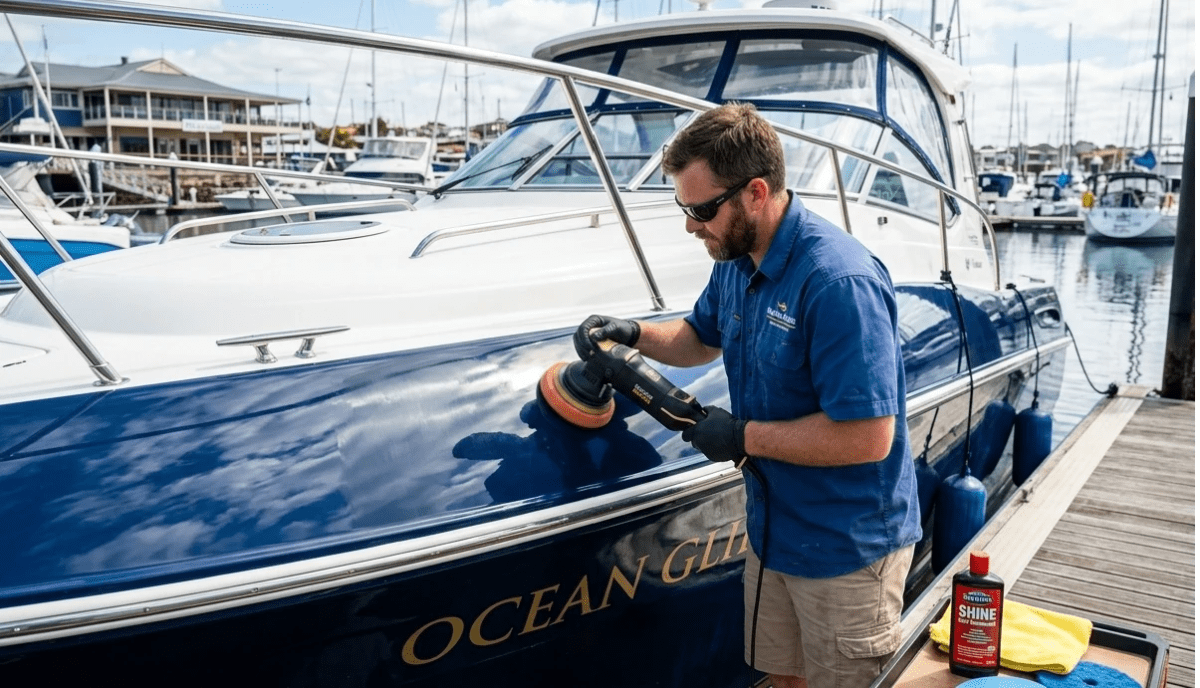
Buffing pads are used to apply liquid abrasive compounds and polishes to a fiberglass, painted, or metal surface to give it that ultimate shine. They are used in place of doing the work by hand ? a huge time savings for today's busy boaters.
Buffing pads should be used after the surface contact has been prepped with a medium-heavy cutting pad for final compounding and/or waxing. This means removing any big scuffs or scratches by sequentially sanding with finer and finer abrasive discs or papers, typically down to 1200 grit or finer. Once you have removed the heavier defects, you are ready to use your buffing pad.
Compounding vs. Polishing
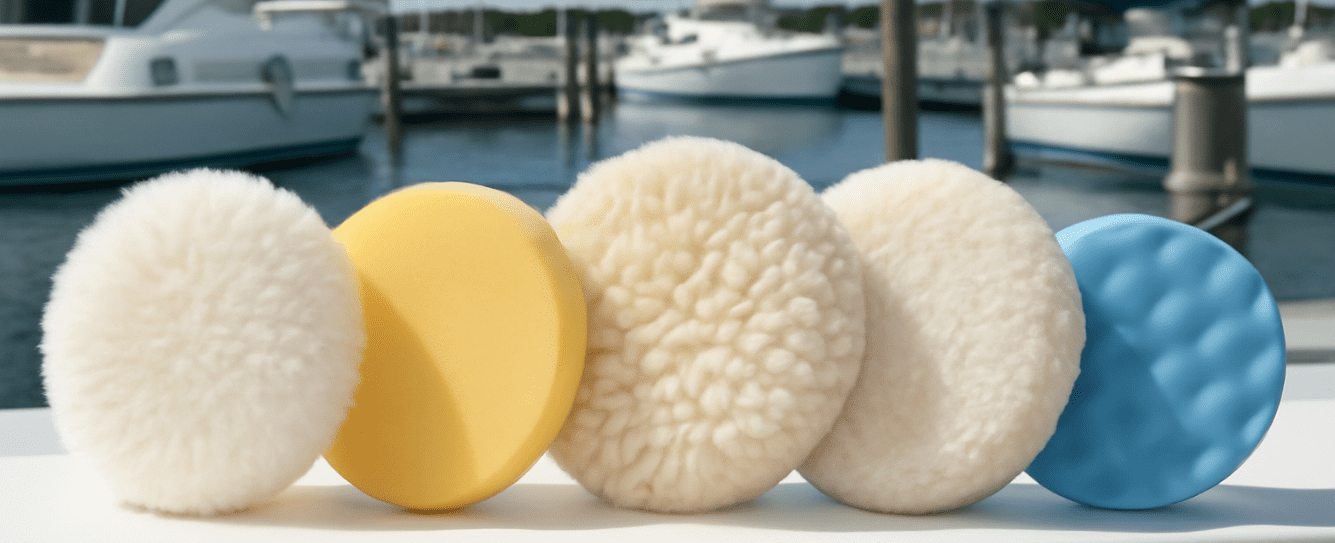
Although the term ?buffing? is often loosely used to refer to the entire process,?buffing pads? can be broadly divided into two types: compounding and polishing. Each type can be of either fiber or foam construction.
Compounding Pads
Compounding is usually described as refining (wearing down) light defects, like very tiny scratches left by 1200 grit (or finer) abrasives. Sanding is recommended to that level, unless you are simply refurbishing an oxidized finish that is otherwise in good shape, in which case, sanding is probably unnecessary.
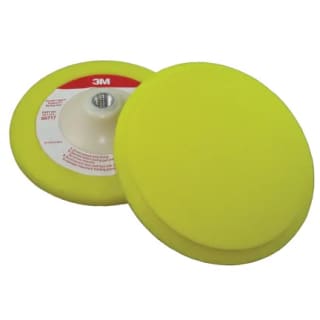
Foam compounding pads are constructed of stiffer, coarser foams than those used for polishing. They can generate a lot of heat, so be very careful not to let your pad get too hot. Foam is typically used on painted surfaces (like cars and painted boats) that can tolerate the higher temperatures.
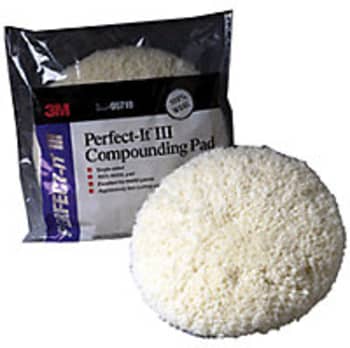
Wool compounding pads are preferred for use on gel-coated surfaces (like boats), since they don't generate high surface temperatures that can damage a gel coat surface. Wool pads also work well on painted surfaces.
Polishing Pads
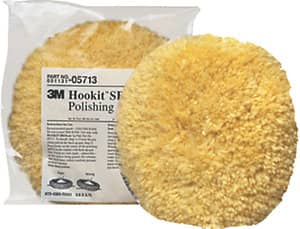
Polishing pads are constructed of softer foam or softer, thinner fibers, typically acrylic or acrylic/wool blends. The yarns usually have less ?twist? than those used in compounding pads, making them softer and less aggressive.
Types of Polishing Pads - Microfibre, Wool & Foam
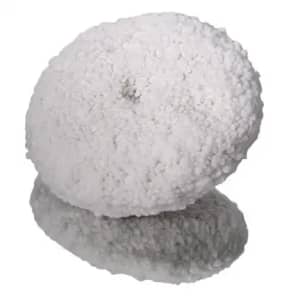
Wool pads, on the other hand, are recognized for their aggressive cutting capabilities. They excel in removing the heaviest defects and are often the go-to choice for those dealing with significant paint imperfections. The natural fibers in wool pads increase the surface area, which aids in friction and heat generation, thus enhancing their cutting performance.
- Pure wool pads tend to be more abrasive, and are most often used for compounding. Wool on rotary polishers is a little more challenging to use for a beginner since too much pressure can cut the surface too quickly or cause swirl marks if you're not careful. But it doesn't get as hot as foam, so that can be a plus if you are working on gel coat.
-
Acrylic/wool blends have finer, softer fibers and are a slightly safer option, usually used for polishing.
-
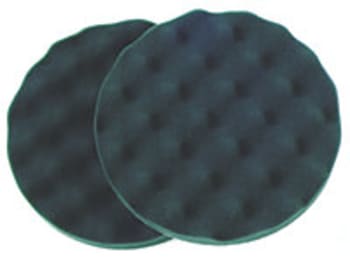
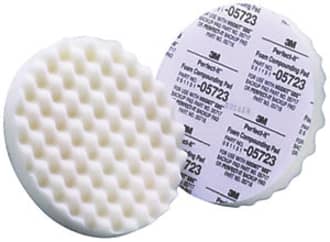
Foam pads come in different degrees of aggressiveness. 3M's white foam pads are suitable for compounding, their black pads for polishing, and their light blue pads for ultra-fine polishing or applying wax. Foam pads will often have a convoluted face designed to better hold compounds and polishes so as to reduce the slinging of the liquid off the pad during use. Stiffer Foam pads with a backing plate tend to be a little more forgiving for beginners, but can get very hot, so use with caution when working with gel coat to prevent significant damage.
Microfibre Spot Pad
When using microfibre spot pads, it's essential to apply light pressure to prevent overheating and ensure a smooth finish. Always work in small sections and frequently check the pad for any residue buildup. For best results, pair these pads with a suitable polish designed for spot correction, allowing you to achieve a flawless surface without the need for excessive polishing. By incorporating microfibre spot pads into your detailing arsenal, you can easily tackle those stubborn imperfections and enhance the overall appearance of your boat.
Enhanced Polishing Techniques
Moreover, adapting your technique based on the condition of the surface is crucial. For instance, when dealing with heavily oxidized paint, a multi-stage approach may be necessary, starting with a heavy-cutting pad before transitioning to polishing and finishing pads. By adjusting your methods to the specific needs of the surface, you can maximize the effectiveness of your polishing process and achieve the most efficient cut while minimizing the risk of creating new imperfections.
Revitalise System Pads
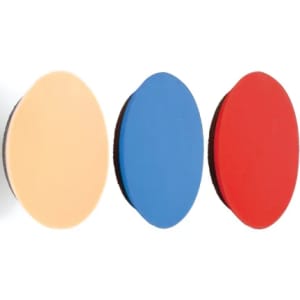
In addition to their exceptional compatibility with polishing compounds, Revitalise System Pads are constructed from high-quality materials that enhance their durability and effectiveness. The pads are designed to maintain their shape and performance over time, even under rigorous use. This means you can trust them to deliver consistent results across multiple detailing jobs.
Comparison table
| Pad Type | Cutting Ability | Finish Quality | Heat Generation | Best Use Case | Durability | Ease of Cleaning |
|---|---|---|---|---|---|---|
| Wool Buffing Pads | High | Medium | High | Heavy oxidation & compounding | Moderate | Challenging |
| Microfiber Buffing Pads | Medium-High | High | Moderate | Paint correction & swirl removal | High | Moderate |
| Foam Buffing Pads | Low to Medium (varies by density) | Very High | Low | Polishing & finishing | Moderate to High | Easy |
| Revitalise System Pads | System-specific (varies by stage) | Very High | Low to Moderate | Complete polishing systems (multi-stage) | High | Easy |
How to Maintain Buffing Pads
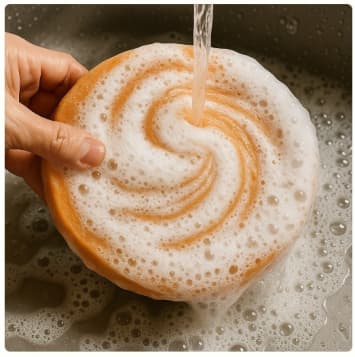
In addition to regular cleaning, it's important to store your pads properly to protect them from damage. Avoid stacking pads on top of one another, as this can distort their shape. Instead, store them flat in a cool, dry place away from direct sunlight. This will help maintain their structure and prevent any degradation of materials. By following these simple maintenance tips, you can ensure that your buffing pads remain clean and ready for optimal performance on every detailing job.
How do I keep my pads clean?
To keep your pads clean and in optimal condition, start by investing in a quality pad cleaning brush. This tool is essential for removing debris and spent product from the pad's surface. After each use, turn on your polisher at a low speed and gently brush the pad with the pad cleaning brush while it spins. This action will dislodge any contaminants without damaging the pad itself. For deeper cleaning, consider using a dedicated pad cleaner that can effectively break down residues and restore the pad's performance.
Regular maintenance is crucial, especially if you notice your pads becoming clogged or losing their effectiveness. After polishing, take the time to wash your pads thoroughly with warm water and a mild detergent. Rinse them well and allow them to dry completely before storing them. This routine helps prevent the build-up of oils and other residues that can impair the pad's performance over time. By implementing these cleaning techniques, you can extend the lifespan of your pads and ensure they deliver the best results every time.
FAQs
What?s the best buffing pad to use?
The best buffing type of pad to use really depends on what you're working on and the type of finish you're aiming for.
- Foam Pads: These are great for applying wax or polish and come in various densities. Softer pads are ideal for finishing, while more aggressive foam pads can be used for cutting.
- Wool Pads: Wool is excellent for heavy cutting and removing imperfections from paint. They tend to be more aggressive than foam pads, making them a good choice if you need to do some serious buffing.
- Microfiber Pads: These are versatile and can be used for both cutting and finishing. They offer a good balance between aggressiveness and gentleness, making them suitable for a variety of surfaces. For best results, consider the specific product you're using, the condition of the surface, and your desired outcome.
Which pad should I use with polishes like HD Polish?
When using a high-definition polish, it's generally recommended to use a soft foam pad for optimal results. A finishing pad is ideal for achieving a high-gloss finish without adding any swirl marks. If you're looking to correct imperfections while also polishing, you might opt for a slightly more aggressive polishing pad, but make sure it's still designed for use with finishing polishes. Always remember to test on a small area first to ensure the best outcome!
Fisheries Supply carries a wide range of boat buffing products from 3M, Meguiar's, Mirka, and more. We hope you've found this article useful, but if you have additional questions about which buffing pad is right for your specific job, please don't hesitate to give our experts a call at (800) 426-6930.
To read more on how to use compounds, polishes, and glazes ? check out A Guide to Restoring Gelcoat.