

Marine Clocks and Barometers at Fisheries Supply
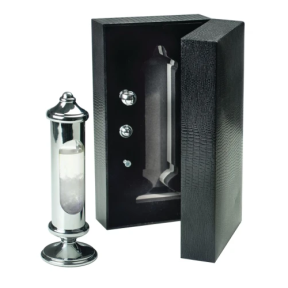
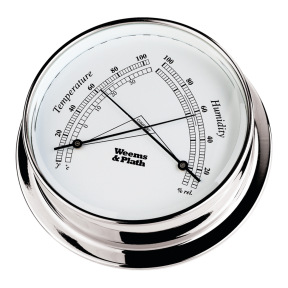
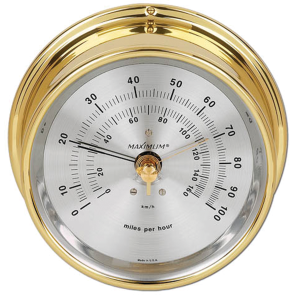
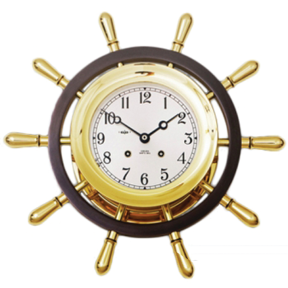
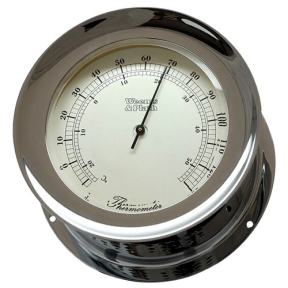
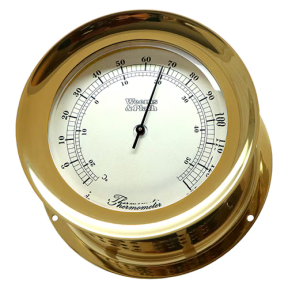
Marine clocks and barometers provide boaters, restorers, and marine installers with onboard timekeeping and atmospheric pressure information. Fisheries Supply carries brass boat clocks, ship's bell clocks, marine barometers, porthole-style instruments, weather stations, and coordinated clock and barometer sets from established marine brands.
Marine Instrument Quick Facts
How Marine Clocks and Barometers Work
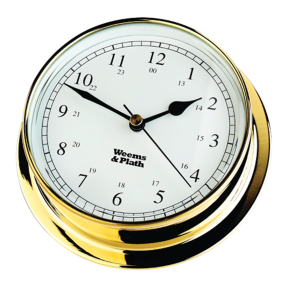
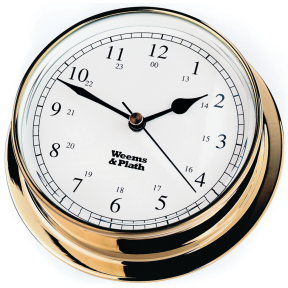
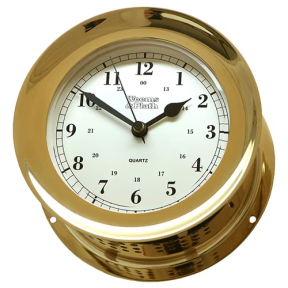
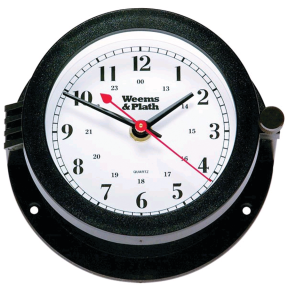
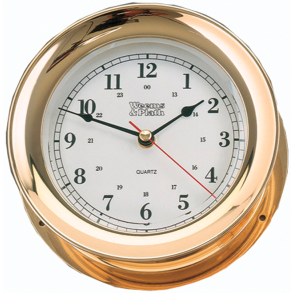
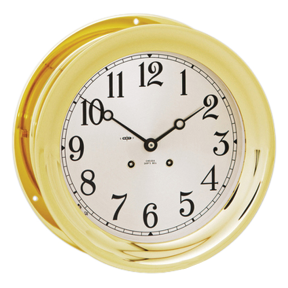
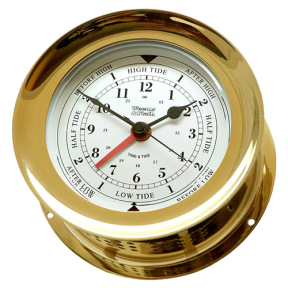
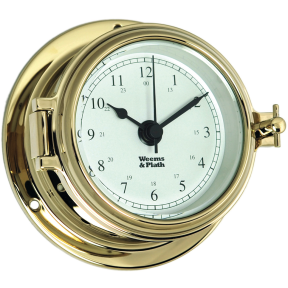
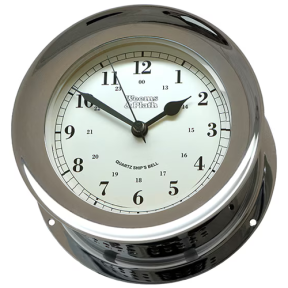
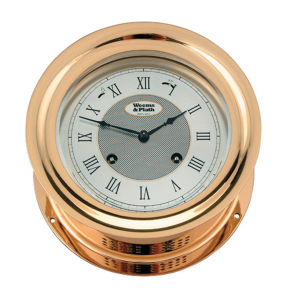
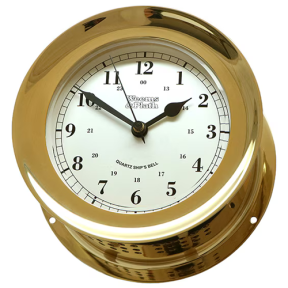
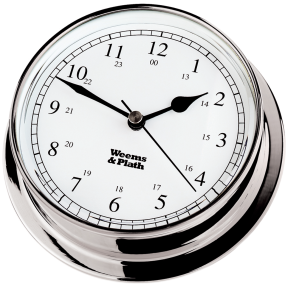
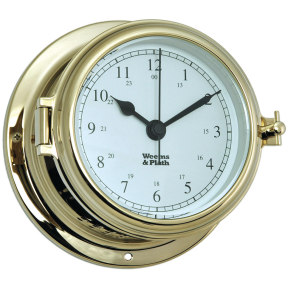
Boat clocks provide a consistent time reference while underway or at anchor. Available formats include quartz clocks, hand-wound mechanical clocks, 24-hour clocks, chronometers, navigator clocks, tide and time indicators, and traditional ship's bell clocks.
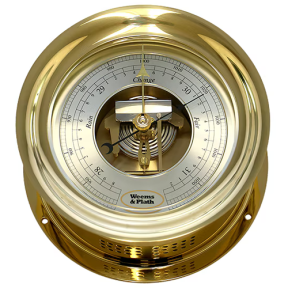
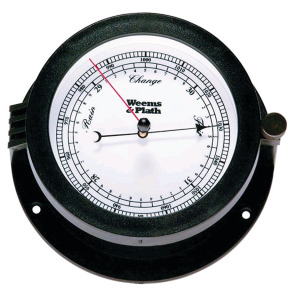
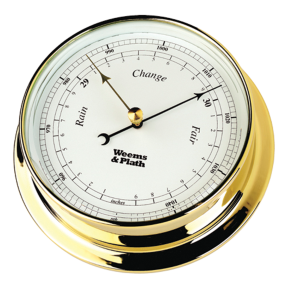
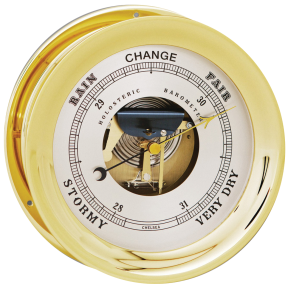
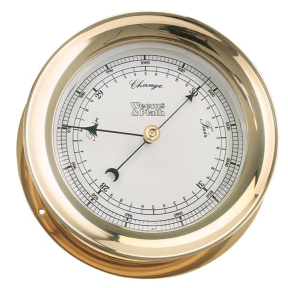
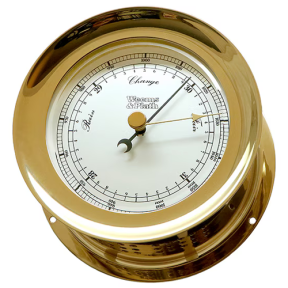
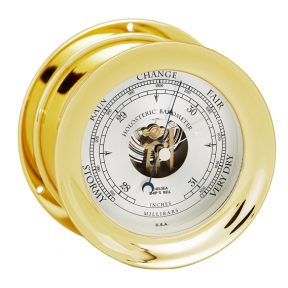
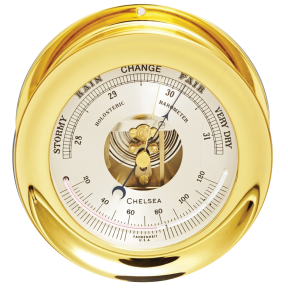
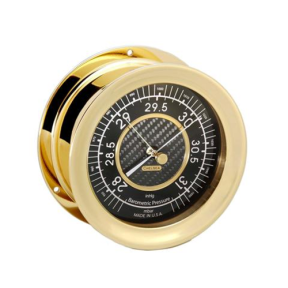
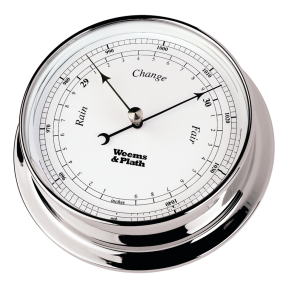
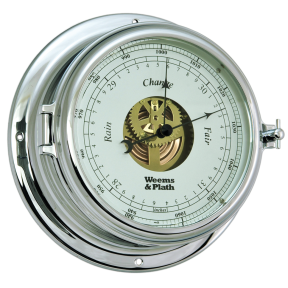
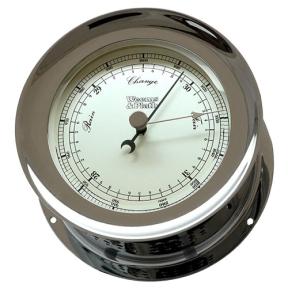
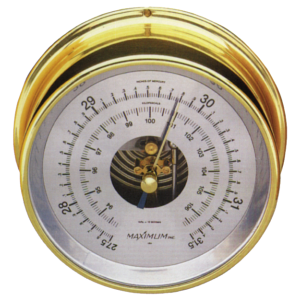
Marine barometers measure atmospheric pressure to support onboard weather observation. A falling reading typically signals an approaching low-pressure system associated with rain or storms. A rising reading generally indicates a high-pressure system and more settled weather.
Types of ship's Clocks and Barometers
| Clock Type | Description |
|---|---|
| Boat Clocks | Marine-oriented instruments used for onboard timekeeping. |
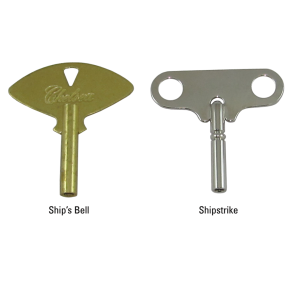
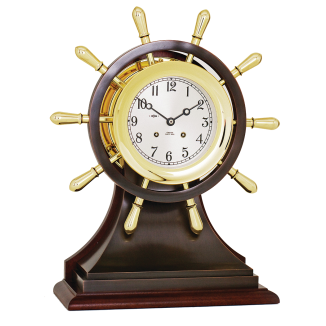
| ship's Bell Clocks | Traditional nautical clocks that mark shipboard watch periods with bell sequences. |
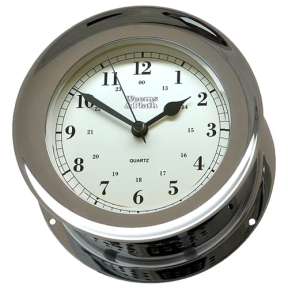
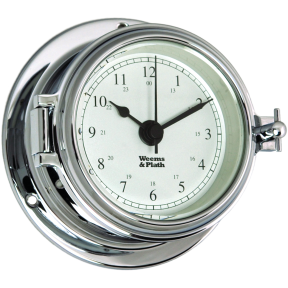
| Weems & Plath Clocks | Precision marine clocks recognized among sailors for durable construction. |
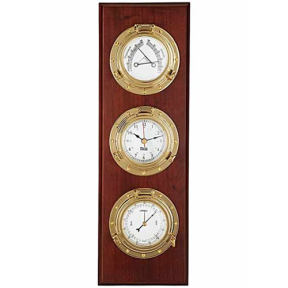
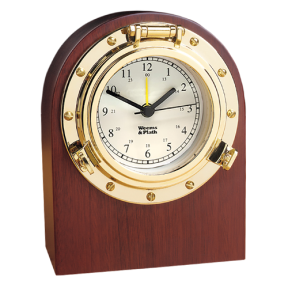
| Porthole Clocks | Nautical wall clocks styled after a ship's porthole. |
| Quartz Clocks | Battery-powered instruments offering accurate timekeeping with limited routine maintenance. |
| Mechanical Clocks | Hand-wound instruments valued for traditional movements and marine styling. |
| Instrument Type | Description |
|---|---|
| Aneroid Barometers | Mechanical pressure instruments that operate without liquid. |
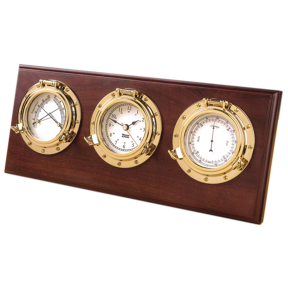
| Barometer Clocks | Combination units integrating time and atmospheric pressure displays. |
| Chelsea Barometers | Traditional marine instruments associated with long-standing craftsmanship. |
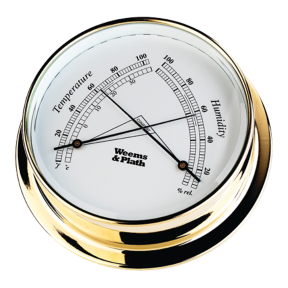
| Weather Stations | Integrated instrument arrangements that provide timekeeping and weather information. |
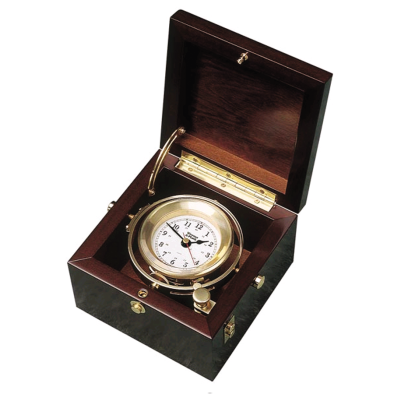
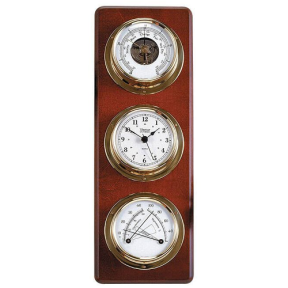
| Clock and Barometer Sets | Matching instrument sets pair a ship's clock with a coordinated marine barometer. Presentation options include wood bases, American mahogany wall plaques, wall-mounted arrangements, and double-mount bases for a cabin desk or home mantle. |
How to Choose a Marine Clock or Barometer
| What to Look For | What to Consider |
|---|---|
| Movement Type | Choose quartz operation for low-maintenance accuracy or a mechanical movement for traditional hand-wound operation. |
| Instrument Function | Decide whether you need timekeeping, atmospheric pressure monitoring, tide information, or a coordinated combination. |
| Mounting Location | Match the instrument to a wall, wood plaque, desk, mantle, or double-mount display base. |
| Case Material | Available materials include solid forged brass, chromed brass, lacquered brass, and carbon fiber. |
| Installation Environment | Position an aneroid barometer away from engine heat and direct sunlight so it can stabilize at ambient temperature. |
| Visual Coordination | Select matching clock and barometer cases when a consistent cabin or home display is preferred. |
Marine Clock and Barometer Brands
Frequently Asked Questions
What types of marine clocks and barometers does Fisheries Supply carry?
Fisheries Supply carries quartz and mechanical marine clocks, 24-hour clocks, ship's bell clocks, tide and time indicators, aneroid barometers, weather stations, and matching instrument sets. Available brands include Chelsea Clock, Weems & Plath, and Davis Instruments, with wall-mounted, porthole-style, plaque-mounted, and desktop display options.
What does a marine barometer tell you about approaching weather?
A marine barometer measures atmospheric pressure and helps boaters observe developing weather patterns. Falling pressure commonly indicates an approaching low-pressure system associated with rain or storms. Rising pressure generally points to a high-pressure system and more settled conditions, though readings should be considered alongside current marine weather information.
What is the difference between quartz and mechanical ship's bell clocks?
Quartz marine clocks use battery-powered movements and provide accurate timekeeping with limited routine maintenance. Mechanical ship's bell clocks use hand-wound movements and traditional regulating mechanisms. Chelsea ship's Bell models also feature forged brass cases, making mechanical clocks functional timekeeping instruments as well as traditional nautical display pieces.
Where should an aneroid marine barometer be mounted on a boat?
An aneroid marine barometer should be mounted away from engine heat, direct sunlight, and other locations with rapid temperature changes. Boat motion and temperature can slightly affect readings, so the instrument should have time to stabilize at ambient temperature before pressure trends are interpreted for onboard weather observation.
What materials are commonly used for nautical clocks and barometers?
Marine clocks and barometers commonly use solid forged brass, chromed brass, lacquered brass, or carbon fiber. Lacquered finishes help brass retain its appearance, while porthole-style cases and coordinated wood bases support traditional nautical displays. Material, finish, mounting location, and routine care should guide product selection.
Can marine clocks and barometers be displayed on a desk or mantle?
Yes. Marine clocks and barometers can be displayed on handcrafted wood bases, American mahogany plaques, or contemporary double-mount bases. These arrangements can hold a matching clock and barometer set on a cabin desk or home mantle. Wall-mounted and porthole-style instruments are also available for vertical installation.