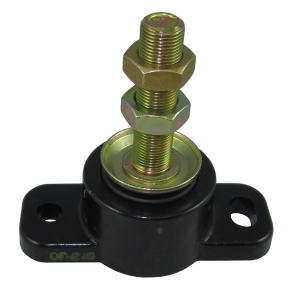
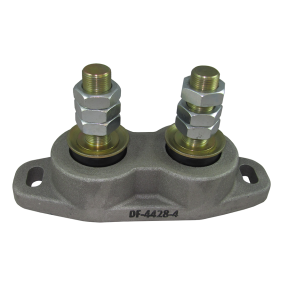
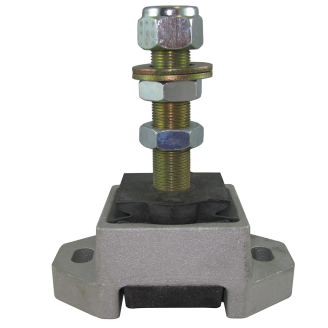
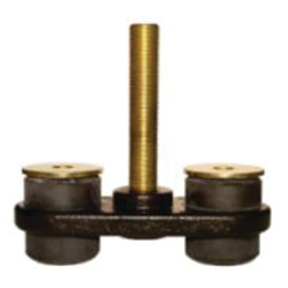
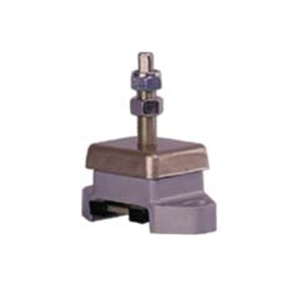
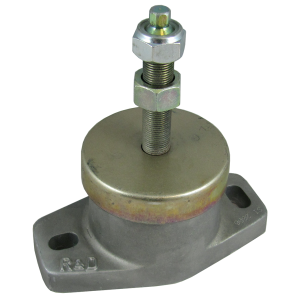
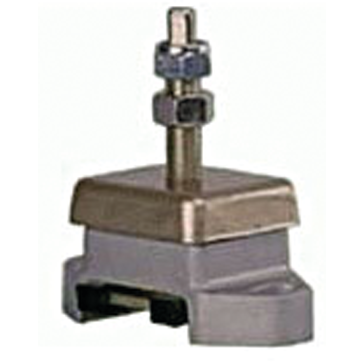
Marine Engine Mounts and Outboard Motor Mounts at Fisheries Supply
Find high-quality marine engine mounts and outboard motor mounts designed to minimize noise and vibration for a smoother ride.
Key Takeaways
- Engine mounts act as vibration isolators, protecting the hull and improving comfort.
- Select mounts based on static load, deflection, shore hardness, and alignment requirements.
- Inspect regularly and plan replacement on a predictable cycle; accelerated replacement may be needed in demanding environments.
- Reputable options include VETUS and Bushings, Inc.
Understanding Marine Engine & Motor Mounts
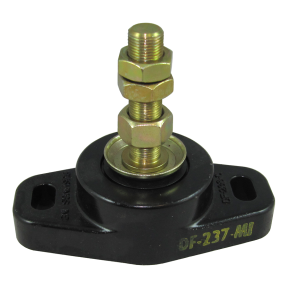
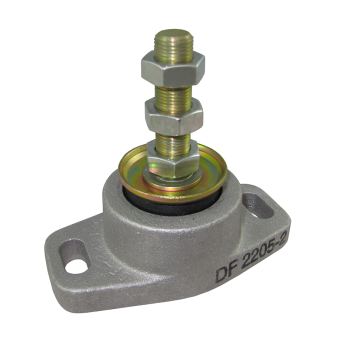
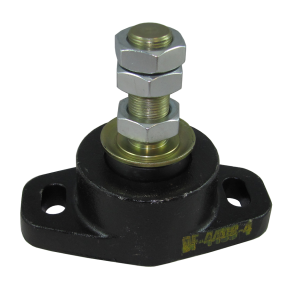
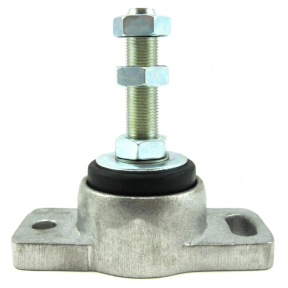
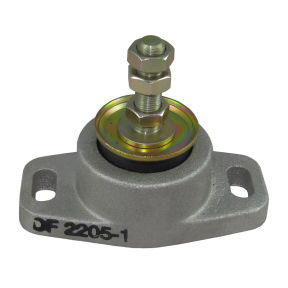
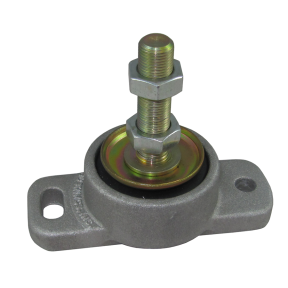
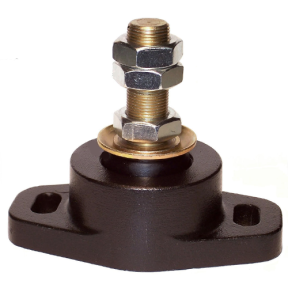
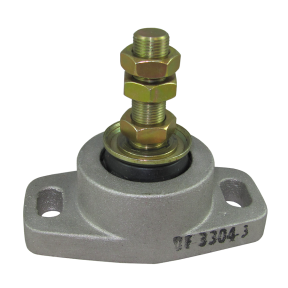
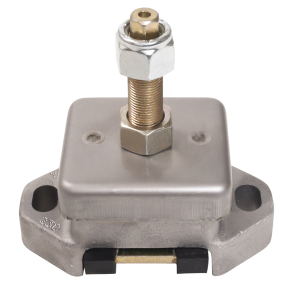
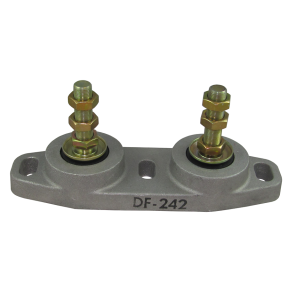
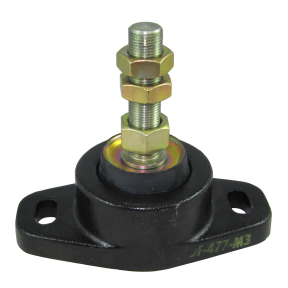
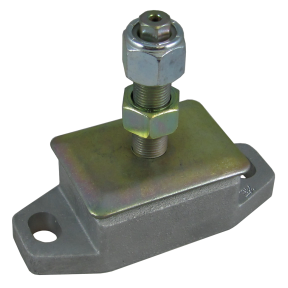
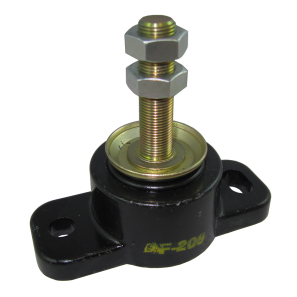
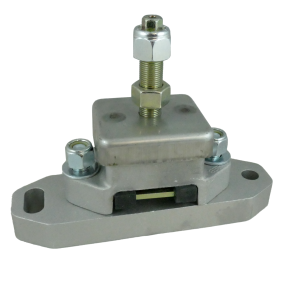
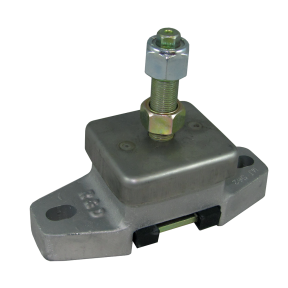
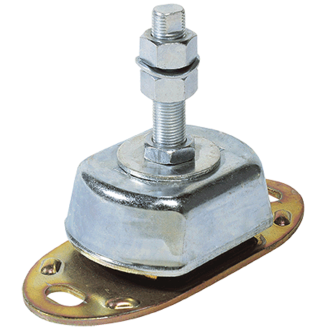
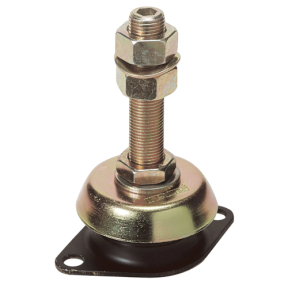
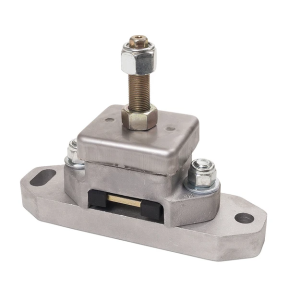
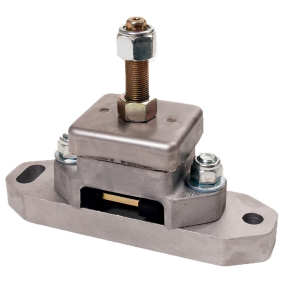
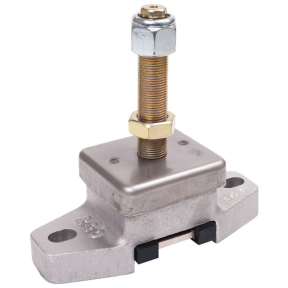
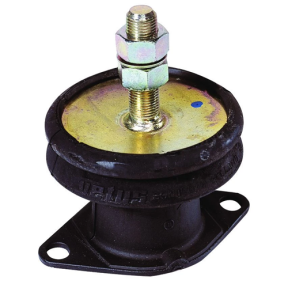
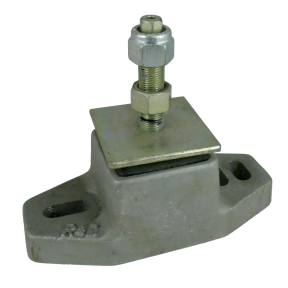
Marine engine mounts and motor mounts transfer propulsion power to the boat while isolating noise and vibration. Acting as engineered elastomeric shock absorbers, they decouple the engine from the hull to protect structures and onboard equipment, improving comfort on pontoon, power, and sailboats.
Our Range of Engine Mounts & Brackets
We stock a broad selection from trusted manufacturers such as VETUS and Bushings, Inc.
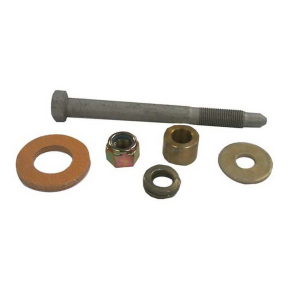
- Engine Mounts — Sized for different engine weights and layouts, with options tuned for desired deflection and damping.
- Outboard Motor Brackets — Purpose-built outboard motor mounts that reduce transmitted vibration and sound.
How to Select the Right Mounts
Main Selection Factors
- Static Load & Engine Weight — Match each mount’s load rating to the engine’s supported mass and center of gravity.
- Deflection Target — Proper deflection improves isolation; too stiff transmits vibration, too soft risks bottoming and misalignment.
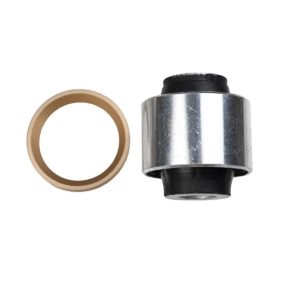
- Hardness & Elastomer — Rubber compounds (natural or synthetic) balance durability with damping; urethane can offer higher stiffness where required.
- Materials — Metallic components in stainless steel, bronze, or brass enhance corrosion protection in saltwater.
- Alignment — Engines must be installed and aligned to drivetrain tolerances to prevent vibration and wear.
When Choosing, consider:
- Weight Distribution — Mount placement influences trim and load paths, affecting handling and comfort.
- Usage Profile — Commercial duty, frequent offshore use, or high-output engines may require higher-capacity or more robust mounts.
Inspection, Maintenance & Replacement
Regular inspection protects performance and extends component life. Look for cracks or tears in the elastomer, corrosion on hardware, oil contamination, excessive engine motion at idle, and changes in vibration or noise.
- Inspection schedule — Include mounts in seasonal or annual service checks.
- Replacement planning — Environmental exposure and duty cycle dictate service life. Many owners plan proactive replacement on a multi-year cycle; replace sooner if symptoms appear.
- Alignment — After replacement, verify shaft/propulsion alignment to spec.
Expert Guidance from Fisheries Supply
Selecting mounts can be complex. Our team reviews engine model, installation geometry, expected deflection, and operating environment to help you choose confidently. Explore our full inventory and reach out for assistance.
Frequently Asked Questions
What materials are engine mounts made from?
Common materials include rubber, urethane, and corrosion-resistant metals for housings and studs (e.g., stainless steel, bronze, brass). Rubber’s elasticity provides effective shock absorption.
How often should engine mounts be replaced?
Inspect regularly for wear (cracks, sagging, oil-soaked rubber, loose hardware). Replacement intervals vary by use and environment; many owners replace on a multi-year cycle and immediately if symptoms of excess vibration or misalignment appear.
Can I install engine mounts myself?
Experienced DIYers can perform the work with proper lifting, torque procedures, and alignment tools. If unsure, consult a qualified marine mechanic to avoid misalignment and resulting vibration.
What are signs my mounts are failing?
Increased vibration at idle or under load, knocking during gear engagement, visible elastomer cracking, or a change in engine height/angle can indicate degraded mounts.
Do different hull types need different mounts?
Yes. Planing powerboats with higher RPM profiles may need stiffer mounts than displacement sailboats that benefit from greater isolation at low RPM.