

Boat Fuel Tanks & Fittings at Fisheries Supply
This category provides boaters with a deep understanding of boat fuel systems. We cover everything from the basic types and materials of marine gas tanks to essential safety components, ensuring your boat’s fuel system is reliable and safe.
Key Takeaways
- Purpose: Boat fuel tanks are vital for safely storing and delivering fuel to your marine engine.
- Types: They are broadly categorized as portable (removable, up to 7 gallons for small boats) and permanent (securely installed, for larger boats).
- Materials: Common materials include lightweight, marine-grade aluminum, cost-effective plastic (XLPE), and occasionally stainless steel for highly specific applications. Each has specific benefits and engineering considerations.
- Safety: Components like anti-siphon valves and proper venting are critical for preventing fuel leaks and helping meet USCG, EPA, and ABYC standards.
- Maintenance: Regular inspection and replacement of worn components like fuel lines and fittings are essential for long-term performance.
Understanding Marine Fuel Tank Types
Choosing the right fuel tank is the first step in building a safe and efficient fuel system. Marine fuel tanks are primarily divided into two categories, each serving a distinct purpose for different boat types.
Portable Fuel Tanks
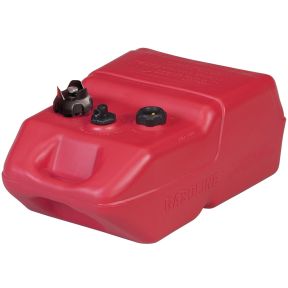
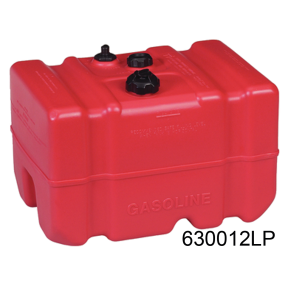
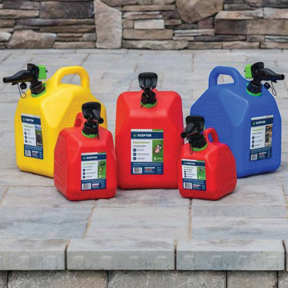
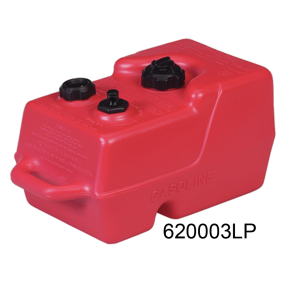
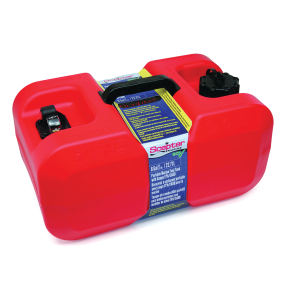
These tanks are designed for ease of use and mobility. They are ideal for outboard motors, personal watercraft, and dinghies. Typically made from durable, UV-stabilized plastic, portable tanks from brands like Scepter are lightweight and corrosion-resistant. To comply with ABYC H-24 and USCG standards, portable tanks are restricted to capacities of 7 US gallons or less, making them easy to disconnect and transport safely for refilling.
Permanent Fuel Tanks
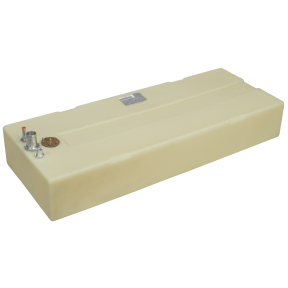
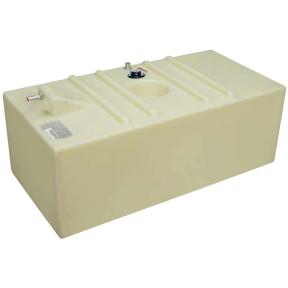
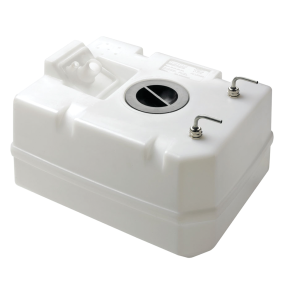
Permanent fuel tanks are a hallmark of larger boats, securely integrated into the boat’s hull or below decks. They are built for long-term reliability and are common on powerboats. Constructed from robust materials like marine-grade aluminum, permanent tanks can hold anywhere from ten gallons to several hundred gallons. They are a core component of a boat’s infrastructure and require professional installation to strictly meet federal and industry safety specifications.
Materials Used in Boat Fuel Tanks
The material of a fuel tank dictates its durability, weight, and resistance to environmental factors. Understanding these properties is crucial for selecting the right tank for your marine environment.
Aluminum
Favored for its structural integrity and high strength-to-weight ratio, 5052 or 5086 alloy aluminum is the industry standard for permanent fuel tanks. However, aluminum tanks can be susceptible to accelerated galvanic or crevice corrosion if water is allowed to pool against the exterior surfaces, or if ethanol additives cause internal phase separation. Regular inspection and proper installation—ensuring the tank is kept dry and isolated—minimize this risk.
Plastic
As a highly cost-effective, seamless, and completely corrosion-resistant option, cross-linked polyethylene (XLPE) plastic tanks are widely used for both portable and permanent applications. Brands like Moeller Marine specialize in these high-quality tanks. While exceptionally durable and immune to fuel additives, plastic tanks experience minor fuel vapor permeation and must be engineered to meet strict EPA diurnal emission regulations.
Stainless Steel
While stainless steel provides high tensile strength, its application in marine environments is highly restricted due to its susceptibility to crevice corrosion in damp, unventilated spaces. Under ABYC guidelines, its use is typically limited to specialized diesel applications or small, cylindrical gasoline tanks with domed heads under 20 gallons. It requires careful mounting to avoid prolonged contact with standing bilge water.
Installation and Essential Safety Components
A safe fuel system relies not only on a high-quality tank but also on correct installation and the use of proper fittings and accessories. Attention to detail here is paramount to prevent leaks and ensure a secure system.
Installation Best Practices
- Location: The tank's placement must be secure, well-ventilated, and blocked to prevent shifting, ensuring it does not compromise the boat’s balance or stability while remaining accessible for inspection.
- Safety Standards: Confirm that your tank and its entire distribution system meet all relevant US Coast Guard, EPA, and ABYC specifications.
- Professional Expertise: For permanent tanks, professional installation is strongly recommended. This ensures the tank is electrically grounded to prevent static discharge, securely blocked, and that all hoses are USCG Type A1-15 rated to prevent fire hazards.
Critical Fittings & Valves
Your fuel system is only as strong as its weakest link. Essential fittings and components from trusted brands like Perko include:
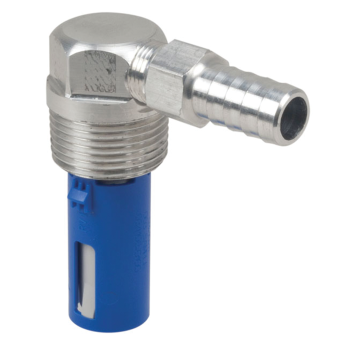
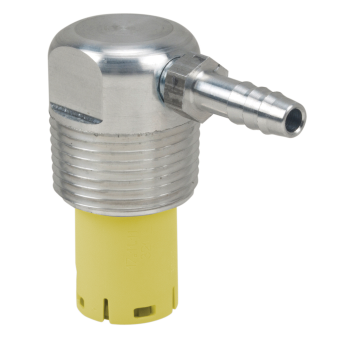
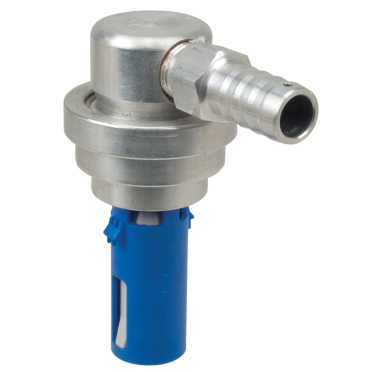
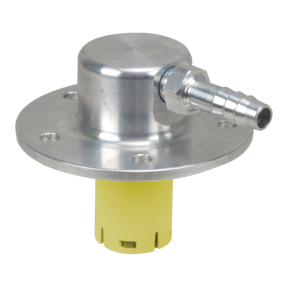
- Vents: Allow air to enter and exit the tank safely as fuel levels change, preventing dangerous pressure buildups or fuel starvation vacuums.
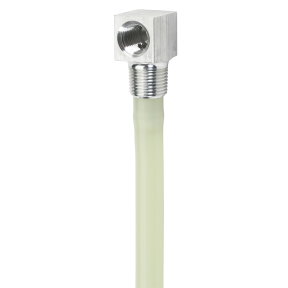
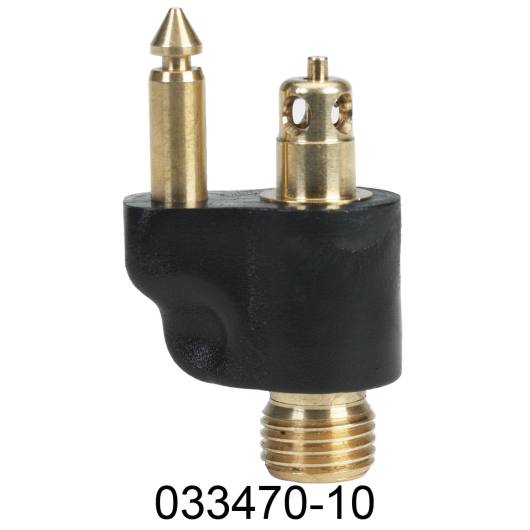
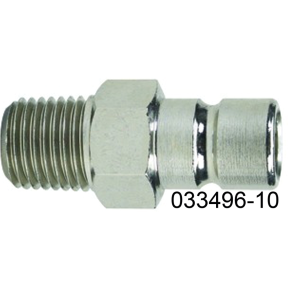
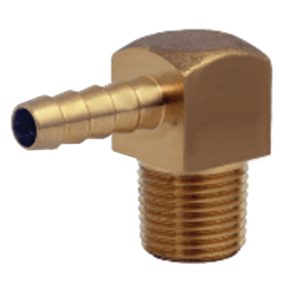
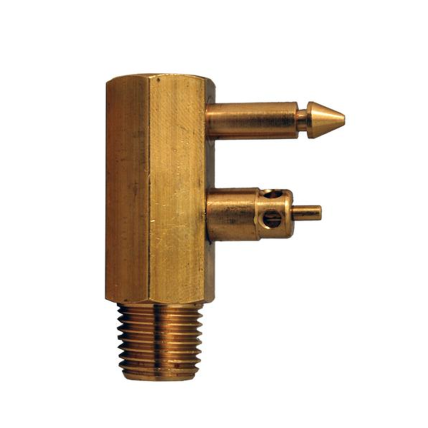
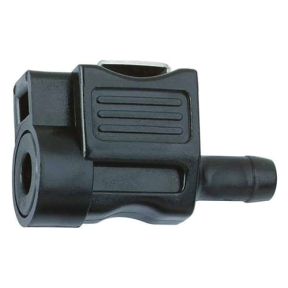
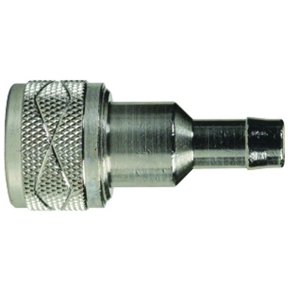
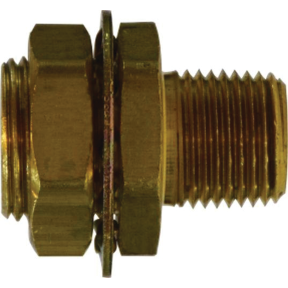
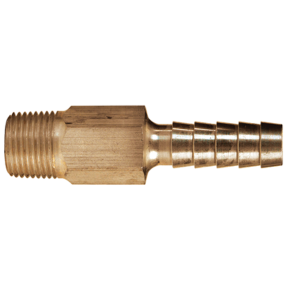
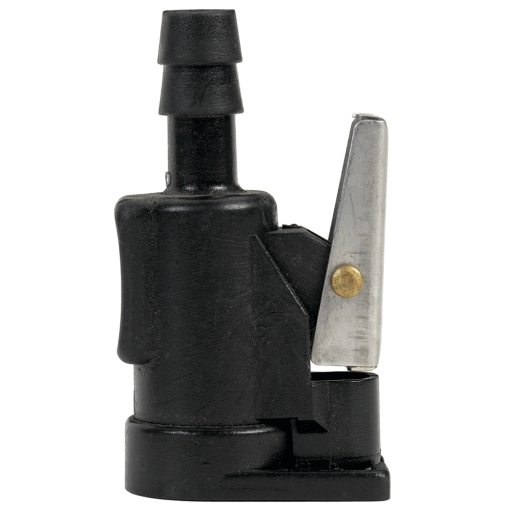
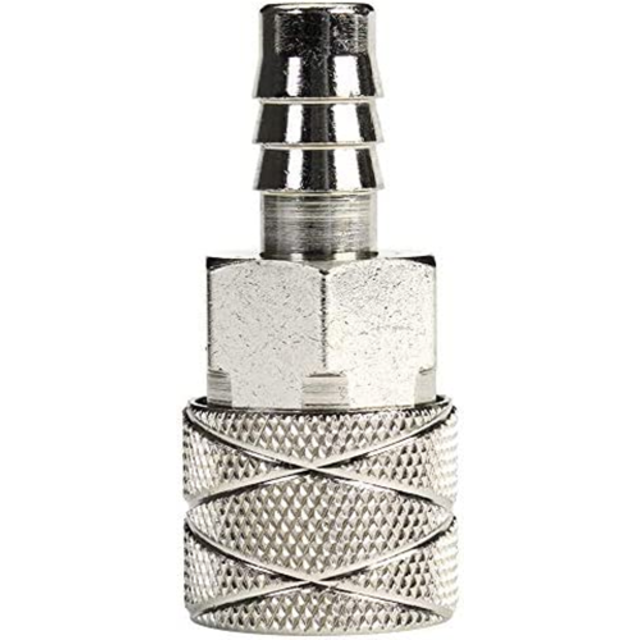
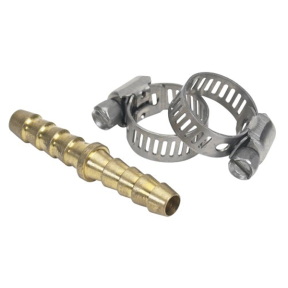
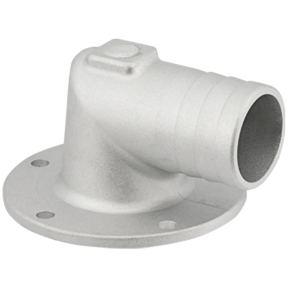
- Fill Hoses & Connection Fittings: Double-clamped, marine-grade, fuel-resistant hoses and brass or aluminum fittings are essential to prevent leaks.
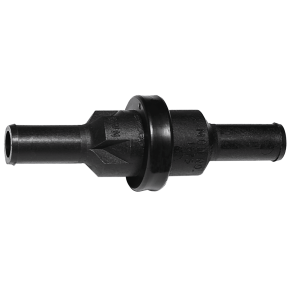
- Anti-Siphon Valves: A crucial safety device required on gasoline systems where fuel lines run lower than the top of the tank. It prevents fuel from siphoning out into the bilge if a fuel line ruptures downstream.
Maintenance & Monitoring
Regular maintenance is key to the longevity and safety of your marine fuel system. Periodically inspect your tank for physical wear, corrosion pits, or mounting bracket slack. Worn-out components, particularly cracked fuel lines and loose connection fittings, should be replaced immediately. Keeping spare fuel filters and marine-grade O-rings on hand is a proactive measure that saves you from fuel starvation issues on the water.
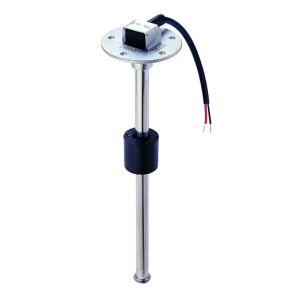
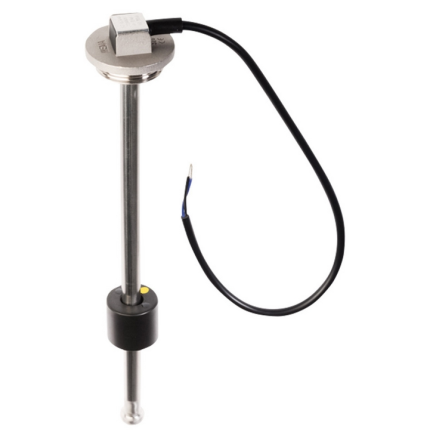
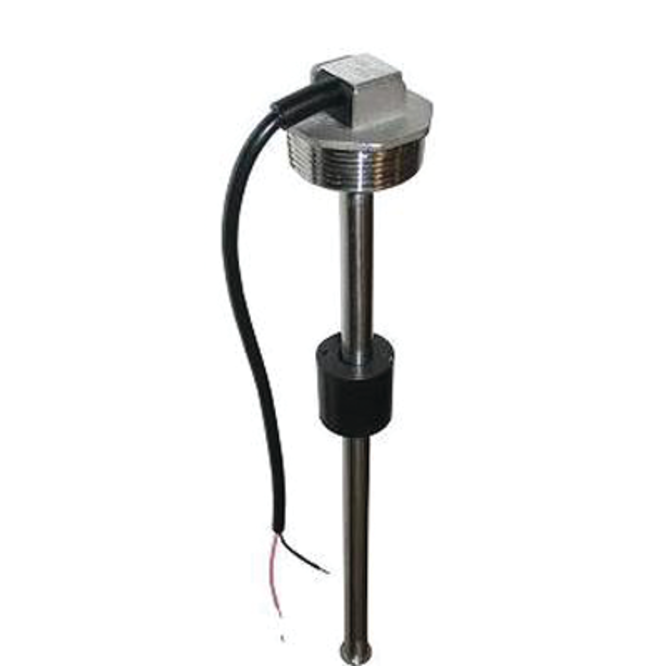
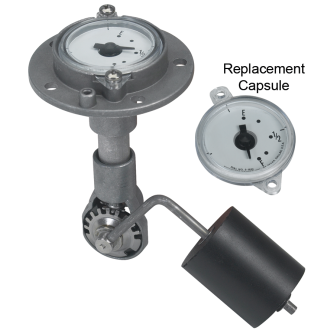
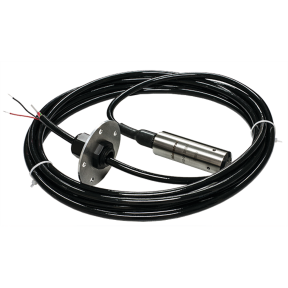
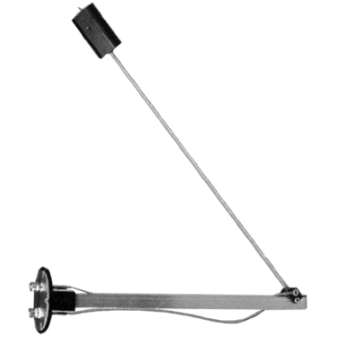
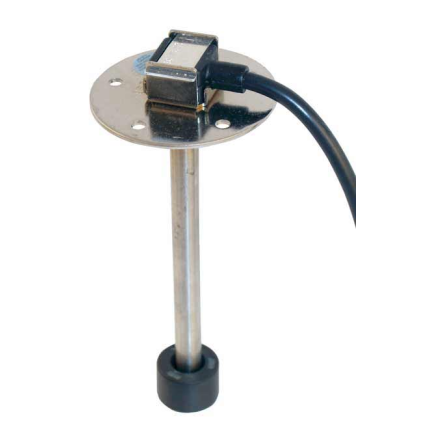
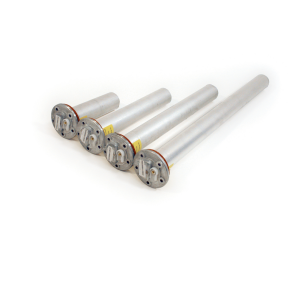
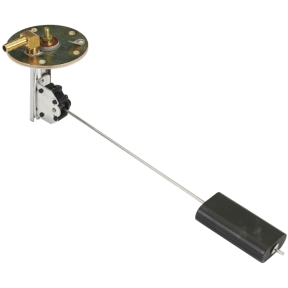
To ensure you never run out of fuel unexpectedly, install a standard boat fuel sending unit (typically matching American 35-240 ohm or European 10-180 ohm gauge standards). This device works with a corresponding helm gauge to provide an accurate, real-time display of your remaining fuel volume.