Epoxy Safety Tips You Need to Know
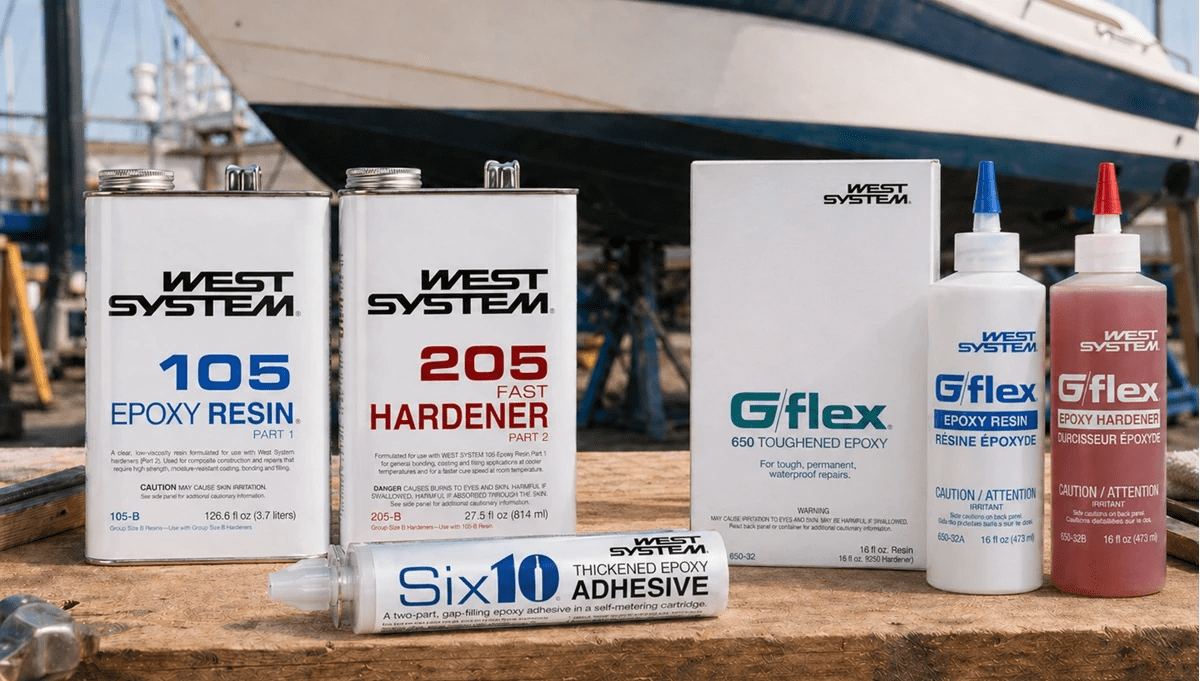
If you own a boat, it's highly likely that you'll need to work with epoxy and fiberglass cloth at some point or another as it is one of the most useful materials for repair and construction. However, before you use epoxy, it is critical to take some basic steps to protect yourself - exposure to unhardened epoxy can have serious short and long-term health consequences. Below, we outline some information on working with epoxy safely.
Key Takeaways: How to Work With Epoxy Safely
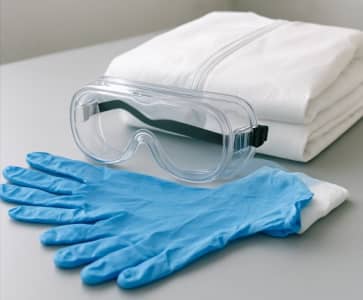
- Always wear PPE. Use nitrile gloves, safety goggles, and a protective coverall whenever handling epoxy resin or hardener to prevent skin contact and eye exposure.
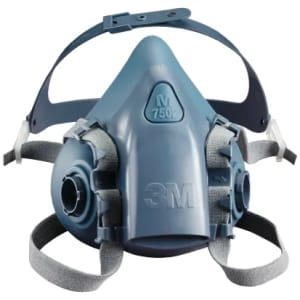
- Use a quality respirator. Epoxy fumes and sanding dust pose serious inhalation risks, especially in confined spaces. Always wear a cartridge-type respirator, and note that partially cured epoxy dust remains hazardous for up to two weeks after application.
- Control heat when mixing. Mixed epoxy in a deep container can generate dangerous heat, potentially melting the container or releasing toxic vapors.
- Ensure adequate ventilation. Work in well-ventilated areas and maintain airflow for 24–72 hours after application until the epoxy is fully cured and odor-free.
- Clean up spills carefully. Use a scraper and absorbent towels for spills; contain large spills with sand, clay, or cat litter — never sawdust. Clean resin residue with acetone or lacquer thinner (on surfaces only, not skin).
- Dispose of epoxy responsibly. Fully cured epoxy can typically be disposed of as non-hazardous solid waste, but always check local regulations and follow all product label directions.
- Know your emergency procedures. For skin contact, wash with soap and water. For eye exposure, rinse for at least 15 minutes. For fume inhalation, move to fresh air immediately and seek medical attention if symptoms persist.
Understanding the Types of Epoxy and Related Resins
Skin Protection
The first rule in working safely with epoxy is to keep it off your skin. Even minor contact can cause dermatitis (inflammation) or a more dangerous allergic reaction (sensitization). Once sensitized, further exposure to resin, hardener, their fumes, or even sanding dust from partially cured epoxy can bring on a reaction – and this lasts for the rest of your life! To make sure this does not happen to you, wear neoprene or quality nitrile gloves when working with epoxy. When cleaning up, you may need to switch to heavier solvent-proof gloves as neoprene and nitrile gloves may not withstand cleanup solvents such as acetone or, especially, lacquer thinner.
- Resin is not water soluble – so you will need to use a waterless skin cleanser to remove resin or mixed epoxy from your skin. Some people have also had luck using white vinegar if you are looking for a more “natural” cleaning solution.
- Hardener is water soluble – so you can wash with soap and warm water to remove hardener from your skin.
Even if you avoided getting anything on your skin, it's still important to wash off with soap and warm water after working with epoxy – showering is even better! Remove the clothes you've been using and if you have spilled epoxy on them, change immediately to avoid skin contact. Even partially cured epoxy on your work clothes can be a skin hazard with repeat exposure. Avoid wearing contaminated clothing from a previous work session by using inexpensive, disposable coveralls.
Remember that the more often you are exposed, the more likely you are to develop a problem. It's worth noting that you should never use solvents to remove resin or mixed epoxy from your skin as they can transport toxic components into your bloodstream. Always use a waterless skin cleaner instead.
Inhalation Risks
Extreme caution should also be used when sanding partially cured epoxy. Although epoxy is firm enough to sand within two hours, the curing process may not complete entirely for up to two weeks. Until then, sanding dust may contain unreacted hazardous components which can be inhaled or settle on your skin.
Do not overlook or underestimate this health risks hazard. Always wear a cartridge-type or hooded powered respirator when sanding recently applied epoxy. Dust from fully cured epoxy, however, is inert and is only considered a nuisance dust.
Mixing Safety
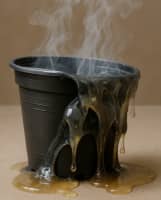
To prevent the mixed epoxy from getting too hot, transfer it from the mixing pot to a wide, shallow container. If you have unused epoxy after the job is done, make sure to monitor the batch – ensuring you have adequate ventilation and that you don't leave solvent-filled rags nearby while you wait for it to cure for disposal.
Workshop Safety
Make sure you have good ventilation, especially when working in confined spaces – such as boat interiors. If ventilation is inadequate, wear a respirator with an organic vapor cartridge. It's best to clean up spills with a scraper, then absorbent towels. Use sand, clay, or cat litter to contain large spills. DO NOT use sawdust, as a fire hazard may result. Clean up resin or mixed epoxy residue with acetone, lacquer thinner, or denatured alcohol (but never on your skin). Clean hardener spill residue with warm soapy water.
Disposal of Leftover Resin and Hardener
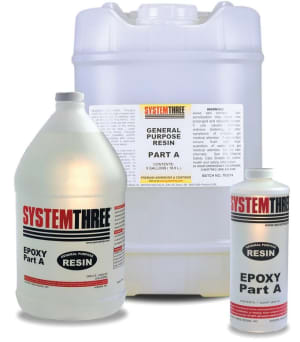
When worked with properly, epoxy can fix or build a lot of things – so don't let these warnings scare you off. Just make sure that you follow the simple resin safety precautions and recommendations above and use best practices along with good common sense. Use quality personal protective equipment (PPE) safety gear, work as cleanly as possible with adequate ventilation, and try your best not to get epoxy on your skin!
Emergency Procedures for Epoxy Accidents
In the event of an epoxy accident, knowing the correct emergency procedures can significantly impact the outcome. If skin contact occurs, promptly wash the affected area with soap and warm water. For eye exposure, rinse thoroughly with water for at least 15 minutes and seek medical attention if irritation persists. If epoxy dust or fumes are inhaled, move to fresh air immediately, and if symptoms develop, such as difficulty breathing or persistent coughing, seek medical attention right away.
It's crucial to have a first aid kit readily available and to ensure all individuals working with epoxy know the location of emergency equipment, such as eyewash stations. Understanding the health effects and hazards associated with epoxy can help you respond effectively in emergencies, ensuring both safety and swift recovery.
FAQs
Is there such a thing as non-toxic epoxy?
Yes, there are non-toxic epoxy options available on the market. Many brands now offer epoxy resins that are specifically formulated to be free of Volatile Organic Compounds (VOCs) and Bisphenol A (BPA). These formulations aim to minimize the release of harmful fumes during the curing process and reduce concerns about potential health risks associated with BPA. Always check product labels and choose brands that prioritize safety to ensure a healthier working environment while using epoxy materials.
How long should I ventilate an area after using epoxy?
Maintain ventilation for at least 24-72 hours after application, or until the epoxy is fully cured and no longer emits odors. As epoxy cures, the chemical ingredients react and can continue releasing vapors during this process.
What common mistakes do beginners make when working with epoxy that can lead to safety issues?
One common mistake beginners make when working with epoxy is underestimating the importance of protective gear, leading to skin irritation or respiratory problems. Another frequent error is inadequate ventilation; working in confined spaces without proper airflow can exacerbate the risks associated with inhaling fumes. Lastly, beginners often fail to follow mixing instructions meticulously, which can lead to improper curing and increased health hazards.
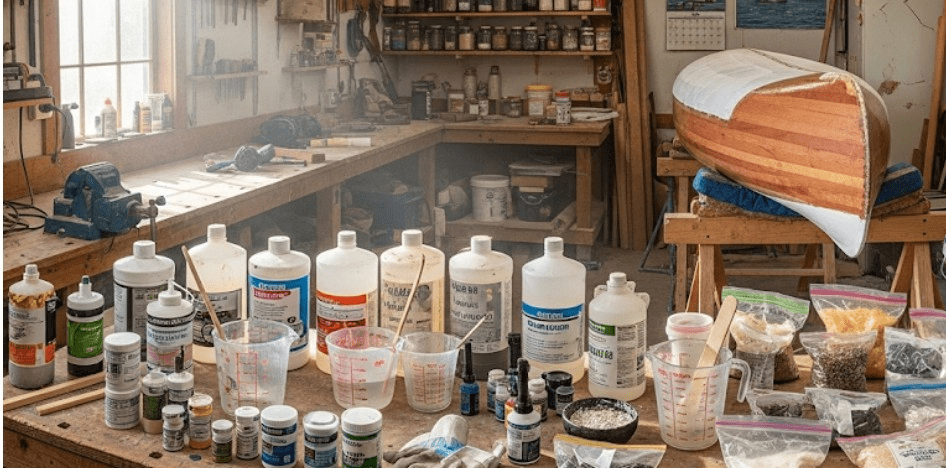
Fisheries Supply carries a large selection of epoxy products for your next big project - along with all the tools and chemicals you need to get started and to stay safe. We hope you've enjoyed this article, but if you have additional questions, please don't hesitate to contact our product experts at (800) 426-6930.