How to Use an Anchor Windlass: Essential Techniques

If you drag anchor during a blow, you may need several attempts to reset it, which involves retrieving the anchor each time. While dragging, your boat can drift uncontrollably toward other boats, the beach, or a reef. A windlass enables quicker retrieval, thereby reducing the risk of exhaustion.
Windlasses are meant to lift the anchor, not to pull up the whole seafloor. Even if rated for three times the weight of your anchor and chain, consider factors like strong wind and stubborn anchors stuck under a rock. Always use your engine to approach and break loose the anchor, securing the rode or chain stopper when necessary. Avoid using the windlass as a primary stress point; instead, use a cleat, chain hook, or properly installed chain stopper to manage the load.
Whether you've installed a new windlass or bought a new boat and are using one for the first time, here are some important tips on how to treat your horizontal or vertical windlass properly. When referring to “rode” below, we mean the chain and/or rope you have attached to your anchor. When referring to “scope,” we mean the amount of rode you intend to lay out between the anchor and your boat.
Key Highlights About Your Anchor Windlass
- Don't Use the Windlass for Pulling: Use your boat's engine to approach the anchor and break it loose from the seabed.
- Protect the Drive Shaft: Once anchored, always transfer the load from the windlass to a chain stopper or snubber to prevent bending the drive shaft under high wind or wave loads.
- Verify Compatibility: Ensure your chain wheel (gypsy) perfectly matches your anchor chain type and size to prevent constant jamming or "jumping".
- Manage the Fall Space: Make sure you have enough vertical "fall" distance in the chain locker to prevent the rode from piling up and causing jams.
- Select the Right Rode: Choose between all-rope, all-chain, or combination rodes based on your boat size, ensuring your windlass is equipped with the specific drum or gypsy required for that material.
- Safety First: Keep hands and loose clothing clear of moving parts, maintain a clear view of the bow during operation.
- Essential Electrical Protection: Always install a circuit breaker (ideally near the battery) to protect the motor from overheating and damage caused by excessive current.
- Perform Annual Maintenance: Check electrical connections for corrosion, and perform an annual service to extend the mechanical life of the unit.
Operation Techniques
-
After a long passage—especially a rough one—your rode may become a jumbled mess within the chain locker, making it much harder for the windlass to deploy the anchor chain. Before anchoring, make sure to look in the locker and reorganize your rode as needed for ease of deployment.
-
If lowering the anchor in “free-fall” mode (by manually loosening the clutch mechanism), make sure you have good control of the speed at which the anchor and rode are deploying and can easily stop it at the right time without jumping the gypsy or capstan – which can take some practice! Using this method in deep waters is NOT recommended, as the chain's overall weight can quickly overcome your ability to stop its deployment when using the free-fall technique.
-
When starting to anchor, as your intended scope is playing out (assuming you are not using the free-fall option), make sure you are not reversing the boat too quickly, putting undue pressure on the windlass. Backing the boat slowly will help orient the anchor correctly as it descends, so it will hit the bottom ready to be set.
-
After you've released the amount of scope you intend to use, but before testing the set of your anchor, deploy a chain stopper or snubbing device to put the testing pressure on the boat, not the windlass. Secure the snubber to a strong deck cleat.
-
Once you are certain the anchor is set and have finished the process of anchoring, if you haven't already (during testing) – deploy a chain stopper or snubber. This transfers the load of lying at anchor to the structural part of the boat instead of the windlass. This is critical if you get caught in a bad anchorage with higher winds and waves, as the drive shaft of the windlass can be bent under the higher loads if not properly snubbed.
-
When beginning the anchor recovery process, it is a good idea to use the engine to move the boat forward to start retrieving the rode. Do not use the windlass to move the boat forward, as it puts too much pressure on the unit, especially when fighting wind or waves.
-
When ready to break the anchor free from the seabed, use the engine or wave action to help, not the windlass.
-
When done up-anchoring, secure your anchor to the bow to avoid accidental deployment while underway or the anchor banging on the hull, especially if you are doing a longer passage or if you are experiencing high wind or rough wave action.
-
If you buy a new manual or electric windlass or anchor chain, make sure you buy the proper chain wheel so that your windlass matches the chain. These tend to be very finicky; if they don't match, you will have constant chain jumping or jamming issues.
-
During windlass installation or when replacing your rode, make sure you have enough “fall” space between the deck and where the rode will be stored, especially if you are installing an electric windlass with the motor and gearbox inside the chain locker. If you are using rope, you need to have almost twice the fall distance, as the additional drop is needed to avoid the chance of the rope piling up and causing jams.
-
If the anchor windlass is controlled from the helm at the push of a button or from a sailboat cockpit, make sure you have a clear view of the bow.
-
If at all possible, boaters should cover the windlass when it's not in use and crank it periodically if it's not used for long periods to re-distribute the lubricating oil in the gears. This general rule applies whether using a vertical or horizontal windlass on a powerboat or a sailboat.
-
Periodically check the windlass electric motor and on/off switch for corrosion and ensure a circuit breaker is installed in the windlass wiring (preferably close to the battery) to ensure the breaker will trip in the event of unexpected excessive current flow.
-
Your anchor windlass is a mechanical device, and performing the recommended annual maintenance will save your windlass from an early death, especially with frequent usage. It's easy and quick, and you'll be glad you did if you get into a hairy situation!
Don't Hit The Hull
When operating a windlass, it's crucial to be cautious and avoid hitting the hull of the boat. Collisions can occur if the anchor is deployed too quickly or if the windlass is engaged without proper control. Such impacts can cause damage to the boat's structure or the windlass itself. To prevent this, always maintain a steady and controlled speed when lowering or raising the anchor. By being mindful of the windlass's operation and the boat's positioning, you can ensure safe anchoring while protecting your vessel's hull from unnecessary harm.
What Type of Rode?
All-rope rodes, most frequently used on smaller boats, require windlasses with drums designed for rope. These are similar in appearance and operation to a sheet winch on a sailboat; the drum hauls in the line wound around the drum. Self-tailing is a feature designed to prevent your line from becoming a massive pile of "spaghetti" on your deck, making it particularly useful with all-rope rodes. A self-tailing feature also frees up your hands because you don't have to stand there tailing the line. 8-plait anchor lines will coil better in the anchor well than traditional nylon 3-strand twisted lines. They also have less tendency to "kink".
All-chain rodes, often favored by larger cruising boats, are handled by all-chain wheels. A self-tailing feature on a chain wheel would be superfluous as the weight of the anchor chain peeling off the wheel will cause the rode to stow itself and the chain, if properly sized for the chain wheel, will be pulled along by the cogs in that wheel. However, a well-working chain stripper is critical.
Combination rope/chain rodes are very popular because the length of the anchor chain (the more, the better) lends a lot of holding power to the anchor, and the rope keeps the overall weight of the ground tackle down. Windlasses
that handle rope/chain rodes use either a rope drum 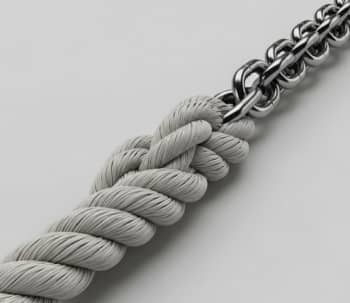
Common Issues with Electric Windlasses
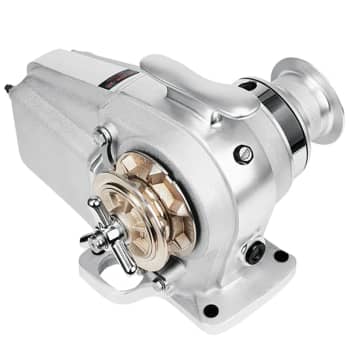
Electric windlasses are a popular choice among boaters for their ease of use and efficiency. However, like any mechanical system, they can encounter issues that may hinder their performance. Common problems include electrical failures, which may stem from faulty wiring, a dead battery, or issues with the control switch. It's crucial to perform regular inspections and maintenance on these systems to ensure they are functioning correctly.
Another frequent issue is the motor's failure to engage properly, which can often be attributed to wear and tear on the internal components. This can lead to a lack of power when attempting to retrieve the anchor, making it essential for boaters to familiarize themselves with their windlass's operational mechanics. By understanding these common issues, boaters can take proactive measures to maintain their electric windlass and ensure reliable performance when it matters most.
Issue #1: Your Electric Anchor Windlass Won’t Run in Either Direction
A likely cause for an electric anchor windlass not running in either direction is a loss of power in the circuit, which could be due to a tripped circuit breaker, blown fuse, broken battery cable, or poor connections. The remedy is to check the circuit breaker or fuse, verify battery voltage, inspect all wiring connections, and ensure the protection switch is in the ON position.
Issue #2: Your Electric Anchor Windlass Will Run in Only One Direction
If your electric anchor windlass runs in only one direction, the most likely cause is a faulty solenoid, switch, or wiring for the non-functioning direction. You can reverse the wiring to test if the windlass motor will run in the direction that previously did not work. This is a standard diagnostic step for simple DC motors, as reversing the polarity reverses the direction of rotation. However, this only works if the windlass motor is designed for bidirectional operation.
Check and clean all connections, test the switch and solenoid for that direction, and if necessary, replace the faulty component to restore full operation.
Issue #3: Your Electric Windlass Motor is Running, but the Chainwheel Doesn’t Turn
A common cause for this issue is a loose clutch adjustment, allowing the motor to run while the chainwheel spins independently and does not drive the anchor rode. The remedy is to tighten the clutch nut according to the manufacturer's instructions, ensuring proper engagement between the motor shaft and chainwheel. If the clutch is tight and the problem persists, there may be internal gear damage requiring professional inspection or repair.
Issue #4: Your Electric Windlass Motor Runs, but not at Full Strength
A potential cause for your electric windlass motor running but not at full strength is inadequate electrical power reaching the motor, often due to weak or undersized batteries, undersized or corroded cables, or loose connections. The remedy is to check and recharge or replace the batteries, inspect and clean all cable connections, and ensure cables are of the correct size and in good condition. If the problem persists, inspect the motor brushes for wear and replace if necessary.
Frequently Asked Questions
Can I use a winch to pull an anchor?
Yes, you can use a winch to pull an anchor if your windlass fails. If your windlass is out of service, you can attach a line (or use a chain hook) to the anchor chain and lead it to a winch, either manual or electric, to retrieve the anchor and rode. This method is often done in increments, securing the line or chain each time to make progress, and is a practical solution for emergency anchor retrieval.
Do I need a circuit breaker for my electric windlass?
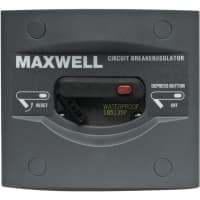
Yes, it is essential to have a circuit breaker installed for your electric windlass. A circuit breaker protects the windlass motor from overheating and potential damage caused by excessive current flow. In situations where the anchor becomes stuck, the windlass can exert tremendous force that could lead to mechanical failure. The circuit breaker acts as a safety measure, shutting off the power supply in such scenarios. Additionally, it also helps prevent damage to the deck or hull of the boat, as the windlass can generate significant torque. Regularly checking and maintaining the circuit breaker ensures that your electric windlass operates smoothly and safely, contributing to a worry-free anchoring experience.
What are the safety considerations when using a windlass?
When using a windlass anchor, prioritize safety by ensuring that the equipment is properly maintained and securely mounted. Always wear appropriate clothing (nothing that can get caught in the gear), keep the deck clear of obstacles, and familiarize yourself with emergency procedures. Keep your hands clear of the windlass and chain at all times—especially if the chain gets jammed—to prevent serious injury. Additionally, communicate with your crew to avoid accidents.

If you follow these recommendations, we are sure your windlass will live a long and productive life, especially when you need it the most. For more information on this topic, see our article on Selecting a Windlass, or feel free to contact our product experts at (800) 426-6930.