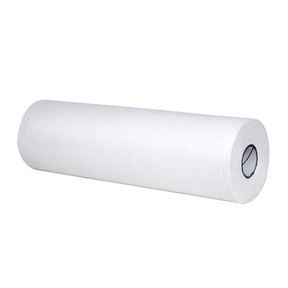
Boat Paint Protection Film & Surface Protection Supplies
At a Glance
- Polyurethane PPF with clear topcoats provides abrasion, stain, and UV resistance; many films feature heat-activated self-healing for fine scratches.
- Reduces gelcoat oxidation risk by limiting UV exposure and wear on high-traffic zones. Gelcoat naturally oxidizes without protection or maintenance.
- Marine-ready options from leading brands (e.g., XPEL) are marketed for salt, sun, and splash environments.
- Fisheries Supply advantage: large in-stock selection, commercial accounts, and nationwide & international shipping for fast project fulfillment.
What Is Marine Paint Protection Film (PPF)?
Marine PPF is a clear, conformable thermoplastic polyurethane film with a protective topcoat that bonds to finished surfaces to absorb minor impacts and resist UV, stains, and discoloration. Manufacturer bulletins describe resistance to weathering, stains, shrinkage, and elongation—attributes important for boats exposed to sun and spray.
Several marine-focused solutions are promoted for saltwater, UV, and abrasion around decks, transoms, and hardware.
Benefits of Marine Paint Protection Film
- Durability & clarity: Polyurethane base with clearcoat maintains gloss and transparency while resisting chips and stains.
- Self-healing topcoats: Light scratches can dissipate with heat activation, helping surfaces stay “like new.”
- UV mitigation: UV is a principal driver of gelcoat oxidation; shielding and maintenance slow the process.
- Lower upkeep: By absorbing scuffs and dock rash in high-touch zones, PPF can reduce compounding and polishing frequency.
Materials & Technology
- thermoplastic polyurethane (TPU), polyurethane clearcoat, pressure-sensitive adhesive (PSA), self-healing
- UV radiation, gelcoat oxidation, abrasion, stain resistance
- transom, gunwales, boarding areas, console & dash, engine cowling, hatch lids
- 3M, XPEL, BoatUS, NOAA/UNEP
Masking & Surface Protection Supplies (What We Stock)
Masking Supplies
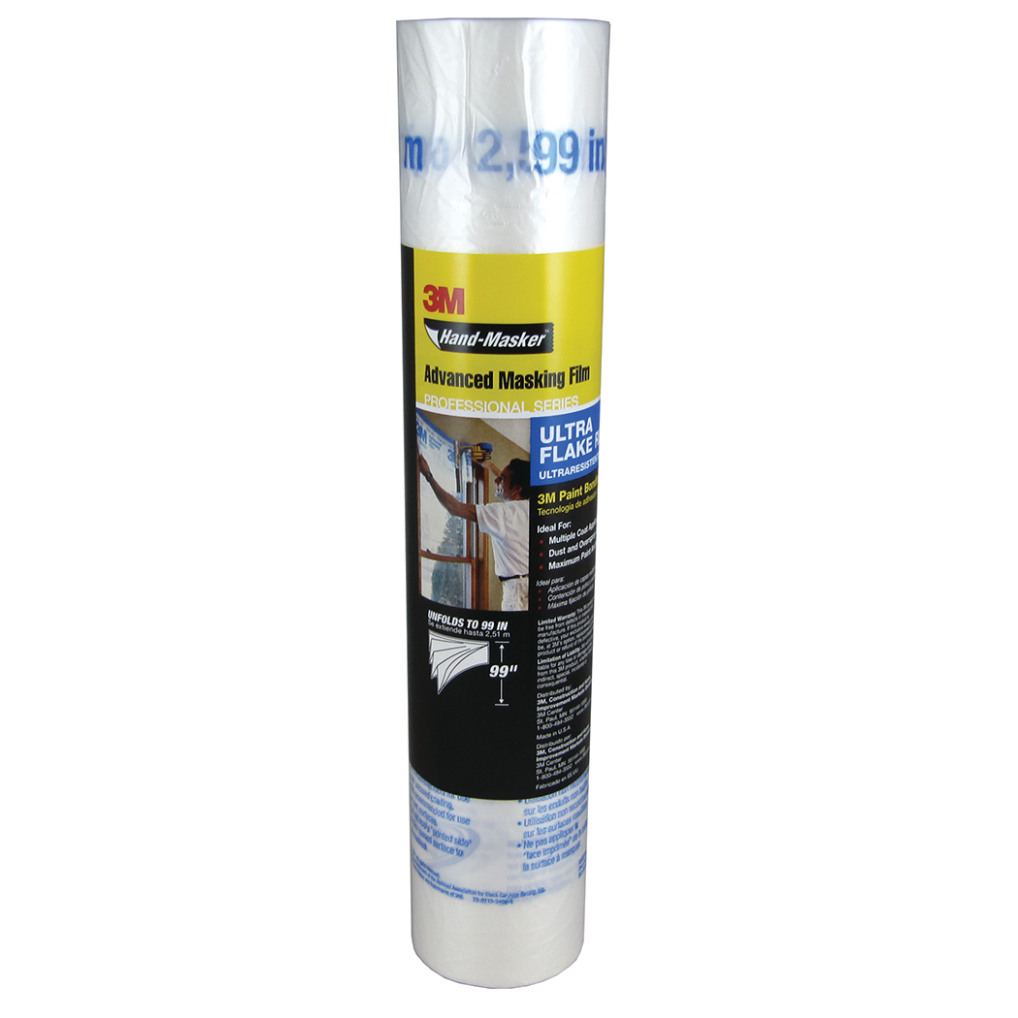
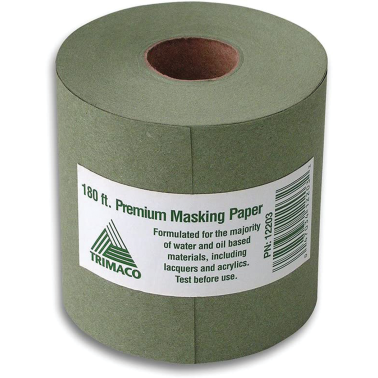
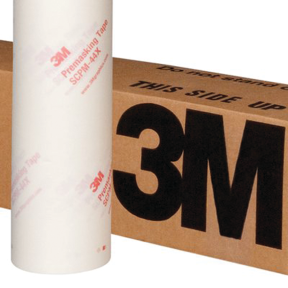
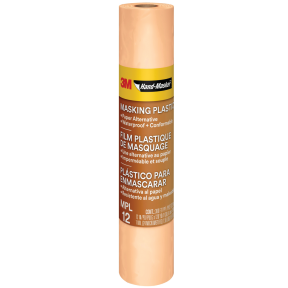
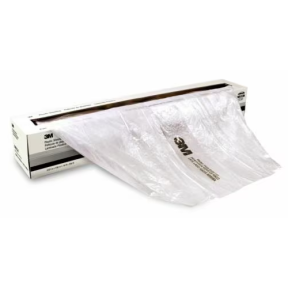
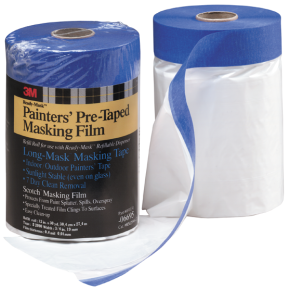
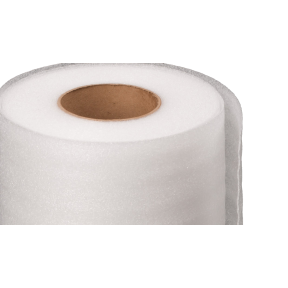
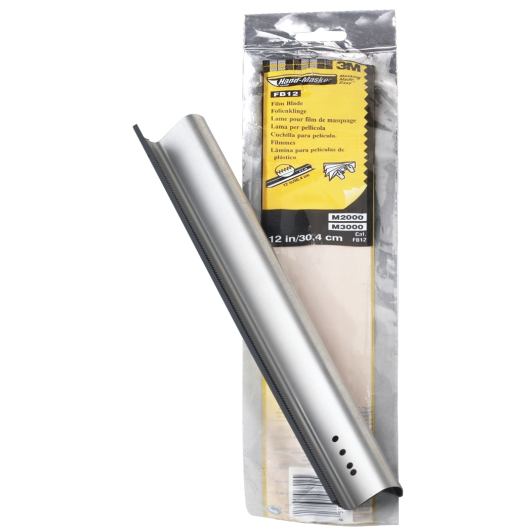
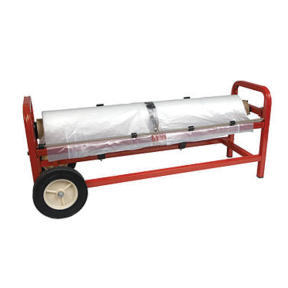
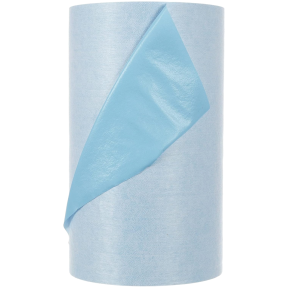
- Adhesive-Backed Masking Film — Clean-removal film to shield adjacent areas during painting or surface prep.
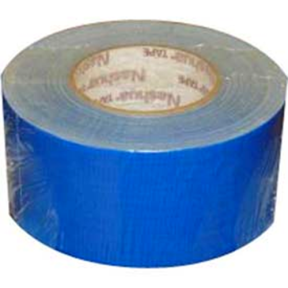
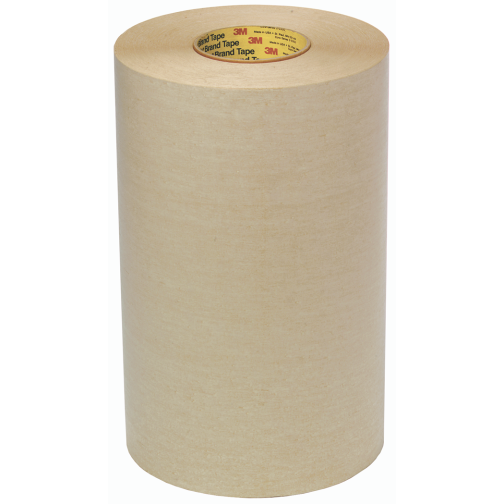
- Protective Tapes — Durable tapes to guard edges, hardware, and walkways during maintenance.
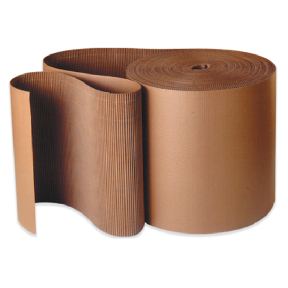
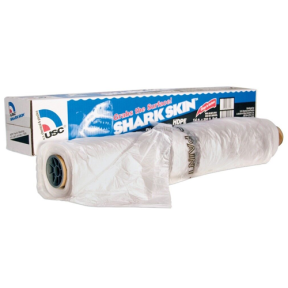
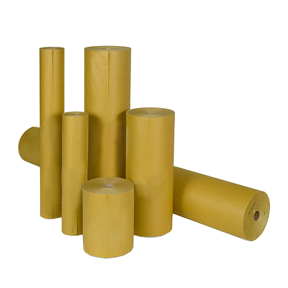
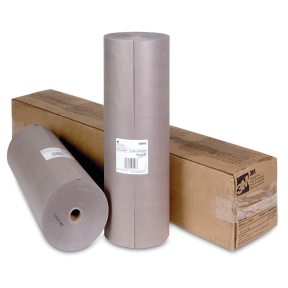
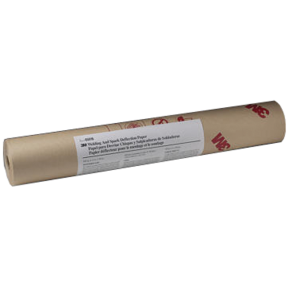
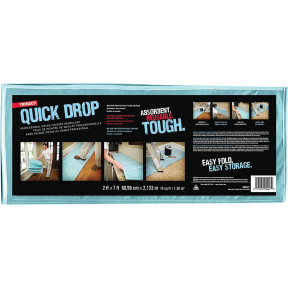
- Plastic or Cardboard Sheeting — Quick coverage for large areas to keep debris and overspray off finished surfaces.
Surface Protection Products
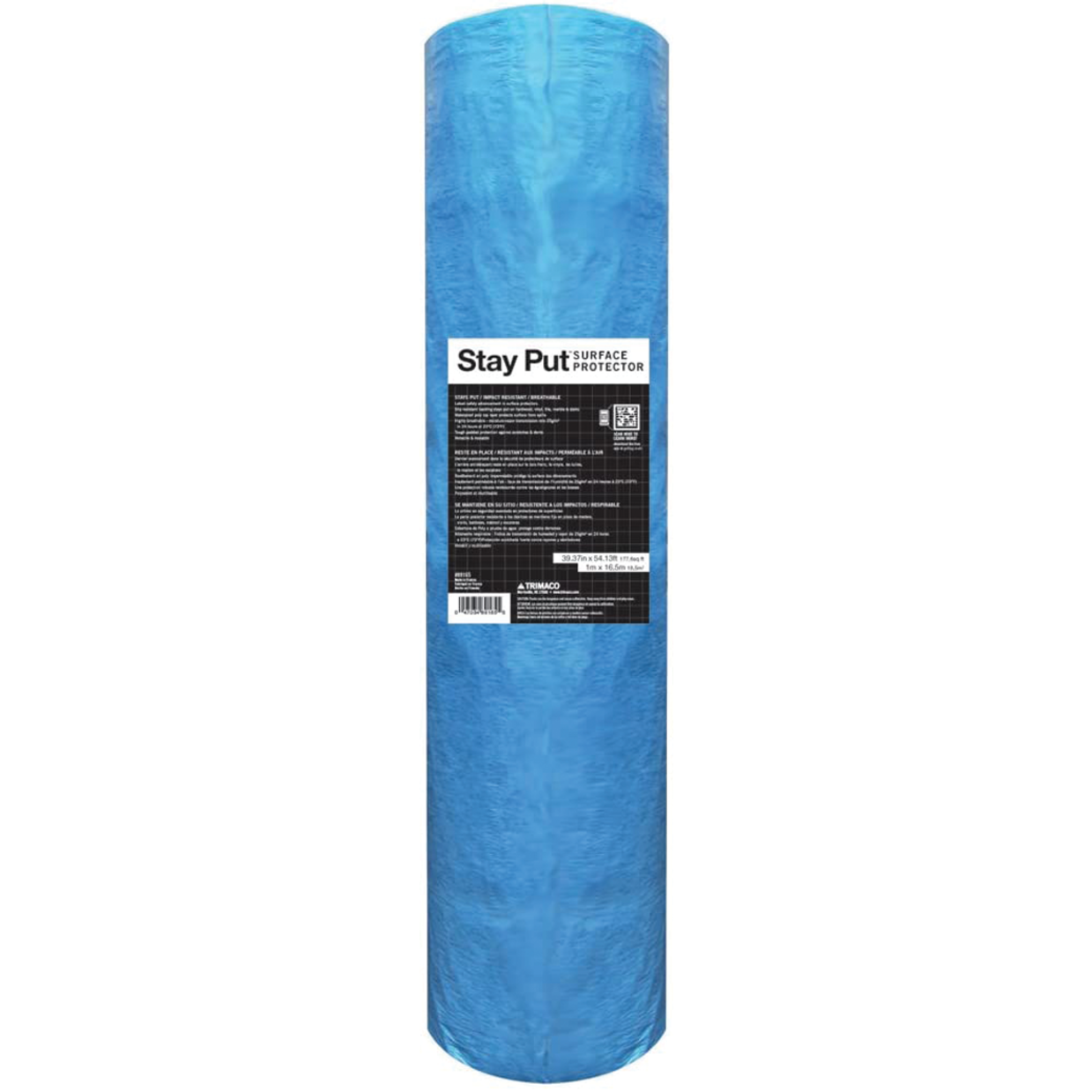
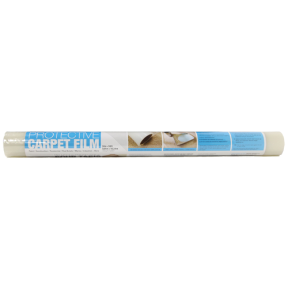
- Protective Films (PPF) — High-performance barrier against scratches, UV, stains, and environmental contaminants.
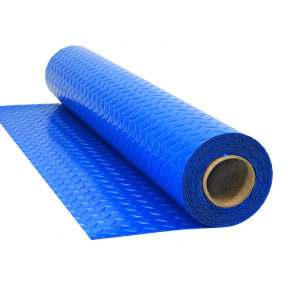
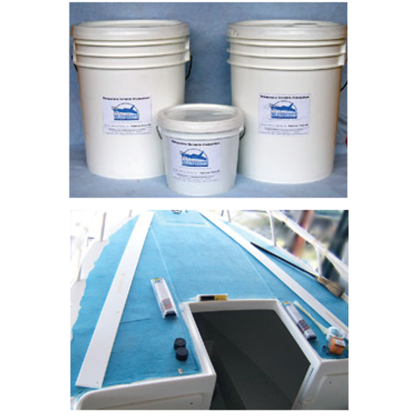
- Non-Skid Coatings — Improve safety while protecting high-traffic decks.
- Keel Guards — Reinforce contact zones against docks and rocky shores; common on inflatable dinghies.
Tip: Choose film thickness and optical clarity based on exposure and visibility needs; thicker films absorb more abuse but require careful application.
How to Select the Right Marine Protection Film
- Thickness & Construction: Common marine/automotive PPF stacks pair a TPU base with a clearcoat and acrylic PSA; check technical bulletins for UV/weathering resistance.
- Optical Clarity: Use high-clarity films in visible areas (topsides, consoles); matte options can reduce glare.
- Environment: Salt, high UV index, and warm climates accelerate wear; select films with strong outdoor weathering performance.
Installation & Care
- Preparation: Wash and decontaminate surfaces; address oxidation first (compound/polish as needed) to ensure adhesion and optical quality.
- Application: Small, flat sections suit experienced DIYers; complex curves and large panels are best left to certified installers.
- Maintenance: Gentle wash, avoid demanding solvents; inspect edges periodically. PPF complements (does not replace) good UV-care routines.
Shop Surface Protection at Fisheries Supply
Shop for marine protection tape and floor coverings now, or browse our full complement of marine tapes.