Marine Watermakers and Boat Desalination Systems
Marine watermakers convert seawater into freshwater for cruising boats, liveaboards, passagemakers, yachts, and commercial vessels. Compare reverse osmosis watermakers, manual backup units, replacement filters, membranes, and system accessories based on water output, electrical supply, installation space, and cruising plans.
How a Marine Watermaker Works
A marine watermaker draws seawater through a strainer and pre-filters before a high-pressure pump sends it across a reverse osmosis membrane. The membrane separates product water from concentrated brine. An inline total dissolved solids meter, commonly called a TDS meter, helps operators check freshwater quality before directing it to a potable-water tank.
Marine Watermaker Types and Use Cases
| Watermaker Type | Primary Use Cases | Features and Considerations |
|---|---|---|
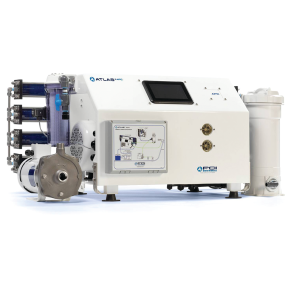
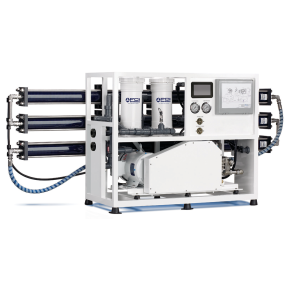
| Electric Reverse Osmosis Watermakers | Full-time cruisers, liveaboards, long-range yachts, and commercial vessels requiring dependable daily freshwater production. |
|
| Manual and Low-Power Watermakers | Emergency kits, liferafts, minimalist sailboats, and vessels with limited electrical capacity. |
|
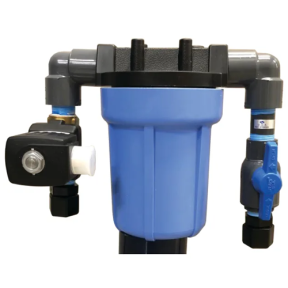
| Watermaker Parts and Accessories | Intake protection, water treatment, quality monitoring, and routine system maintenance. |
|
How to Choose a Boat Watermaker
- Calculate daily demand: Estimate drinking, cooking, washing, and shower water for every person aboard.
- Choose an output rate: Match gallons per hour or gallons per day to daily consumption, operating time, and tank capacity.
- Review electrical capacity: Compare the system’s DC or AC requirements with the vessel’s batteries, alternator, solar array, inverter, or generator.
- Measure installation space: Account for pumps, membranes, filters, controls, plumbing runs, ventilation, and maintenance access.
- Consider cruising conditions: Offshore passages and remote anchorages may require more output and redundancy than coastal trips with regular freshwater access.
| Selection Factor | What to Review | Why It Matters |
|---|---|---|
| Freshwater output | Gallons per hour, gallons per day, crew demand, and operating schedule | Determines whether production can keep pace with onboard consumption. |
| Power supply | 12-volt DC, 24-volt DC, or AC | Connects system selection to the vessel’s available electrical capacity. |
| System layout | Modular, framed, or enclosed configuration | Affects mounting options, plumbing routes, and service access. |
| Cruising profile | Coastal cruising, ocean passages, liveaboard use, or commercial operation | Influences production needs, operating frequency, and redundancy. |
| Maintenance access | Filter housings, membranes, pumps, valves, and control panels | Supports faster inspection, cleaning, and component replacement. |
Marine Watermaker Brands and Models
| Brand and Model | System Format | Typical Application |
|---|---|---|
| FCI WaterMakers Atlas+ and Aquamiser+ | Automated reverse osmosis systems with marine controls | Long-range yachts and light commercial vessels |
| US Watermaker Clearwater and Island Explorer | Configurable modular watermaker systems | Recreational and semi-commercial boats |
| Katadyn PowerSurvivor 40E | Compact 12-volt DC reverse osmosis unit | Small boats and crews with limited installation space |
Installation and Maintenance Essentials
- Flush the system: Perform freshwater flushing after operation and pickle the watermaker for extended storage according to the manufacturer’s instructions.
- Inspect pre-filters: Replace clogged or contaminated elements before restricted flow damages performance.
- Protect the membrane: Follow approved cleaning, preservation, and replacement procedures for the installed RO membrane.
- Monitor product water: Check TDS readings, taste, and odor before transferring freshwater to the vessel’s tank.
- Plan for service: Leave working space around filters, pumps, membranes, valves, and electrical connections.
Read Choosing a Watermaker for additional system-selection guidance.
Marine Watermaker Selection Support
Fisheries Supply carries marine reverse osmosis systems, replacement membranes, strainers, filters, seals, and service kits. For help comparing water output, DC and AC power requirements, installation layouts, or replacement parts, call Fisheries Supply at (800) 426-6930.
Frequently Asked Questions About Marine Watermakers
What size marine watermaker do I need for my boat?
Choose a marine watermaker that can replace the freshwater your crew uses each day within the planned operating window. Calculate drinking, cooking, washing, and shower demand, then compare gallons per hour, tank capacity, available power, passage length, and the number of people aboard.
Can a boat watermaker run without a generator?
Yes, many compact boat watermakers operate on 12-volt or 24-volt DC power without a generator. The vessel still needs adequate battery capacity and a suitable charging source, such as an alternator or solar array. Higher-output AC watermakers may require an inverter or generator.
How often should a marine watermaker be flushed?
A marine watermaker should receive a freshwater flush after operation according to its manufacturer’s instructions. If the system will remain unused for an extended period, the membrane may require approved preservation chemicals and a storage procedure commonly called pickling. Service intervals vary by model and feed-water conditions.
What does a TDS meter measure in a watermaker?
A TDS meter measures total dissolved solids in the freshwater produced by a reverse osmosis watermaker. The reading helps operators assess membrane performance and decide whether product water is suitable for the potable-water tank. Follow the watermaker manufacturer’s specified acceptance range for the installed system.
Can I install a reverse osmosis watermaker myself?
A boat owner with marine plumbing and electrical experience may be able to install a modular reverse osmosis watermaker. The work includes seawater intake plumbing, brine discharge, product-water routing, electrical protection, controls, and service access. Complex AC or integrated systems may call for a qualified marine installer.
What watermaker parts need routine replacement?
Sediment pre-filters and carbon filters are common routine replacement items in marine watermakers. RO membranes, seals, pump components, and service-kit parts may also require cleaning or replacement as operating hours accumulate. Use the model-specific maintenance schedule because intervals depend on seawater quality, system use, and storage practices.