

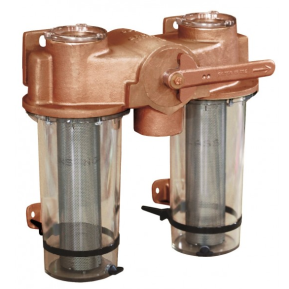
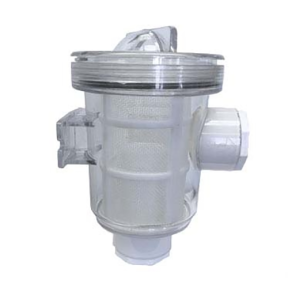
Marine Raw Water Strainers for Boat Intake Systems
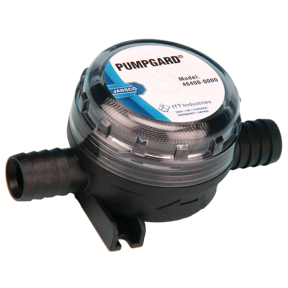
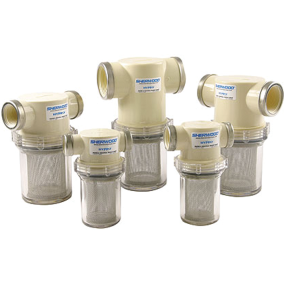
Marine raw water strainers filter weeds, shells, and other debris from seawater before it reaches an engine cooling pump or onboard water system. This category is for boat owners comparing sea strainers by hose size, flow capacity, material, service access, and system compatibility.
What Does a Marine Sea Strainer Do?
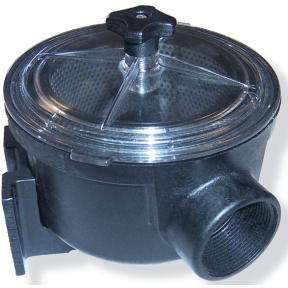
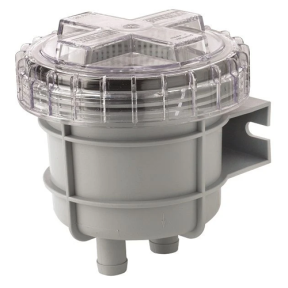
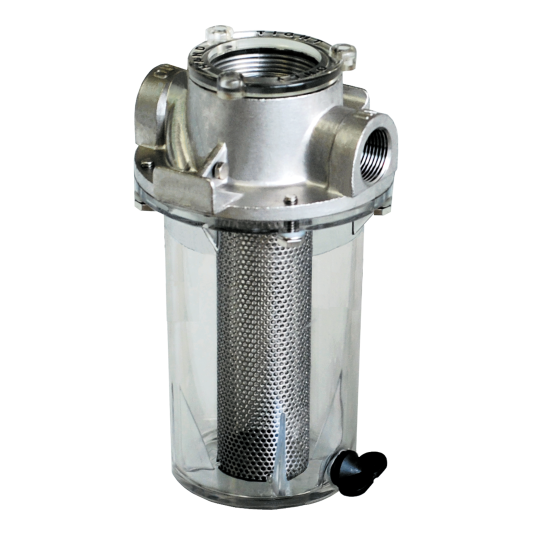
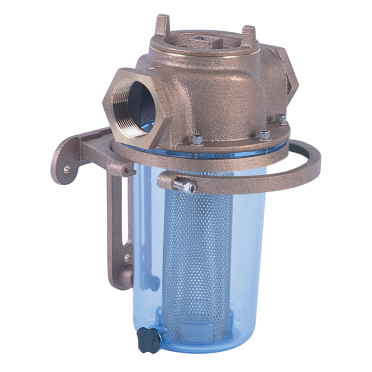
A sea strainer is installed on the suction side of a raw water system, downstream from the hull seacock and upstream from the pump. The removable basket traps debris before seawater enters an engine heat exchanger, marine air conditioner, washdown pump, saltwater toilet, or utility water circuit.
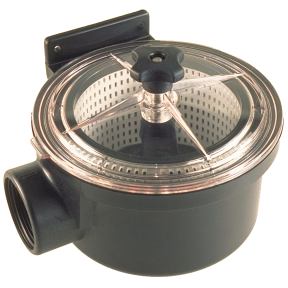
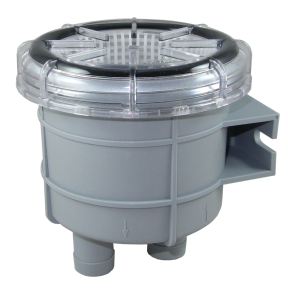
Clean intake water supports steady cooling flow, reduces pump wear, and limits blockages in hoses and heat exchangers. A visible bowl can also make debris buildup and suction-side air leaks easier to identify.
Common Raw Water Strainer Applications
- Inboard and sterndrive engine cooling systems
- Direct raw water cooling and heat-exchanger cooling circuits
- Marine air-conditioning water intakes
- Boat washdown pumps and deck rinse systems
- Galley and utility seawater taps
- Saltwater toilets and marine treatment systems
Marine Strainer Materials and Components
| Material or Component | Main Characteristics | Selection Considerations |
|---|---|---|
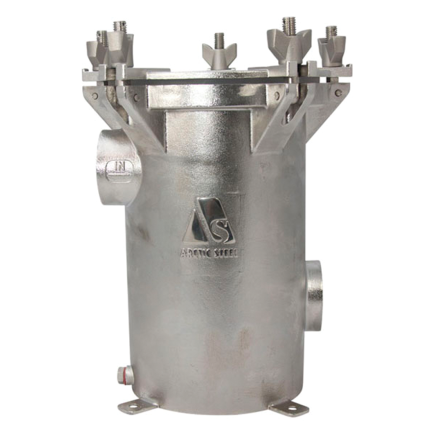
| Bronze strainer bodies | Durable metal construction for marine raw water intake systems. | Confirm that the alloy, connected fittings, and installation method are suitable for the vessel’s seawater plumbing. |
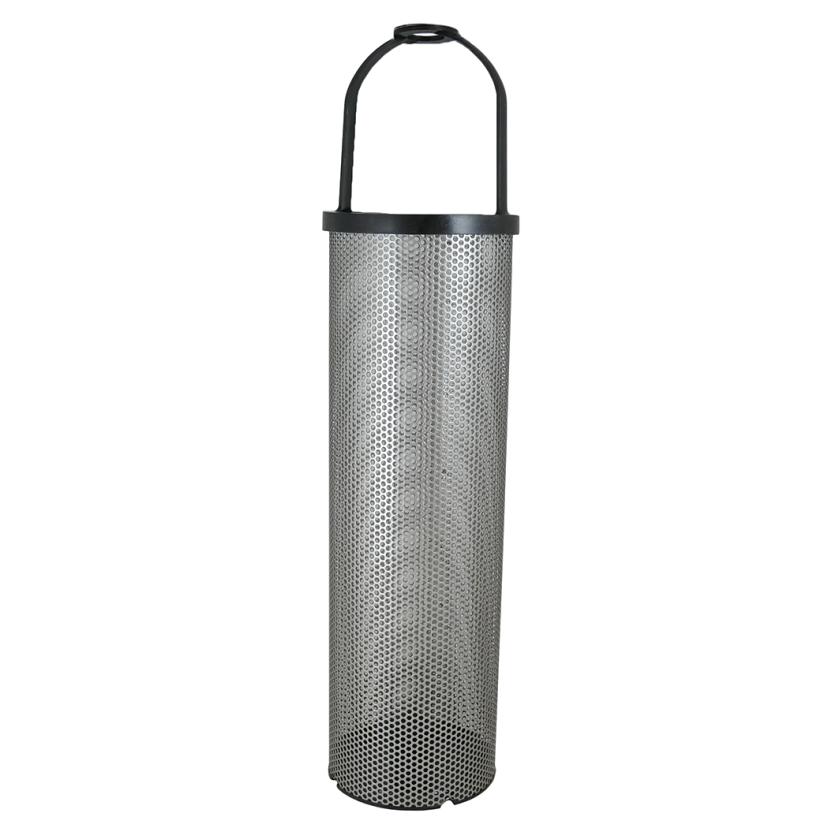
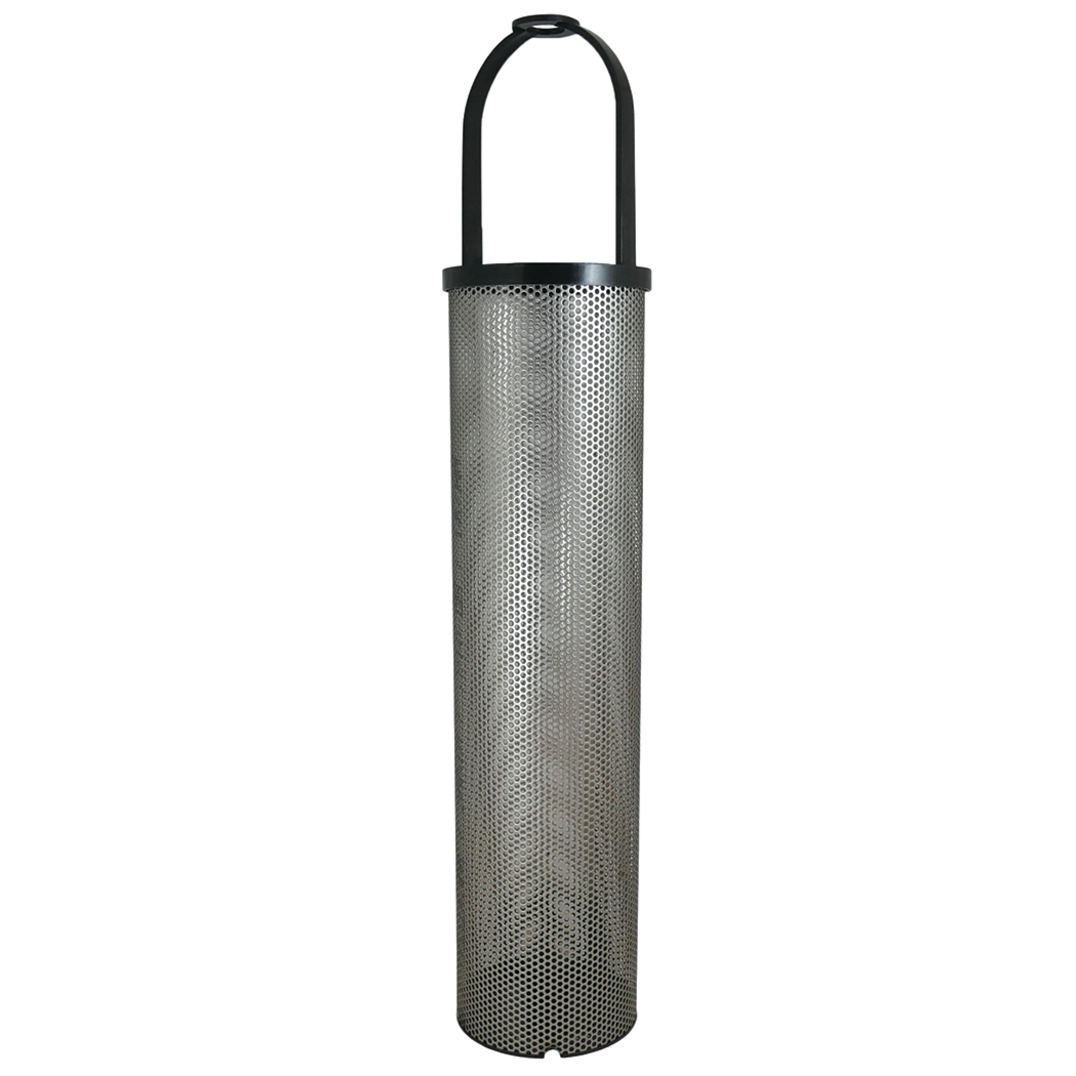
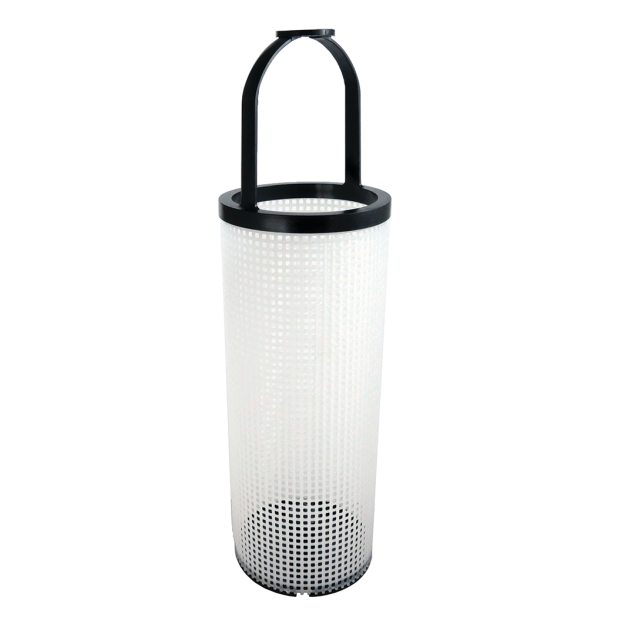
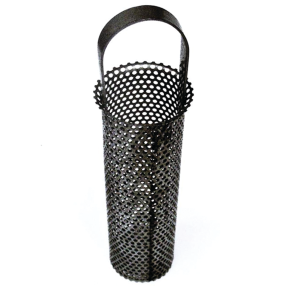
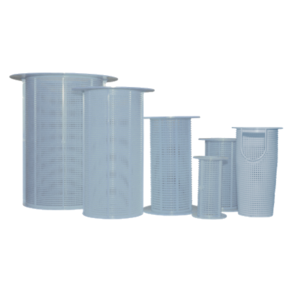
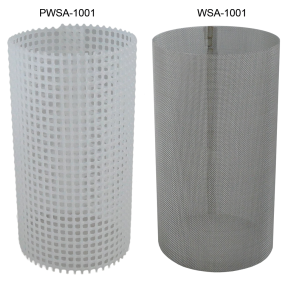
| 316 stainless steel baskets | Corrosion-resistant construction with a rigid debris-filtering surface. | Match the basket dimensions and mesh to the specific raw water strainer model. |
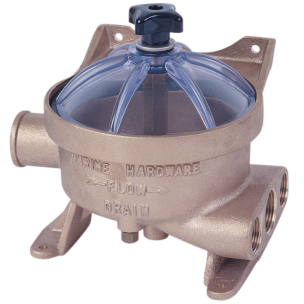
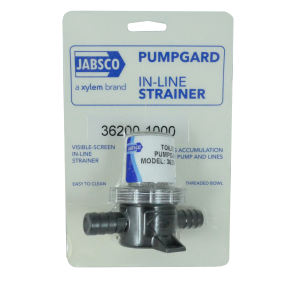
| Engineered polymer strainers | Non-metallic construction that resists corrosion in marine intake systems. | Verify the manufacturer’s limits for mounting position, temperature, pressure, and below-waterline use. |
| Marelon strainers | Non-metallic, corrosion-resistant construction for compatible marine plumbing applications. | Follow the manufacturer’s requirements for installation location, operating conditions, fittings, and system compatibility. |
How to Choose a Raw Water Strainer
| Selection | Factor | What to Check |
|---|---|---|
| Hose Size and Flow | Inlet hose diameter | Use the pump or engine manufacturer’s specified inlet hose diameter. |
| Rated flow capacity | Select a capacity that meets the system’s water demand. | |
| Basket open area and mesh | Compare debris-capture performance and potential flow restriction. | |
| Strainer port size | Do not reduce the intake line solely to fit a smaller strainer port. | |
| Installation Compatibility | Port configuration | Confirm inlet and outlet sizes, thread type, and port orientation. |
| Mounting location | Verify approval for the intended above-waterline or below-waterline installation. | |
| Service clearance | Allow enough room above the housing to open the cap and remove the basket. | |
| Component access | Check access to drain plugs, mounting fasteners, hose clamps, and shutoff valves. | |
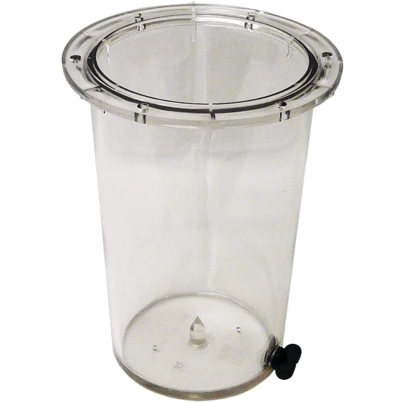
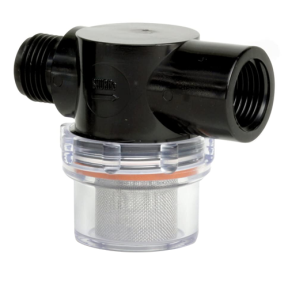
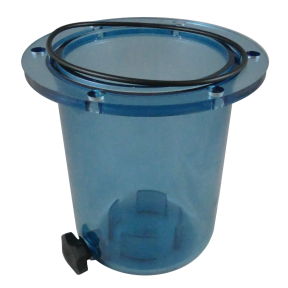
| Service and Replacement Parts | Transparent bowl | Supports quick visual inspection when approved for the installation. |
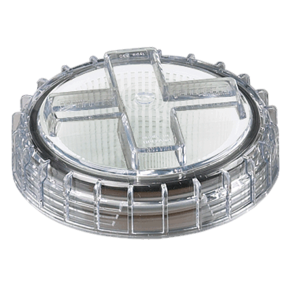
| Top-service cap | Provides direct access for routine basket cleaning. | |
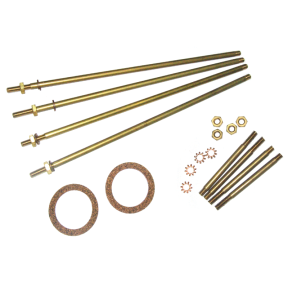
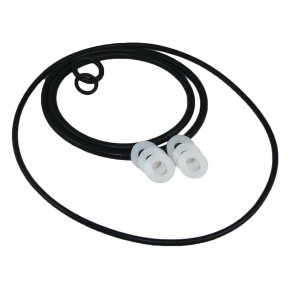
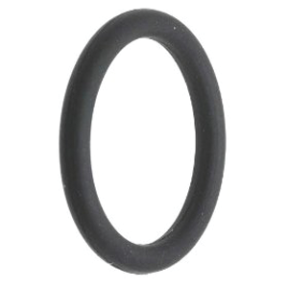
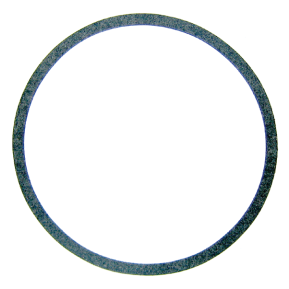
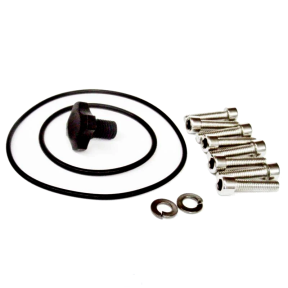
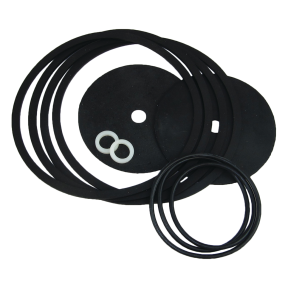
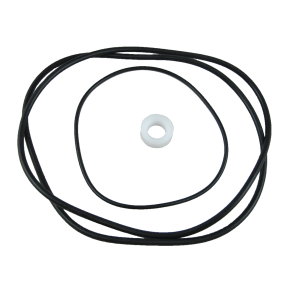
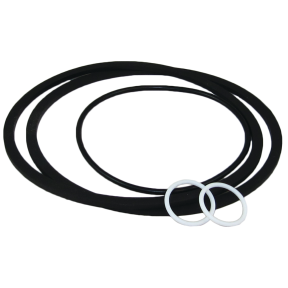
| Replaceable components | Check the availability of baskets, caps, gaskets, O-rings, and drain plugs. | |
| Model-specific parts | Use compatible components to avoid an incorrect seal or basket fit. | |
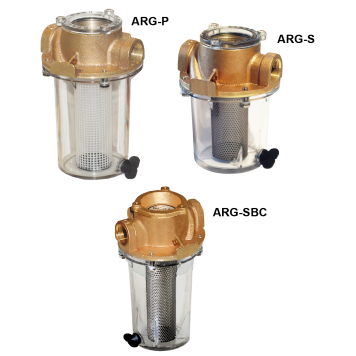
| Brands and Models | GROCO ARG series | Compare port configuration, housing material, basket design, mounting position, and replacement components. |
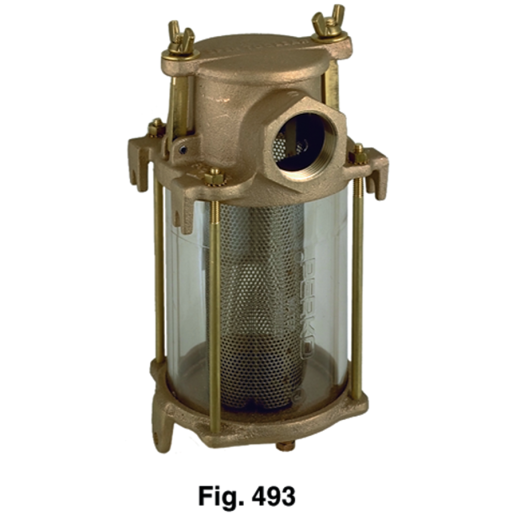
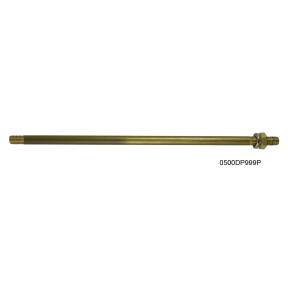
| Perko 0493 and 0500 series | Review the current manufacturer documentation for model-specific compatibility and installation requirements. | |
| Vetus FTR series | Confirm the selected model’s connections, mounting requirements, and service parts before purchasing. |
Raw Water Strainer Installation Guidelines
- Close the seacock before opening or modifying the intake system.
- Mount the strainer close to the seacock with short, straight marine hose runs.
- Follow the marked inlet, outlet, and flow direction for the selected model.
- Provide vertical clearance for basket removal and cap service.
- Use marine-grade hose, compatible fittings, and clamps specified for the installation.
- Seal threaded connections according to the strainer manufacturer’s instructions.
- After reassembly, open the seacock and inspect the system for water leaks and suction-side air entry.
Raw Water Strainer Cleaning and Maintenance
- Inspect the strainer basket before use and after operating in weed-heavy or debris-filled water.
- Remove trapped material when cooling flow drops or debris becomes visible.
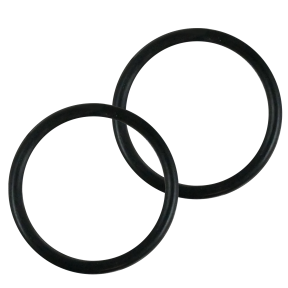
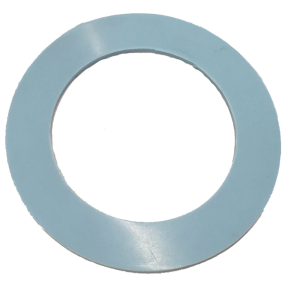
- Check the cap gasket or O-ring for flattening, cracks, swelling, or contamination.
- Inspect transparent bowls for damage and replace compromised components with model-specific parts.
- Watch for air bubbles that may indicate a loose cap or suction-side leak.
- Use the drain plug for winterization when fitted, following the vessel and equipment manuals.
- Apply only manufacturer-approved lubricant to seals.
Frequently Asked Questions About Raw Water Strainers
How often should I clean a boat raw water strainer?
Inspect the raw water strainer before each outing and clean it whenever debris or reduced flow is visible. Boats operating in weed-heavy, shallow, or debris-filled water may need inspection after every trip. Cleaning frequency should reflect local water conditions, engine temperature behavior, and the connected equipment manufacturer’s maintenance schedule.
How do I choose the correct raw water strainer size?
Choose a raw water strainer that matches the specified inlet hose diameter and meets the pump or engine flow requirement. Compare port size, rated flow, basket open area, mesh, and thread type. The engine, pump, or air-conditioning manufacturer’s documentation should govern sizing when category listings and existing plumbing differ.
Where should a marine sea strainer be installed?
Install the marine sea strainer downstream from the seacock and upstream from the raw water pump. Place it close to the seacock with short hose runs and enough overhead clearance to remove the basket. Follow the model instructions for mounting orientation and approved above-waterline or below-waterline placement.
Which raw water strainer material is suitable for saltwater?
Bronze, 316 stainless steel, engineered polymer, and Marelon components are common choices for saltwater intake systems. Suitability depends on the complete plumbing assembly, electrical bonding requirements, mounting location, and manufacturer approval. Avoid mixing incompatible metals, and verify that every housing, basket, fitting, and fastener is rated for marine service.
What causes air bubbles in a raw water strainer bowl?
Air bubbles commonly point to a suction-side leak at the cap, O-ring, gasket, drain plug, hose, clamp, or fitting. Close the seacock before opening the housing, inspect each sealing surface, and replace damaged model-specific parts. Persistent air may reduce pump performance and should be corrected before normal operation resumes.
What are the signs of a clogged marine sea strainer?
Common signs include reduced exhaust water, rising engine temperature, weak washdown pressure, restricted air-conditioning discharge, or visible debris in the basket. Shut down affected equipment before inspection. A clean basket with continued low flow may indicate a blocked through-hull, collapsed hose, closed seacock, damaged impeller, or another intake restriction.