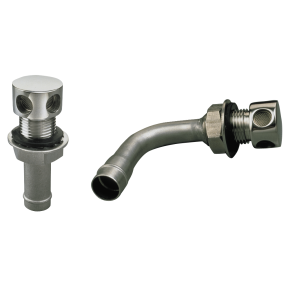
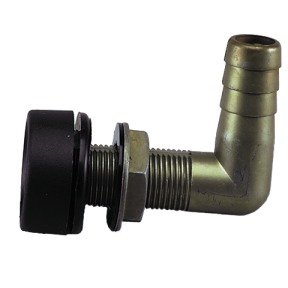
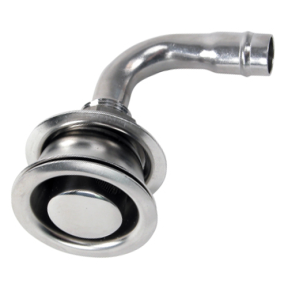
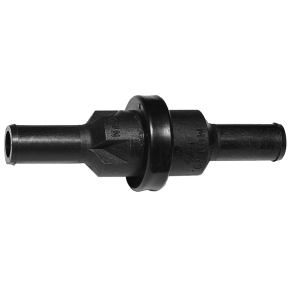
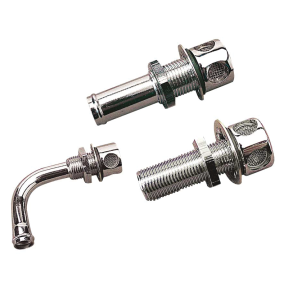
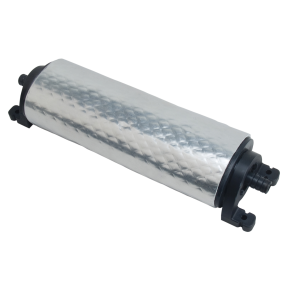
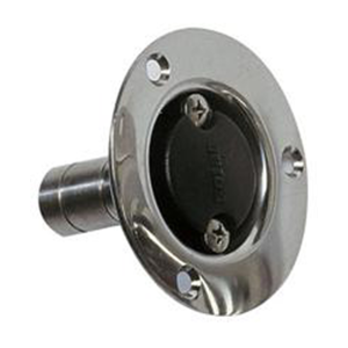
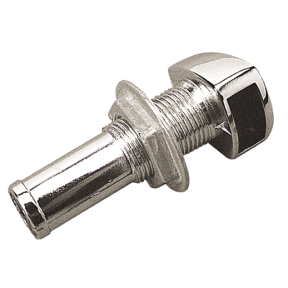
Boat Vents for Fuel Tanks, Gas Tanks, and Holding Tanks
This category helps boat owners select and install tank vents that maintain safety, performance, and comfort across fuel and sanitation systems.
Key Takeaways
- Vent correctly, run safely: Proper venting prevents vacuum/pressure issues, vapor lock, and odor.
- Follow recognized guidance: EPA diurnal/evaporative rules and ABYC best practices inform modern system design.
- Use the right components: Fuel-rated hose, secure barbs/clamps, splash-protected through-hulls, and—where applicable—carbon canisters.
- Holding tanks: Prioritize free airflow and odor control; consider vent filters and short, direct runs.
Understanding Marine Vents
Marine vents serve two primary purposes:
- Prevent internal pressure/vacuum extremes in tanks.
- Enable clean air exchange for system stability and comfort.
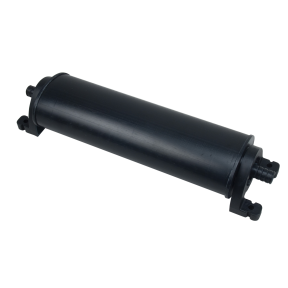
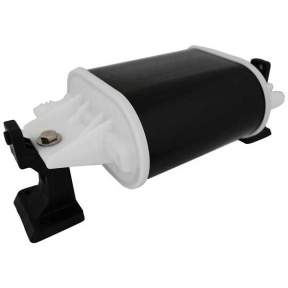
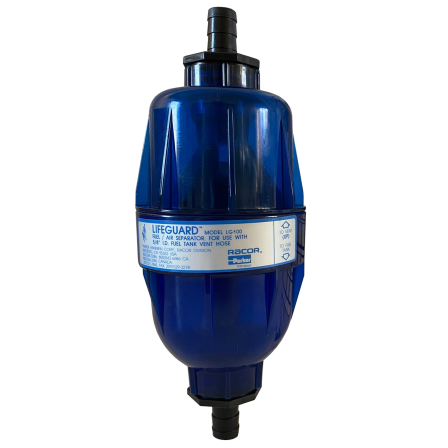
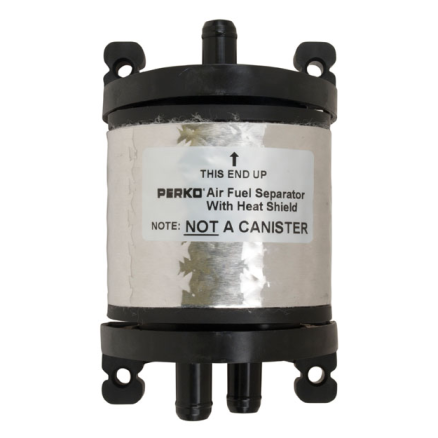
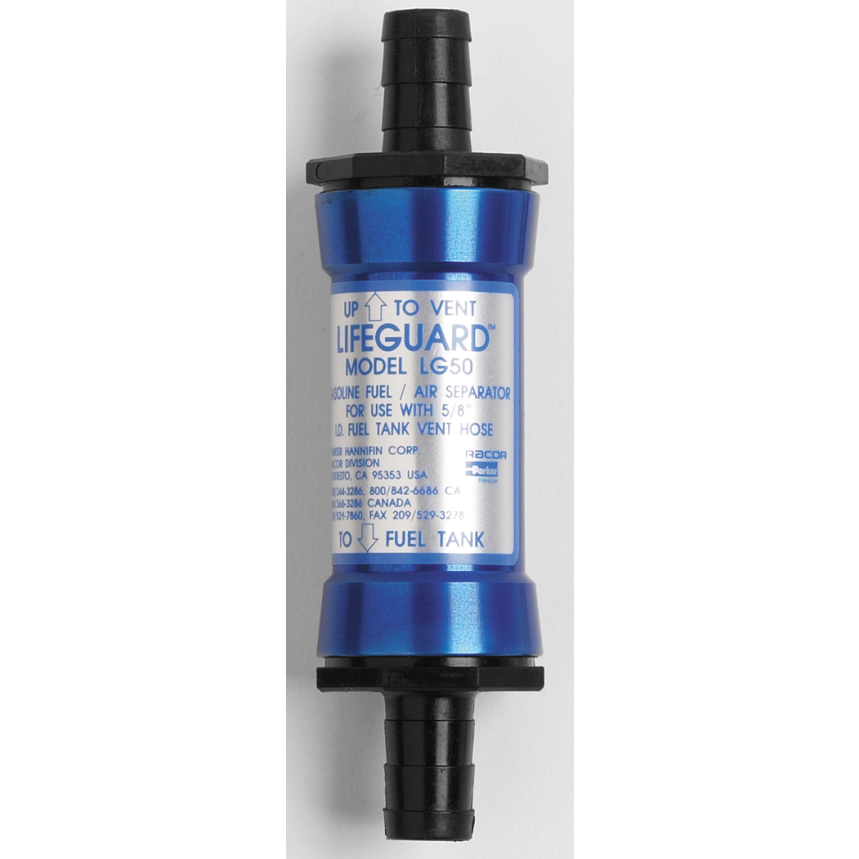
For gasoline systems, modern designs often incorporate carbon canisters on vent lines to control diurnal emissions under 40 CFR Part 1060.
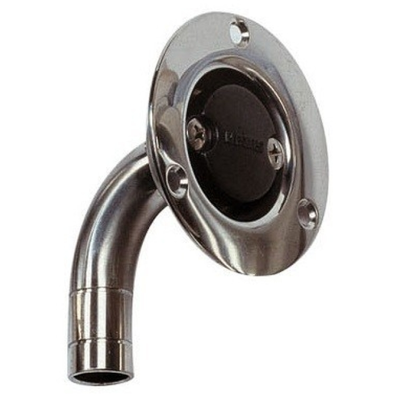
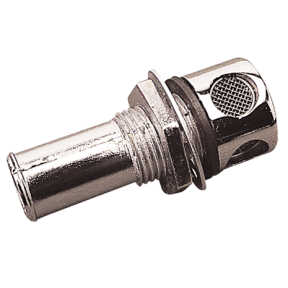
Boat Fuel Tank Vents and Gas Tank Vents
A reliable fuel tank vent is central to steady fuel delivery. Without proper venting, pressure swings or vapor lock can interrupt flow and create hazards.
- Pressure equilibrium: Vents allow displaced air to escape during refueling and admit air during draw-down.
- Diurnal control: Many OEM gasoline systems use carbon canisters to capture hydrocarbons from tank “breathing.”
- Component protection: System design must prevent liquid fuel or water from entering the canister to maintain performance.
Note: Diesel fuel systems are not subject to the same EPA evaporative rules as gasoline spark-ignition systems, but good vent placement and screening still reduce odor and prevent water ingress.
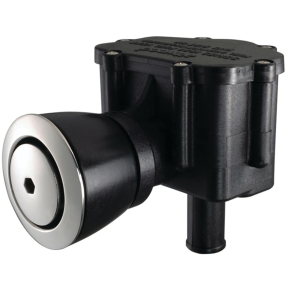
Holding Tank Vents
Holding tank vents are essential to a comfortable onboard environment. They:
- Reduce odor by allowing gas exchange and aerobic action.
- Safely vent methane and other waste gases.
- Admit air during pump-out to prevent tank collapse.
Odor control improves with generous vent diameter, short runs, and optional vent filters/media where appropriate.
Shopping for Your Boat Vents
Match the vent to your application and installation:
- Tank type: gasoline, diesel, or waste.
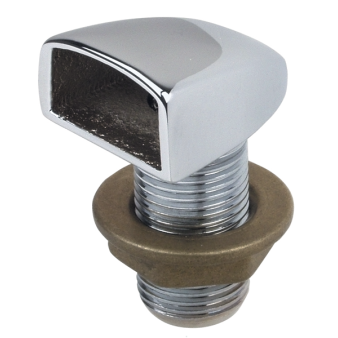
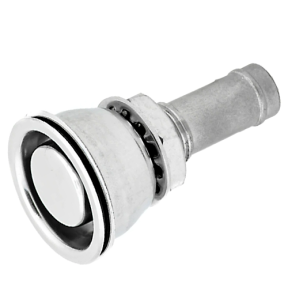
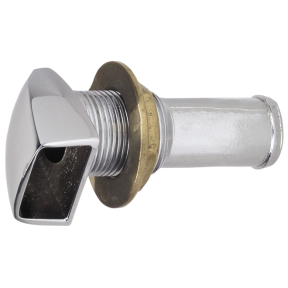
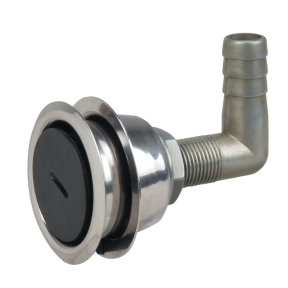
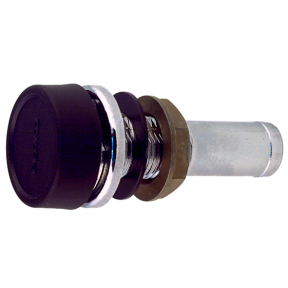
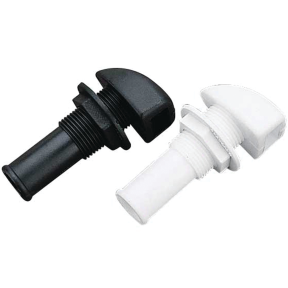
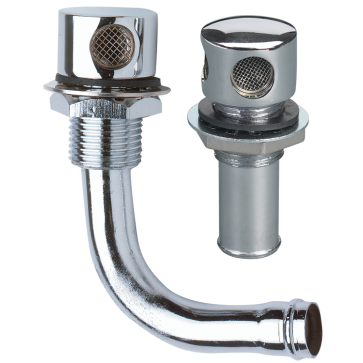
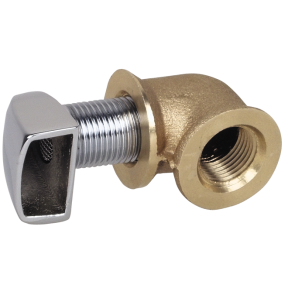
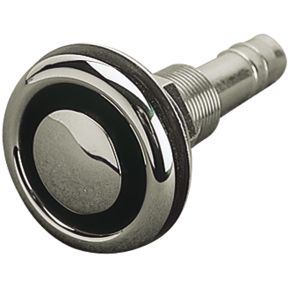
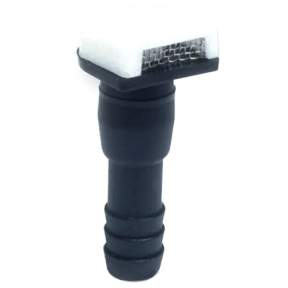
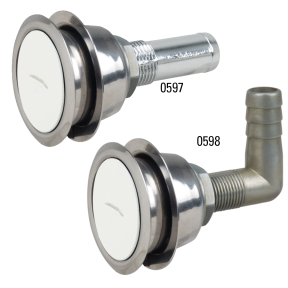
- Vent diameter & mount: through-hull, side-mount, or integrated fittings with splash screens.
- Regulatory alignment: For gasoline SI systems, consider EPA evaporative requirements; consult ABYC guidance for safe installation.
- System compatibility: hose size, routing, and access for service.
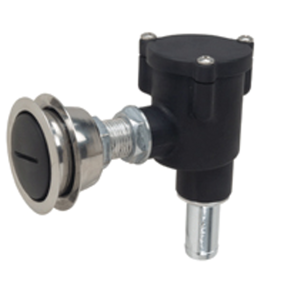
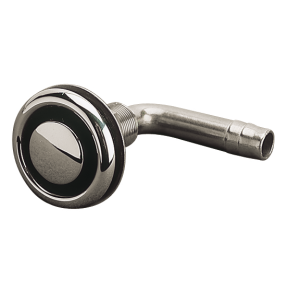
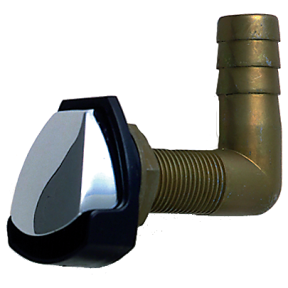
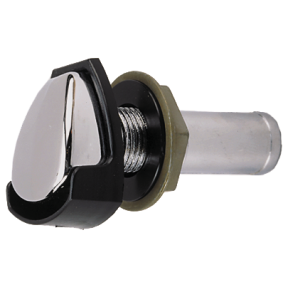
Explore top-quality vents and accessories from Perko, Attwood, Moeller, and Sea-Dog Line—built for the marine environment. For complementary parts, see our marine pipe fittings.
Installation & Maintenance Essentials
Vent Hose Routing (Fuel)
- Run the hose in a continuous rise from the tank to the vent fitting; avoid low spots where liquid can collect.
- Keep the run as short and direct as practical; support and protect from abrasion.
- Use fuel-rated hose with proper serrated barbs and corrosion-resistant clamps; secure terminations per recognized guidance.
- Include splash screens and flame arresting features where required by the vent fitting design.
Carbon Canisters (Gasoline SI)
- Install per manufacturer instructions and protect from liquid fuel or water intrusion; mount above potential flood/splash points.
- Verify the system addresses diurnal emissions consistent with EPA requirements for marine SI systems.
Holding Tanks (Waste)
- Favor short, straight vent runs and the largest practical diameter for airflow.
- Use odor media or vent filters where appropriate; replace media on schedule.
Frequently Asked Questions
How should a fuel tank vent hose be installed?
Route it upward in a continuous rise from the tank to the vent, without sags or loops, to drain liquid back to the tank and maintain clear airflow.
Are there rules that affect fuel tank vent installations?
Yes. Modern gasoline SI systems must address evaporative and diurnal emissions under EPA rules; many incorporate carbon canisters on the vent line. Installation should also follow recognized ABYC guidance.
How can I prevent water from entering the vent line?
Use a vent fitting with splash protection, maintain a continuous rise in the hose, and avoid low spots. Inspect and service screens regularly.
What improves holding tank odor control?
Short, straight vent runs with generous diameter and optional vent filters or media to promote airflow and reduce odors.
Where can I find EPA-compliant carbon canisters?
Marine canisters from established brands (e.g., Perko, Attwood) are designed for diurnal control and should be installed to prevent fluid ingress.
Shop with confidence: Explore our large in-stock selection of vents, fittings, and EPA-compliant components—and enjoy nationwide and international shipping.