

Bilge Pumps & Switches for Reliable Bilge Water Management
This category helps boaters with selecting and configuring bilge pumps, switches, and alarms for recreational and commercial boats.
Key Takeaways
- Match pump type and capacity (GPH) to your boat and plumbing head loss, not just the box rating.
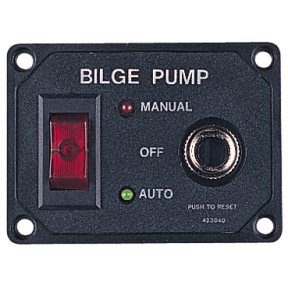
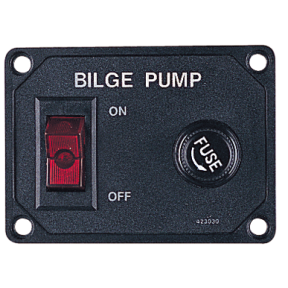
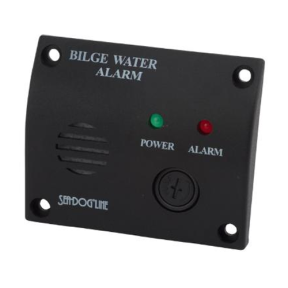
- Use a complete system: pump + strainer + switch + panel + hose + high-water alarm.
- Choose ignition-protected, marine-grade components from trusted manufacturers.
- Place pumps at the lowest practical bilge point; route discharge with minimal rises and bends.
Why Bilge Pumps Matter
A bilge pump is a 12V or manual pump that removes water from the lowest areas of a hull. Proper sizing and installation reduce nuisance water, protect equipment, and add a margin of safety during leaks or water ingress.
Shop Marine-Grade Pumps & Components
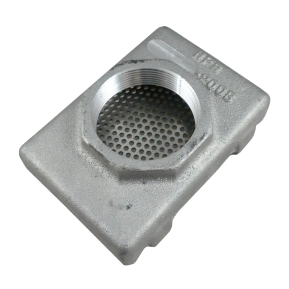
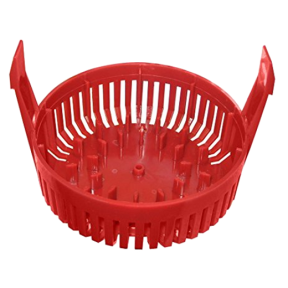
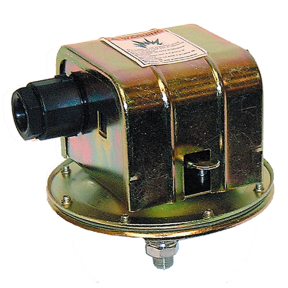
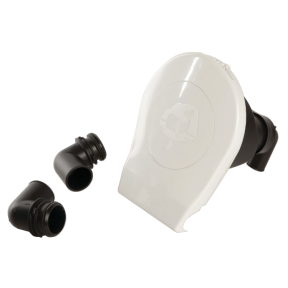
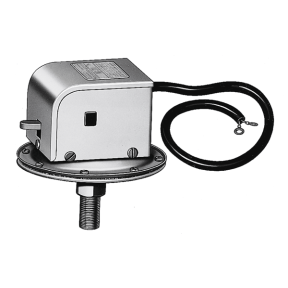
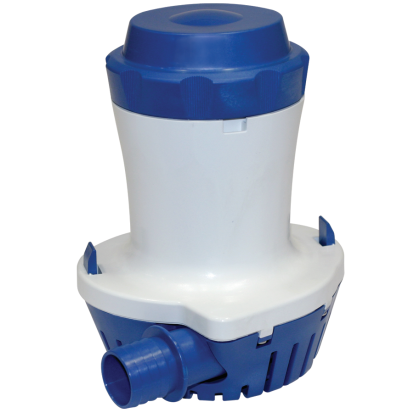
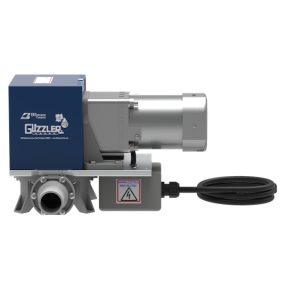
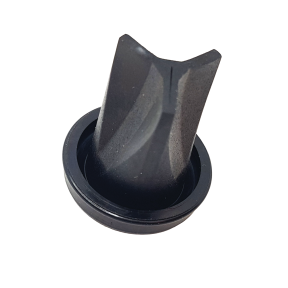
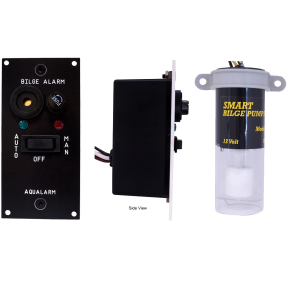
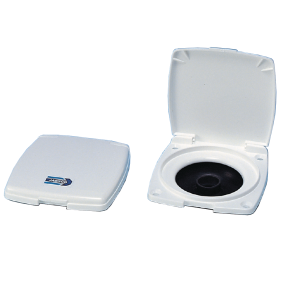
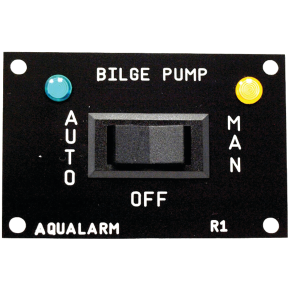
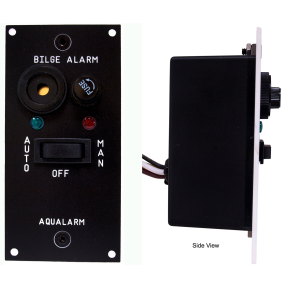
Fisheries Supply offers a selection of automatic bilge pumps and non-automatic bilge pumps from established brands—Johnson Pump (SPXFLOW), Jabsco (Xylem), and Ultra Safety Systems—plus matched accessories:
Choose the Right Pump Type
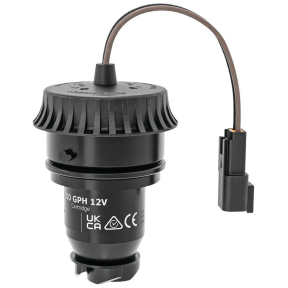
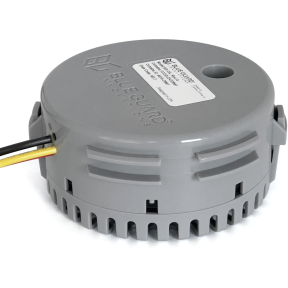
- Submersible (Centrifugal) Pumps: Compact, quiet, and efficient at high flows with low head. Best for “everyday” dewatering. Note that advertised GPH at 0 ft head can drop significantly with voltage loss, hose friction, and lift height.
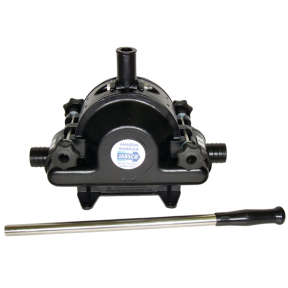
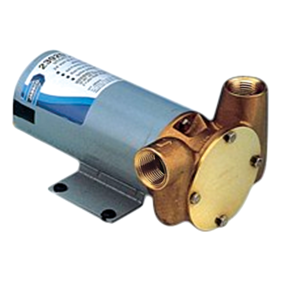
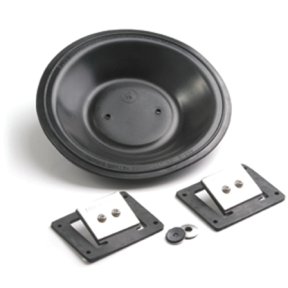
- Diaphragm Pumps: Self-priming and tolerant of dry-running; can be mounted above the bilge with a strainer at the pickup. Good for deeper bilges or longer runs where head pressure is higher.
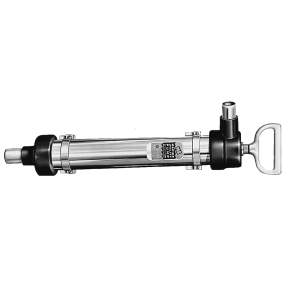
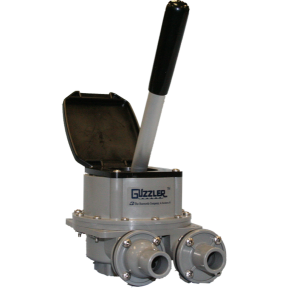
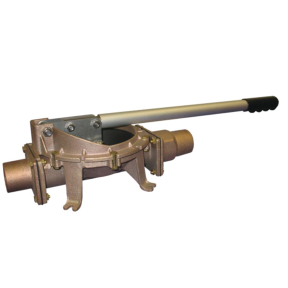
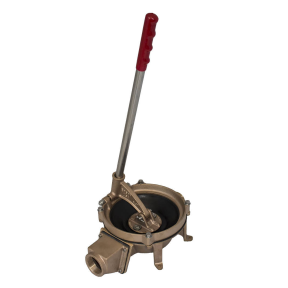
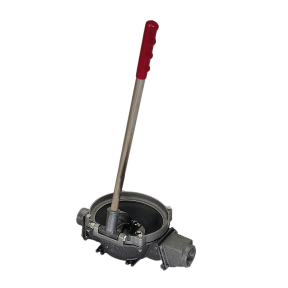
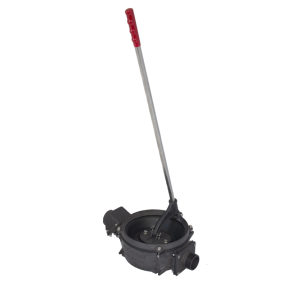
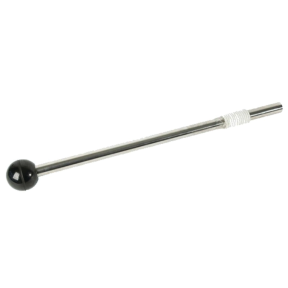
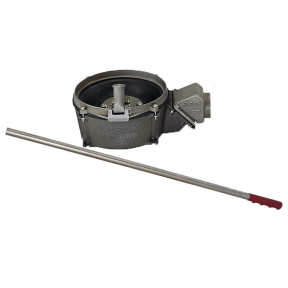
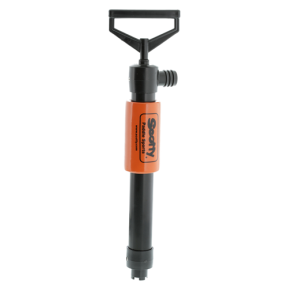
- Manual Pumps: Hand-operated backup that remains functional with electrical failures; useful as a secondary safety system.
Capacity & System Sizing
- Capacity: Start with rated GPH, then account for static head, friction losses, wiring voltage drop, and fitting restrictions.
- Wire correctly: Short, appropriately gauged runs preserve voltage; many ratings assume ~13.6V supply.
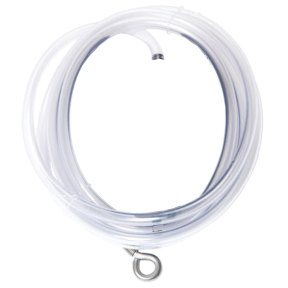
- Plumb efficiently: Use smooth-bore hose, minimize elbows, and keep discharge rising continuously to the thru-hull.
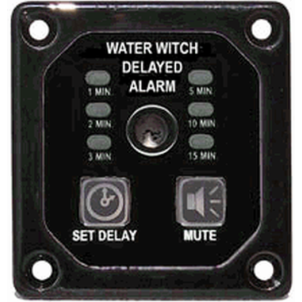
- Redundancy: Consider staged pumps (e.g., 1,000–2,000 GPH primary + higher-capacity secondary) and an independent high-water alarm.
Quality You Can Trust
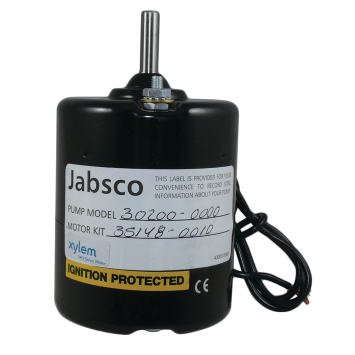
We stock ignition-protected, marine-grade components engineered for demanding environments. Brands like Jabsco and Johnson Pump publish detailed installation manuals and third-party testing guidance; our team can help you cross-reference specs and warranties for the best lifecycle value.
Tip: Pair an electric pump with a high-quality mechanical backup and an independent alarm for situational awareness.
Fast, Helpful Fulfillment
Equip your boat with a dependable bilge system today. Free shipping on qualified orders over $99. Our representatives are ready to help you match pumps, switches, hoses, and panels to your boat and bilge layout.
Frequently Asked Questions
What does a bilge pump do?
It evacuates water from the bilge—the lowest part of your hull—to keep spaces dry and protect equipment.
How do I size a bilge pump?
Start with rated GPH, then derate for hose length, fittings, vertical lift, and voltage drop. Many real-world systems deliver substantially less than open-flow ratings; consider staged redundancy.
Automatic vs. non-automatic: which should I choose?
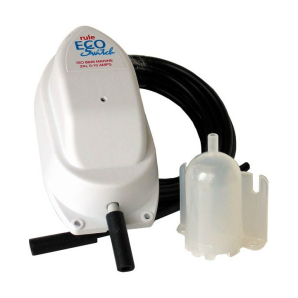
Automatic pumps or pumps paired with reliable float/solid-state switches handle routine water without manual intervention. Non-automatic units suit simpler systems or backup use.
Where should I mount the pump and run the discharge?
Mount at the lowest practical bilge point. Run a continuously rising discharge to a thru-hull at least a foot above the waterline, avoiding dips and tight bends.
Can I DIY the installation?
Yes—follow the manufacturer’s manual for wiring, fuse sizing, and hose routing. If you’re unsure about electrical or thru-hull work, consult a marine technician.