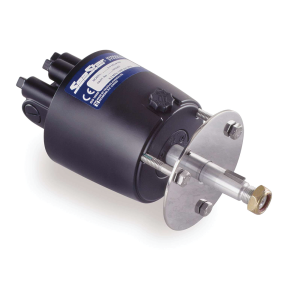
Hydraulic Boat Steering Systems
Hydraulic boat steering systems give recreational boats, high-speed vessels, yachts, trawlers, and sportfishing boats smooth, precise, low-effort control. This category includes marine hydraulic steering kits, helm units, steering cylinders, high-pressure hydraulic hoses, seal kits, and fittings for outboard and inboard steering applications.
At Fisheries Supply, boat owners and marine technicians can compare hydraulic steering for boats from trusted brands including SeaStar Solutions (Dometic Marine) and U-flex, as well as source replacement seal kits and components for classic Hynautic systems.
How Hydraulic Boat Steering Works
Hydraulic steering for boats operates as a closed-loop system using fluid displacement to transfer energy. When the steering wheel is turned, it drives an axial piston pump inside the helm unit. This pump forces pressurized hydraulic fluid through multi-layered, semi-rigid hoses to the steering cylinder mounted at the engine or rudder tiller arm.
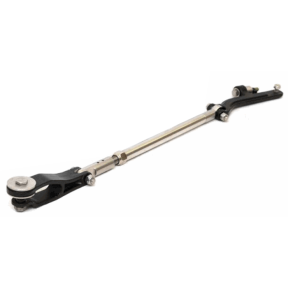
The fluid forces the internal piston to move, translating hydraulic pressure into mechanical linear force that pushes or pulls the steering linkage. This mechanical advantage eliminates the friction inherent in push-pull mechanical cables, isolating the helm from engine torque grid lock and delivering responsive control even under demanding marine conditions.
Hydraulic Steering System Components
A reliable marine hydraulic steering system depends on precisely matched components that maintain pressure under high torque loads, resist severe galvanic corrosion, and satisfy rigorous ABYC standards.
| Component | Primary Function | Common Buying Consideration |
|---|---|---|
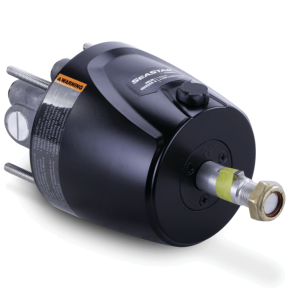
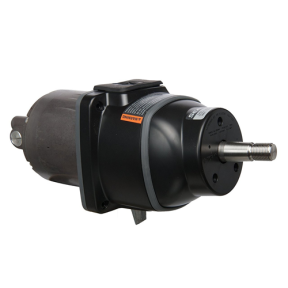
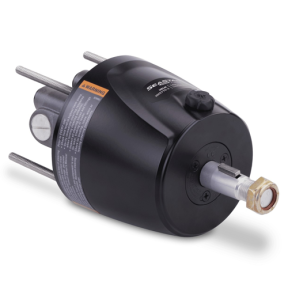
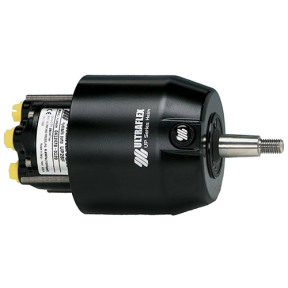
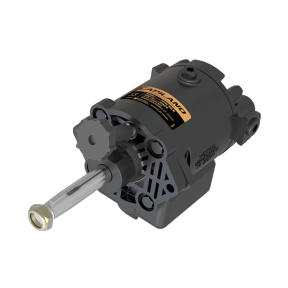
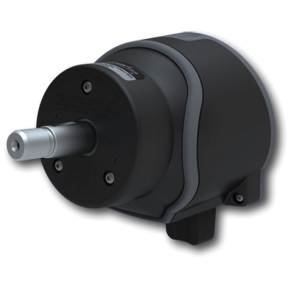
| Helm unit | Contains the axial piston pump and internal relief/check valves that convert wheel rotation into directional hydraulic pressure. | Select a displacement rating (e.g., 1.7 vs. 2.4 cu. in.) that delivers the target number of wheel turns lock-to-lock for your cylinder volume. |
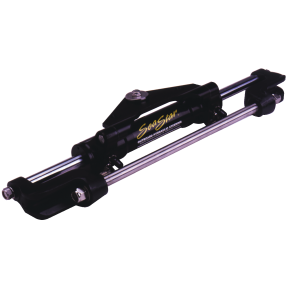
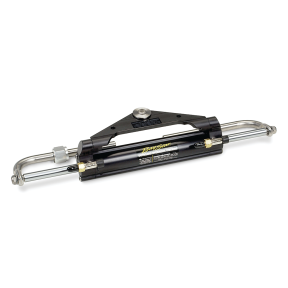
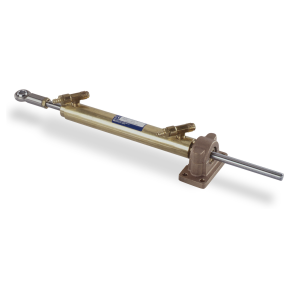
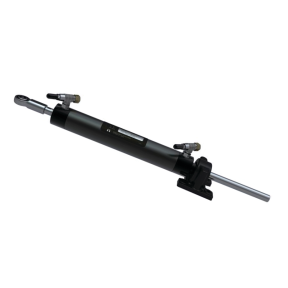
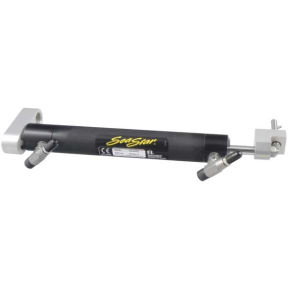
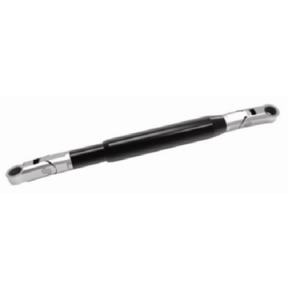
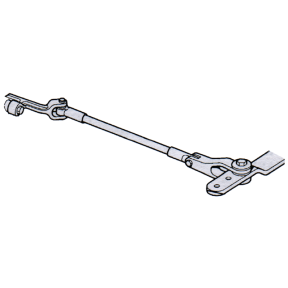
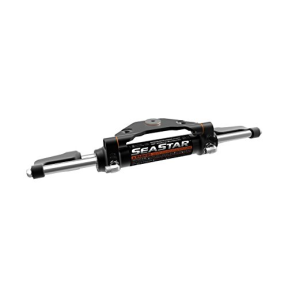
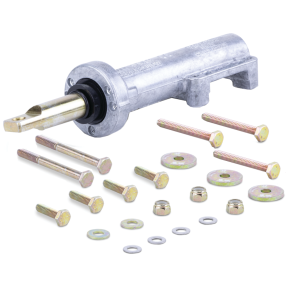
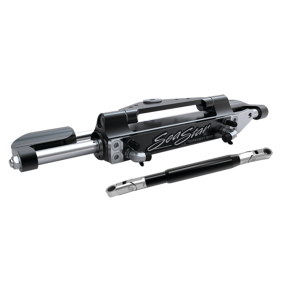
| Steering cylinder | Translates fluid displacement into linear mechanical movement to pivot an outboard engine or move an inboard rudder tiller arm. | Must match engine horsepower, hull clearance constraints, and whether the application requires a balanced or unbalanced configuration. |
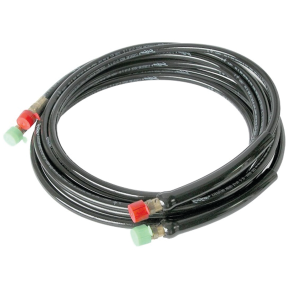
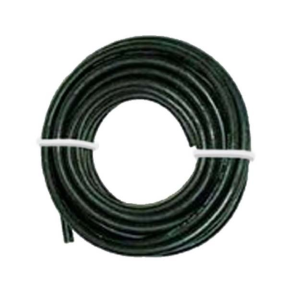
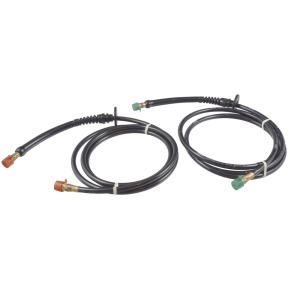
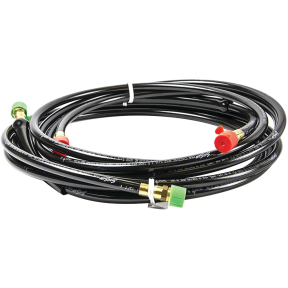
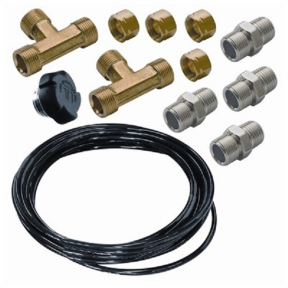
| Hydraulic hoses | Heavy-walled, low-expansion hoses that safely route pressurized hydraulic fluid between the helm and the cylinder. | Must use factory-swaged, high-pressure rated marine hoses. Never use generic low-pressure vinyl or single-wall tubing on primary steering lines. |
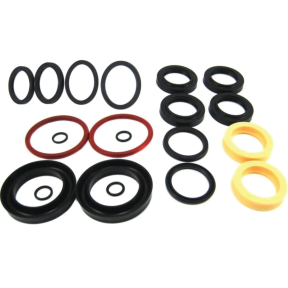
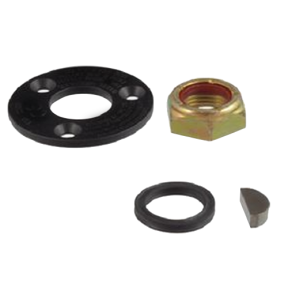
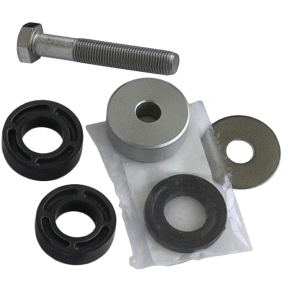
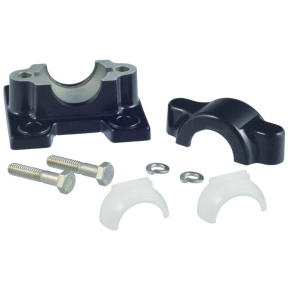
| Seal kits | Replaces worn internal and external elastomer seals to maintain system pressure and prevent fluid contamination. | Must be precisely matched to the specific model and generation of the helm or cylinder to ensure hydraulic fluid compatibility. |
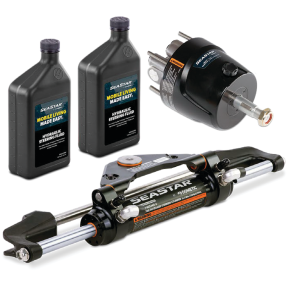
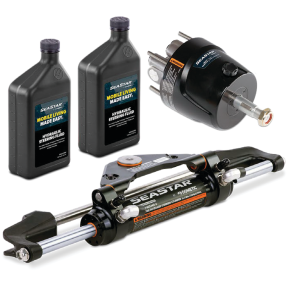
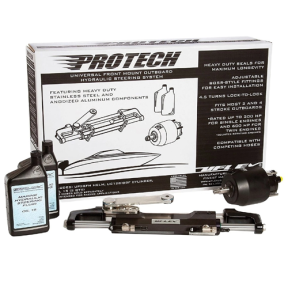
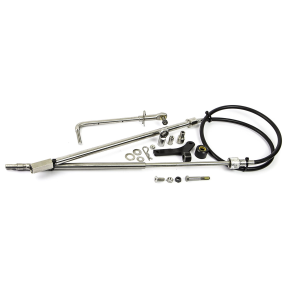
| Boat hydraulic steering kit | Bundles the correctly matched helm pump, steering cylinder, high-pressure hoses, fittings, and bleed hardware into a single system. | The most efficient way to replace a mechanical cable setup, ensuring all component volumes and pressure ratings are completely compatible. |
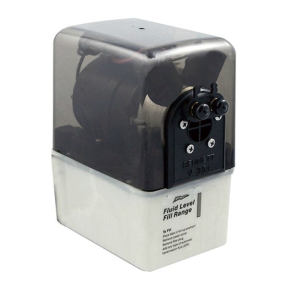
- Helm Units: The hydraulic helm unit serves as the control center. It contains the pump mechanism and specialized anti-kickback check valves that prevent rudder or engine torque from driving the steering wheel.
- Cylinders and Seal Kits: A hydraulic steering cylinder directly handles the mechanical load at the stern. Utilizing exact-match hydraulic seal kits during routine service prevents fluid leaks that can cause a dangerous loss of helm control.
- Hydraulic Hoses: Engineered hydraulic hose kits are critical for safety. High-performance outboard systems generate pressures up to 1,000 PSI, requiring low-expansion, multi-layered semi-rigid hoses rather than unreinforced lines to maintain crisp, crisp steering response.
- Boat Hydraulic Steering Kits: An all-in-one boat hydraulic steering kit eliminates compatibility guesswork by grouping matched parts, making it a straightforward upgrade for boaters transitioning away from stiff, worn mechanical cables.
Types of Hydraulic Steering for Boats
| System Type | Best For | Primary Benefits |
|---|---|---|
| Outboard hydraulic steering | Center consoles, bass boats, skiffs, and multi-engine offshore vessels utilizing high-horsepower outboard motors. | Combats high propeller torque, features balanced tracking (equal turns port-to-starboard with pivoting cylinders), and minimizes splashwell space requirements. |
| Inboard hydraulic steering | Cruisers, trawlers, heavy displacement sailboats, sportfishers, and commercial vessels with inboard rudders. | Accommodates massive rudder loads, integrates seamlessly with secondary autopilot pumps, and supports multi-station dual-helm configurations. |
- Outboard Hydraulic Steering: Outboard hydraulic steering systems are engineered to counteract the extreme rotational torque generated by modern high-horsepower outboards. These configurations typically use balanced, front-mount cylinders that pivot with the engine, providing smooth, stable handling at cruising and high speeds.
- Inboard Hydraulic Steering: Inboard hydraulic steering systems are designed for heavy-duty applications. These setups generally feature heavy-walled brass, bronze, or stainless steel cylinders mounted internally to act on a rugged rudder tiller arm, providing reliable mechanical advantage in punishing offshore conditions.
Maintenance Tips for Marine Hydraulic Steering
Routine maintenance protects against catastrophic steering loss at sea. Inspect the full manual hydraulic steering system after installation, before seasonal commissioning, and immediately if you notice increased steering resistance or dead spots.
- Check for fluid leaks: Wipe down helm fittings, cylinder glands, and compression joints to look for traces of hydraulic fluid loss, which indicates a failing seal.
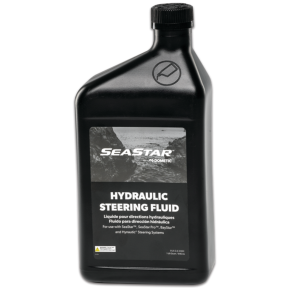
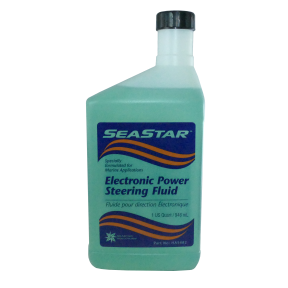
- Verify fluid levels and specifications: Maintain fluid levels within 1/8 inch of the bottom of the helm filler hole. Use only recommended marine hydraulic fluid (such as MIL-SPEC H-5606G equivalents) to ensure stable viscosity across all operating temperatures. Never use automotive ATF.
- Inspect the cylinder shaft: Check the stainless steel cylinder rod for salt crusting, pitting, or physical nicks. Clean off debris regularly; corrosion on the shaft will tear up internal wiper seals during normal engine articulation.
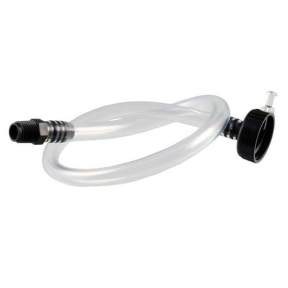
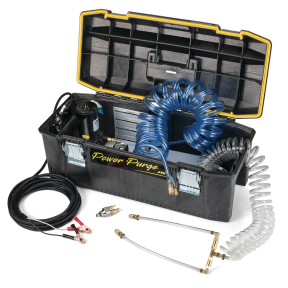
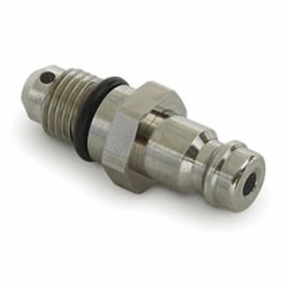
- Purge and bleed the system: Thoroughly bleed trapped air out of the system using a filling bridge tube at the helm and the cylinder bleed valves. Air causes a spongy feeling at the wheel and delayed rudder response.
- Examine hose routing: Inspect hoses for tight bends, kinking, or abrasion against fiberglass bulkheads. Ensure outboards have an adequate self-bailing hose loop that does not bind or pinch when the engine is tilted fully forward or turned lock-to-lock.
Shop Hydraulic Steering Systems at Fisheries Supply
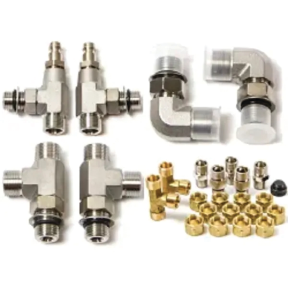
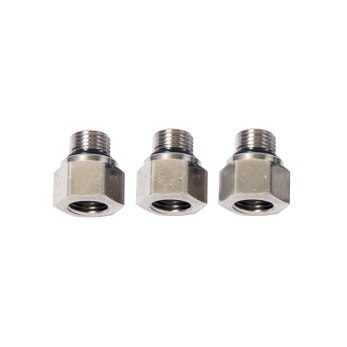
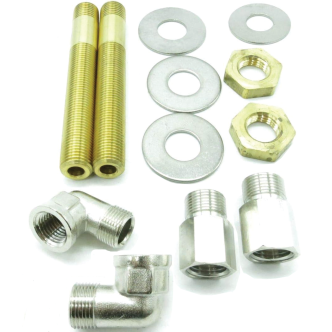
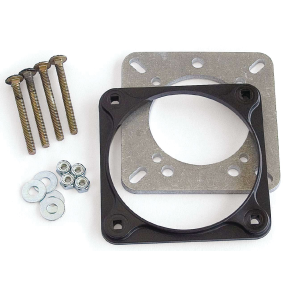
Fisheries Supply carries industry-standard hydraulic steering systems, components, helm units, replacement cylinders, swaged hose kits, seal kits, and high-tensile fittings. Whether executing a fresh install, a multi-station expansion, or an ABYC-compliant system overhaul, matching the displacement of your helm to the volume of your cylinder ensures optimal handling on the water.
Frequently Asked Questions
What is a hydraulic boat steering system?
A hydraulic boat steering system uses fluid displacement under pressure to transfer steering wheel movement to a cylinder mounted at the engine or rudder. It consists of a manual helm pump, high-pressure hydraulic lines, and a cylinder, offering a major mechanical advantage over mechanical push-pull cables by eliminating steering friction and isolating propeller torque.
When should I upgrade from mechanical steering to hydraulic steering?
An upgrade to hydraulic steering is highly recommended when an outboard engine exceeds 150 HP, when managing multi-engine configurations, or when engine steering torque causes operator fatigue. It is also an ideal upgrade when an existing mechanical cable becomes stiff, frozen, or corroded due to internal moisture tracking.
What parts are included in a boat hydraulic steering kit?
A standard manual hydraulic steering kit includes a helm pump, a steering cylinder (front-mount or side-mount), factory-terminated high-pressure hoses, associated fittings, and a basic bleeding/venting kit. High-grade marine hydraulic fluid is often packaged separately to accommodate specific system volume needs.
What is the difference between outboard and inboard hydraulic steering?
Outboard hydraulic steering utilizes compact, lightweight cylinders mounted directly to the engine's tilt tube or splashwell brackets to turn the motor. Inboard hydraulic steering uses heavy-duty, foot-mounted or side-mounted cylinders inside the bilge to push and pull a mechanical rudder tiller arm.
How do I maintain a marine hydraulic steering system?
Maintain your system by keeping the helm oil level topped off, checking all hydraulic connections for leaks, protecting the stainless steel cylinder rod from pitting or corrosion, and ensuring hoses do not chafe. Spongy steering must be addressed immediately by executing a full fluid purge to bleed out trapped air.
Which hydraulic steering brands are available for boats?
Market leaders carried by marine distributors include SeaStar Solutions (by Dometic Marine) and U-flex. While original Hynautic systems are largely out of production, critical aftermarket components, high-quality fittings, and hydraulic cylinder seal kits remain widely available for ongoing service and repair.