
Sailboat Steering: Wheels, Tillers, and Pedestals
Sailboat steering systems connect helm input to the rudder, giving sailors control through a steering wheel or tiller. Choosing the right sailboat steering equipment depends on boat size, cockpit layout, rudder load, handling preference, and compatibility with existing pedestals, cables, sheaves, and control arms.
Sailboat Steering Wheels vs. Tillers
Most sailboats use either wheel steering or tiller steering. Both systems are proven, but they differ in mechanical complexity, cockpit use, helm feedback, and maintenance requirements.
| Selection Factor | Steering Wheel | Tiller |
|---|---|---|
| Typical application | Larger sailboats with heavier rudder loads | Smaller sailboats and racing sailboats |
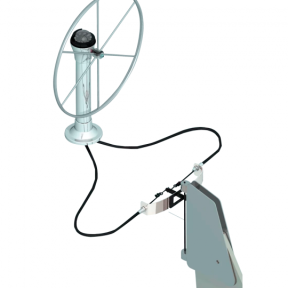
| Helm response | Transmits input through cables, pulleys, and linkages | Connects directly to the rudder head for immediate feedback |
| Cockpit considerations | Uses a wheel and steering pedestal | Can save space when lifted or folded |
| Primary advantage | Mechanical leverage and comfortable control | Simple construction and tactile helm feel |
| Maintenance focus | Cables, pulleys, sheaves, control arms, and linkages | Tiller connection, pintles, gudgeons, and rudder hardware |
Key Components of a Sailboat Steering System
A complete sailboat steering system contains interconnected parts that transfer helm movement to the rudder. During a repair, refit, or steering conversion, each replacement component must be compatible with the boat and the existing steering arrangement.
| Component | Function |
|---|---|
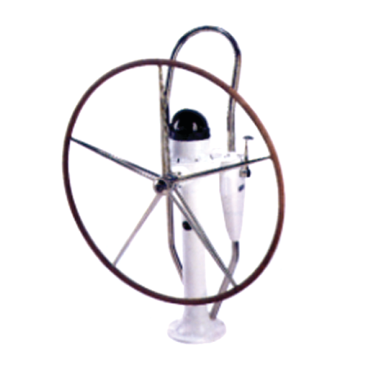
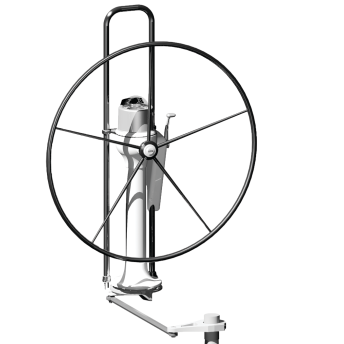
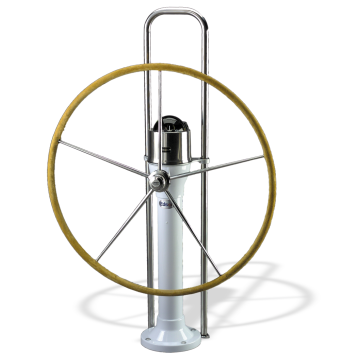
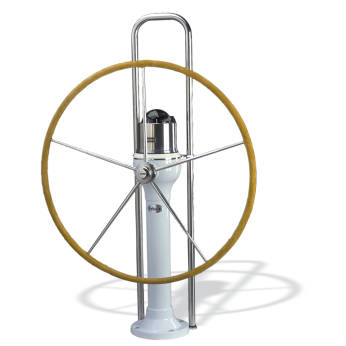
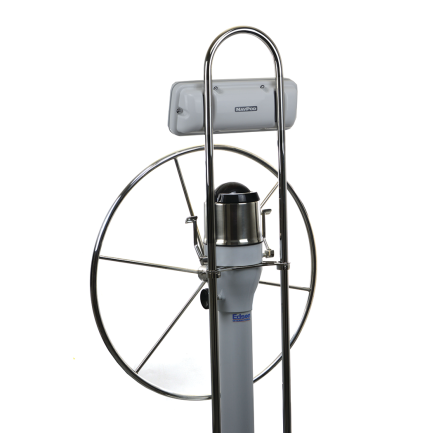
| Steering pedestals | Support the wheel and may house instruments or controls. |
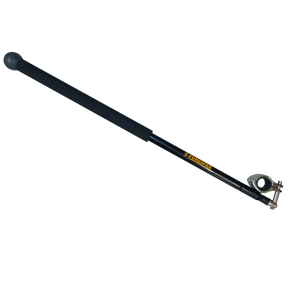
| Tillers | Connect directly to the rudder head for manual steering. |
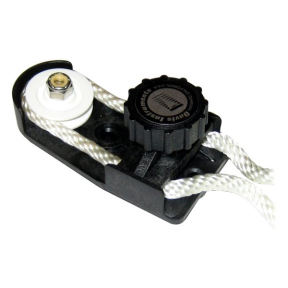
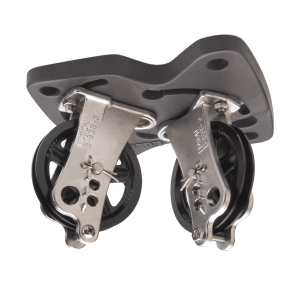
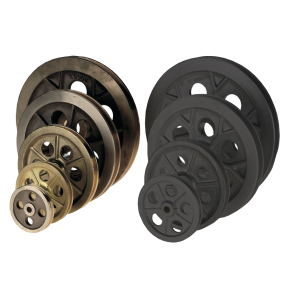
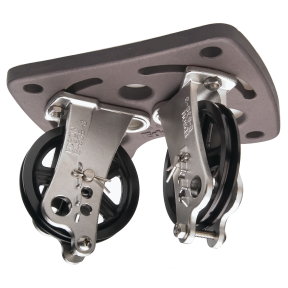
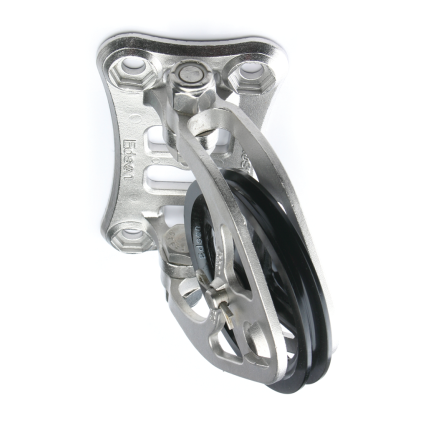
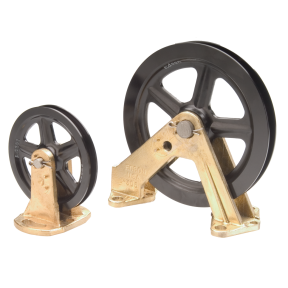
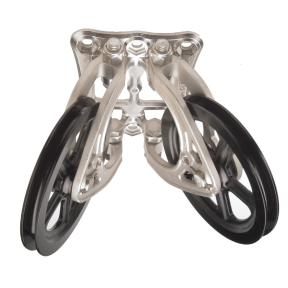
| Sheave assemblies | Route steering cables through a wheel steering system. |
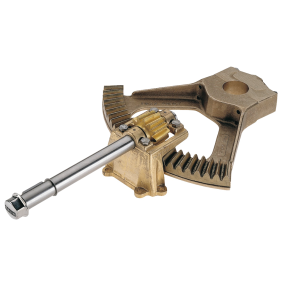
| Steering control arms | Transfer movement within the steering linkage. |
| Wheel brakes | Hold the helm in position while the boat is at anchor. |
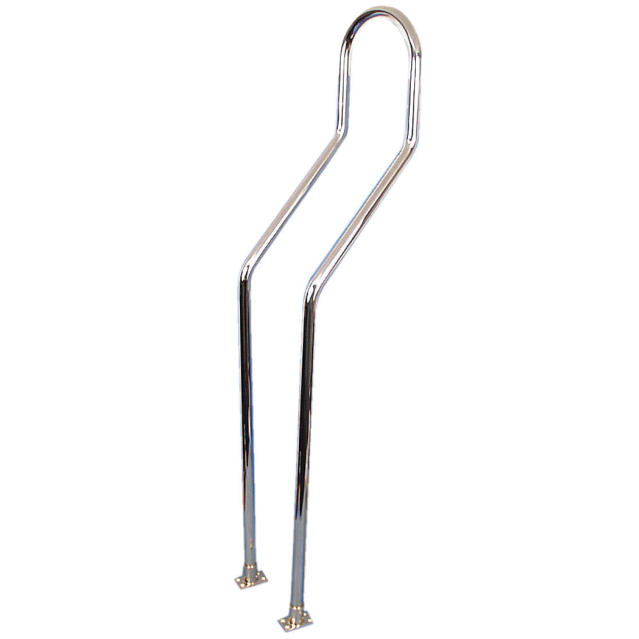
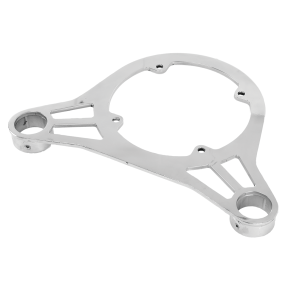
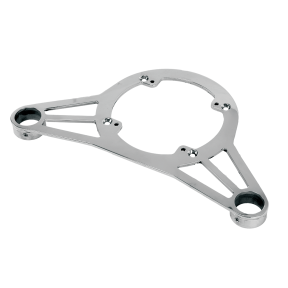
| Pedestal guards | Add protection and support around the helm pedestal. |
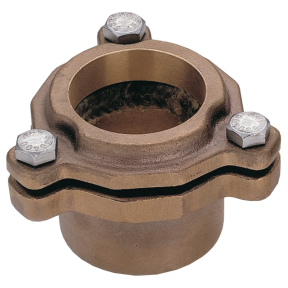
| Rudder post stuffing boxes | Maintain a watertight seal around the rudder shaft. |
How to Choose Sailboat Steering Equipment
- Identify the steering type: Confirm whether the sailboat uses a wheel, tiller, or pedestal-based steering system.
- Consider boat size and rudder load: Larger boats and heavier rudder loads may benefit from the leverage of wheel steering.
- Review the cockpit layout: Compare wheel clearance, tiller movement, seating positions, visibility, and access through the cockpit.
- Check component compatibility: Match pedestals, sheaves, cables, control arms, wheel brakes, and rudder hardware to the existing system.
- Inspect before replacing parts: Look for wear in cables, pulleys, connections, and moving components before selecting replacement equipment.
Maintaining a Sailboat Steering System
Routine steering inspection helps identify worn components before they affect helm response. Steering cables, pulleys, control arms, tiller connections, pintles, and gudgeons deserve particular attention before extended passages.
- Inspect wheel steering cables for wear or fraying.
- Check pulleys, sheaves, linkages, and control arms.
- Examine tiller connections, pintles, and gudgeons.
- Lubricate moving parts according to manufacturer guidance.
- Confirm that steering movement remains smooth and predictable.
Frequently Asked Questions
How do I choose between a sailboat steering wheel and a tiller?
Choose according to boat size, cockpit layout, rudder load, and preferred helm feedback. Steering wheels provide mechanical leverage and are common on larger sailboats. Tillers connect directly to the rudder head, require fewer components, and provide responsive feedback that many sailors prefer on smaller or racing sailboats.
What parts are required for a sailboat wheel steering system?
A sailboat wheel steering system commonly includes a steering wheel, pedestal, cables, sheave assemblies, control arms, and a rudder post stuffing box. Wheel brakes and pedestal guards may also be included. Every component must match the boat’s cockpit layout, rudder arrangement, and existing steering hardware.
Can I convert a sailboat from tiller steering to wheel steering?
Yes, a tiller-steered sailboat can sometimes be converted to wheel steering. The project typically requires a steering pedestal, cables, sheaves, linkages, and a connection to the rudder post. Installation requirements vary with hull design and cockpit layout, so a marine professional should review the proposed system.
What size sailboat steering wheel should I buy?
Select a steering wheel diameter that fits the cockpit, provides suitable helm access, and works with the existing steering system. Available clearance, seating position, spoke design, and preferred steering posture also matter. Confirm the wheel and hub compatibility with the pedestal manufacturer before purchasing replacement steering equipment.
What maintenance does a sailboat steering system require?
Inspect wheel steering cables, pulleys, sheaves, linkages, and control arms for wear or fraying. On tiller systems, check the tiller connection, pintles, gudgeons, and rudder hardware. Lubricate moving parts according to manufacturer guidance and investigate changes in resistance, looseness, or helm response.
What should I do if the primary sailboat steering system fails?
Use the boat’s available emergency steering method. Many wheel-steered sailboats carry an emergency tiller that attaches directly to the rudder post after a cable-system failure. Tiller-steered boats may carry a spare tiller or use a secondary rudder arrangement. Review the equipment and attachment procedure before departure.