


Boat Anchors at Fisheries Supply
Fisheries offers a broad selection of boat anchors for sale from trusted brands like Rocna, Lewmar, Mantus, and Fortress—with the rode, chain, and accessories to match.
Key Takeaways
- Match anchor type to bottom (sand, mud, grass, rock) and expected design wind.
- Size conservatively; major brands publish charts for LOA and displacement.
- Use a proper rode (chain + nylon line) to improve holding and shock absorption.
- Maintain regularly—inspect shank, flukes, swivels, shackles, and chain for wear.
Anchor Type Comparison
| Anchor Type | Sea Bottoms | Typical Use | Recommendations |
|---|---|---|---|
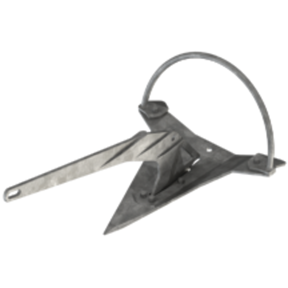
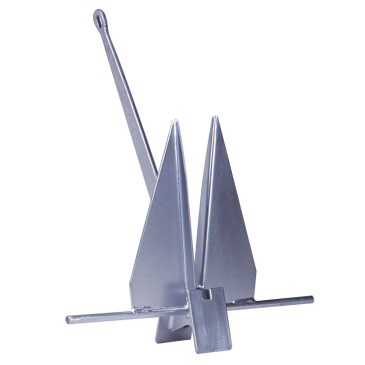
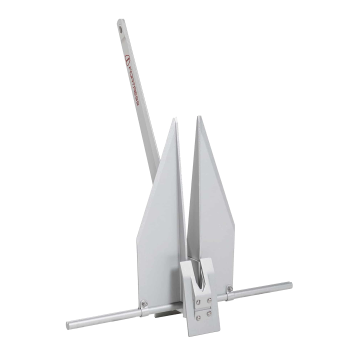
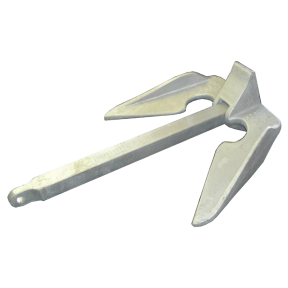
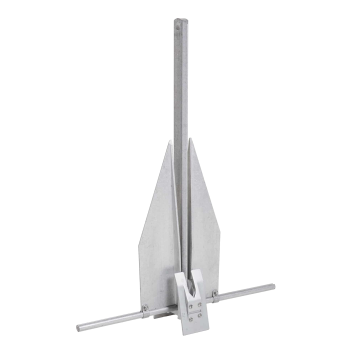
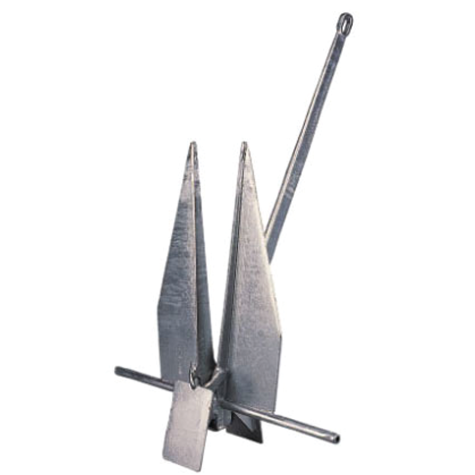
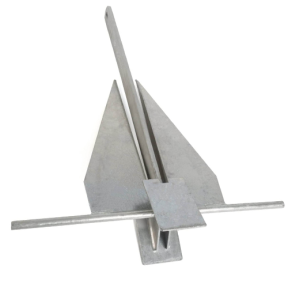
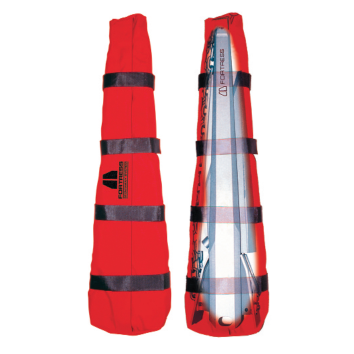
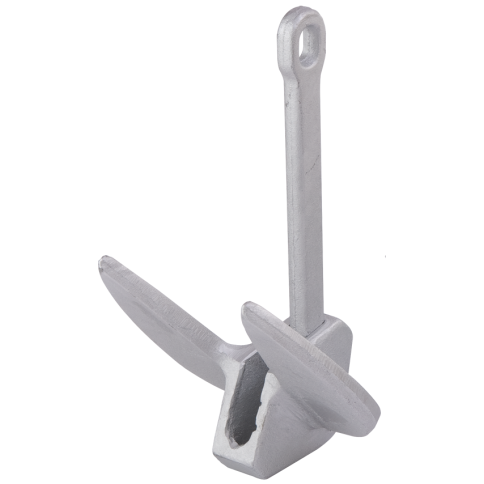
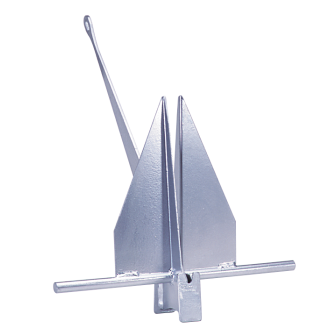
| Fluke (Danforth-style) Anchors | Sand and mud | Small boats, secondary anchors, lightweight ground tackle | Choose a fluke anchor when compact storage and quick setting matter. |
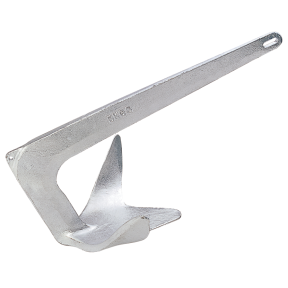
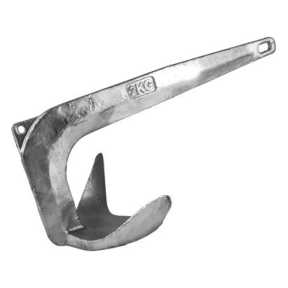
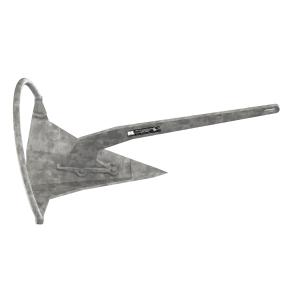
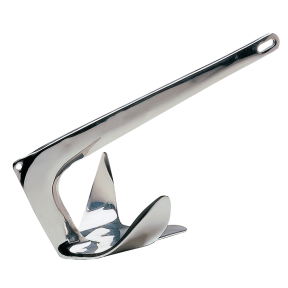
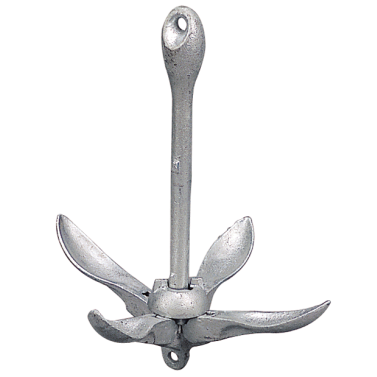
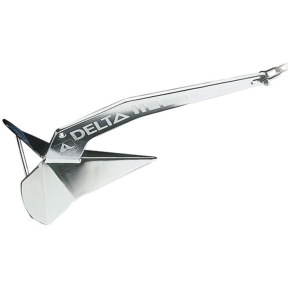
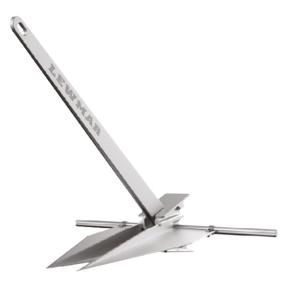
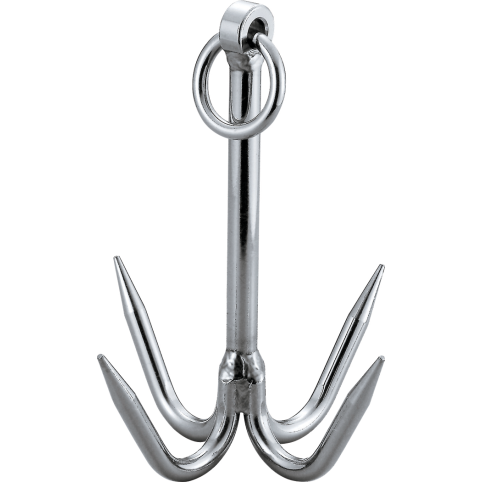
| Claw Anchors | Sand, mud, gravel, rubble, and some rock | Cruising boats and mixed-bottom anchorages | Choose a claw anchor for resetting ability and broad bottom compatibility. |
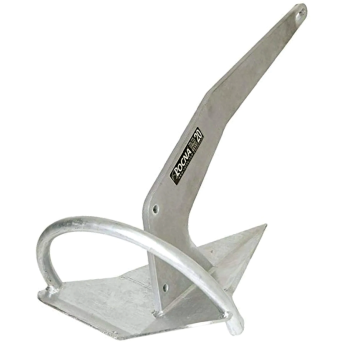
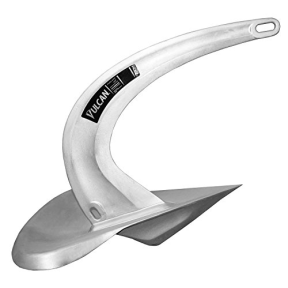
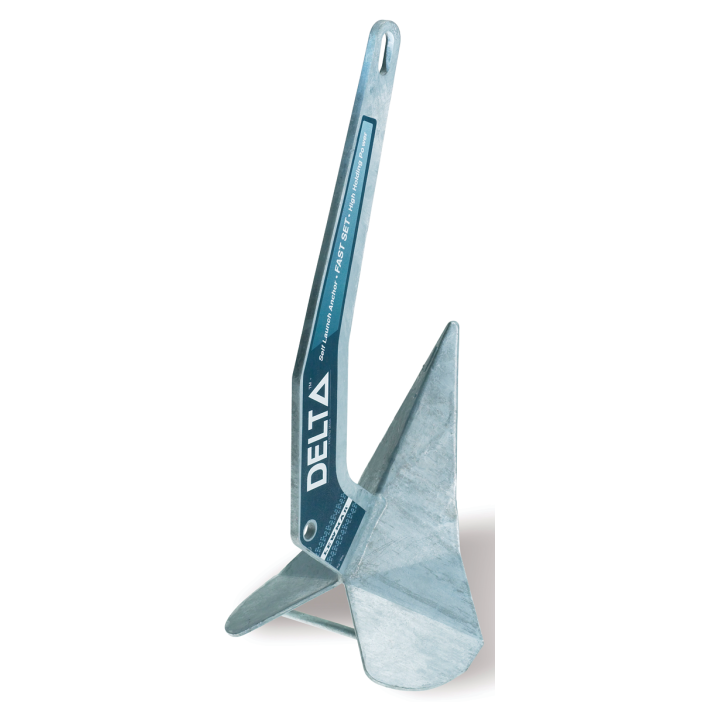
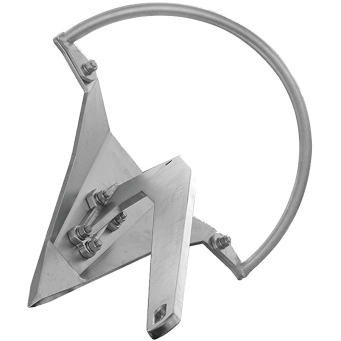
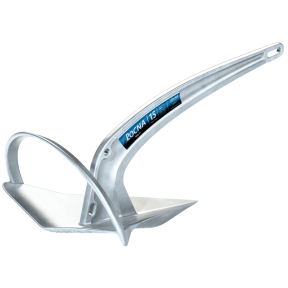
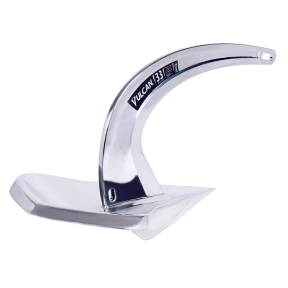
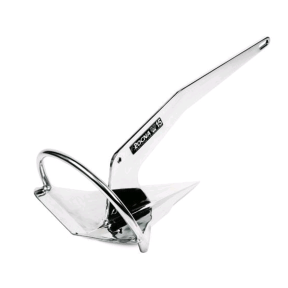
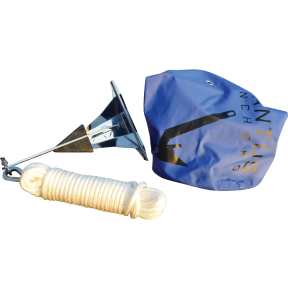
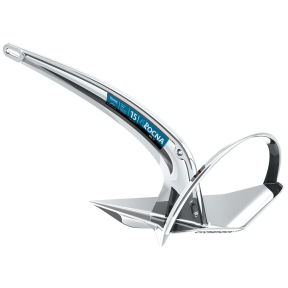
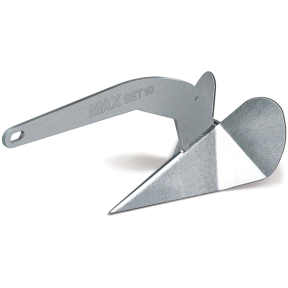
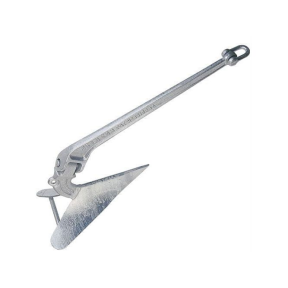
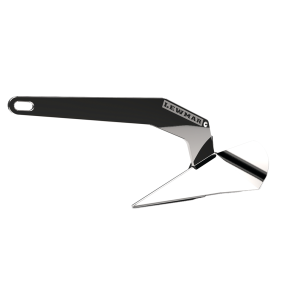
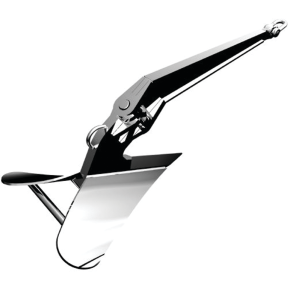
| Scoop (Concave) Anchors | Hard sand, weed/grass | Cruising boats, overnight anchoring, higher holding-power applications | Choose a scoop anchor when holding power and reliable setting are priorities. |
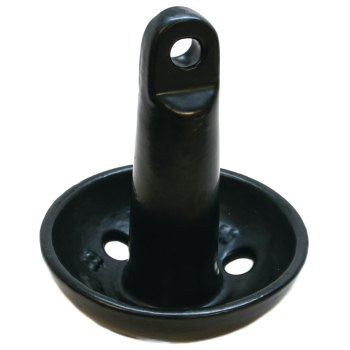
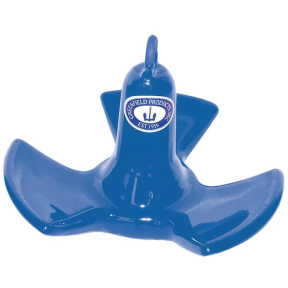
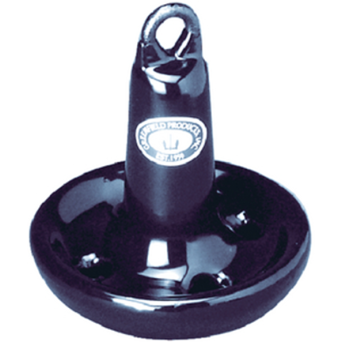
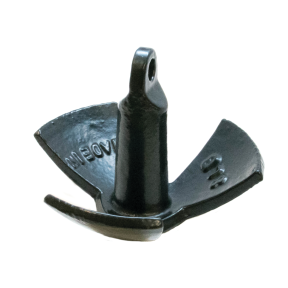
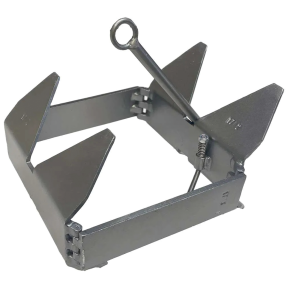
| Mushroom Anchors | Soft mud and silt | Dinghies, tenders, small boats, and moorings | Choose a mushroom anchor for compact small-craft use or soft-bottom mooring setups. |
How to Choose the Right Anchor
- Boat Profile: Note LOA, beam, displacement, and windage.
- Typical Conditions: Primary bottom (sand, mud, grass, rock), expected design wind, and exposure.
- Application: Day trips vs. extended cruising; single vs. twin-anchor tactics.
- Consult Brand Charts: Use manufacturer sizing for conservative recommendations and step up for heavy-displacement or multihulls.
Need help? Our product experts can match your use-case and recommend anchor + rode combinations.
Anchor Rode & Chain: Getting the Mix Right
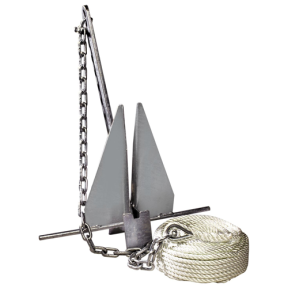
A common setup uses galvanized chain for chafe and catenary plus nylon rope for shock absorption. Chain length and rope diameter should match anchor size and wind load.
- Scope: Typical 5:1 to 7:1 in settled weather; increase for storms.
- Hardware: Use appropriately rated shackles and swivels; inspect regularly.
- Shop anchor chain • anchor rollers • anchor accessories
Brand Guidance & Sizing References
These respected manufacturers publish sizing philosophies and charts you can use alongside our recommendations:
- Rocna: Conservative charts based on ~50 kt wind and poor holding; consider sizing up for multihulls.
- Mantus: Emphasizes surface area and conservative working-anchor sizing for cruising boats.
- Lewmar: Model-specific selection (e.g., Delta®, Claw) and dimensions.
- Fortress: Lightweight, high-holding fluke anchors with sizing based on wind and seabed; step up for storms.
Care & Maintenance
- Rinse with fresh water after use.
- Inspect for bent shanks, worn fluke tips, chain corrosion, and elongated shackle pins.
- Stow in an anchor locker or secure roller; protect deck finishes.
- Replace worn shackles, swivels, chain, or rode promptly.
Frequently Asked Questions
What type of boat anchor should I buy?
Buy a boat anchor that matches your seabed, boat size, and anchoring style. Fluke anchors work well in sand and mud, claw anchors suit mixed bottoms, scoop anchors provide strong holding for cruising boats, and mushroom anchors fit dinghies, tenders, and soft-bottom moorings.
How do I size an anchor for my boat?
Size an anchor using LOA, displacement, windage, hull type, and the manufacturer sizing chart. Heavy-displacement boats, multihulls, exposed anchorages, and overnight cruising often call for a more conservative anchor size than casual day anchoring.
What is the difference between anchor rode and anchor chain?
Anchor rode is the complete connection between the boat and anchor. Anchor chain is one part of that system, adding abrasion resistance and weight near the seabed, while nylon rope adds stretch that reduces shock loads from wind, waves, and current.
Which boat anchor holds best in mud?
Scoop anchors and fluke anchors are common choices for mud because their shapes bury into soft bottom material. Rocna and Mantus scoop anchors are often selected for cruising boats, while Fortress-style fluke anchors can provide high holding power in sand and mud.
Are claw anchors good for cruising boats?
Claw anchors are useful for cruising boats that anchor in varied bottom conditions. Their curved design can reset after wind or tide shifts, and they are often chosen for sand, mud, gravel, rubble, and mixed anchorages where bottom type changes frequently.
How often should I inspect my anchor and ground tackle?
Inspect anchor gear before regular use and after any high-load anchoring event. Check the shank, flukes, roll bar, chain links, shackles, swivels, nylon rode, thimbles, and bow roller for corrosion, bends, sharp edges, wear, or loose pins.