
Effortless Anchoring with Top Windlasses from Fisheries Supply
This page is for boaters seeking a reliable anchor windlass and expert guidance.
Key Takeaways
- Match windlass type (vertical/horizontal) and power (manual/electric/hydraulic) to boat size and ground tackle.
- Size for at least 3× the combined weight of anchor + rode; verify rope/chain compatibility.
- Plan for durability: corrosion-resistant materials, sealed motors, and easy-service gearboxes.
Top Windlass Brands We Carry
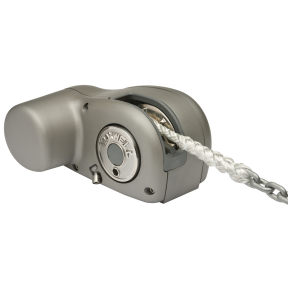
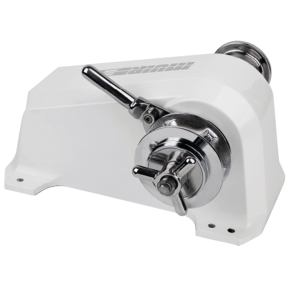
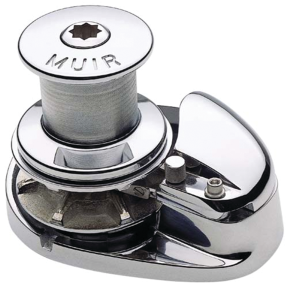
Fisheries Supply carries proven windlasses from leading manufacturers:
Windlass Basics: How It Works
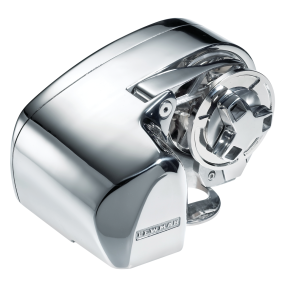
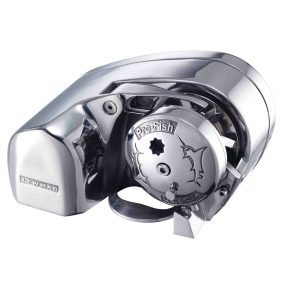
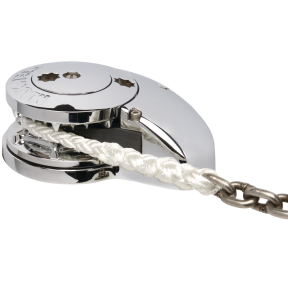
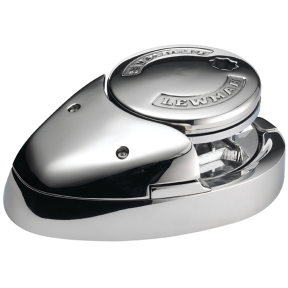
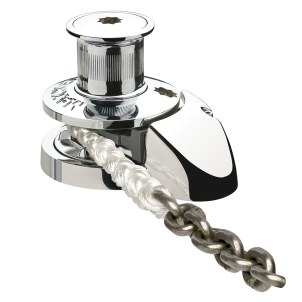
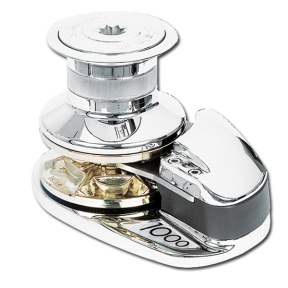
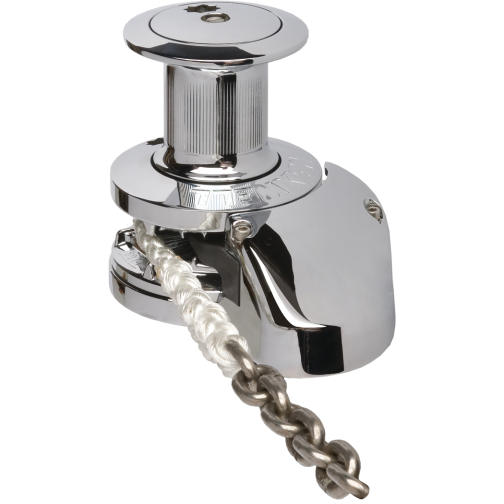
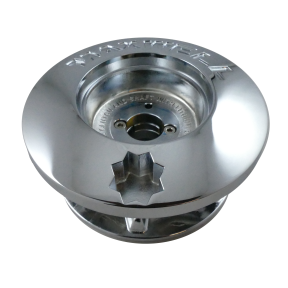
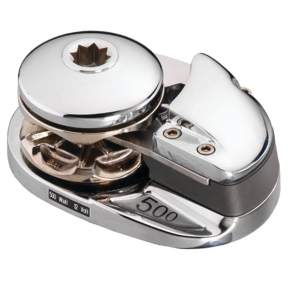
A boat windlass (a.k.a. anchor winch) is a mechanical device mounted at the bow to raise and lower the anchor rode. It uses a gypsy (for rope/chain) or drum to control the rode, taking the strain off the crew and protecting the boat’s foredeck gear during retrieval—especially in rough conditions.
This article reflects manufacturer specs; always verify against your boat’s electrical system and deck layout.
Choosing the Right Windlass
Type & Orientation
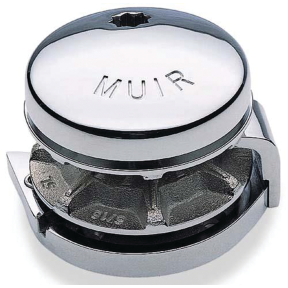
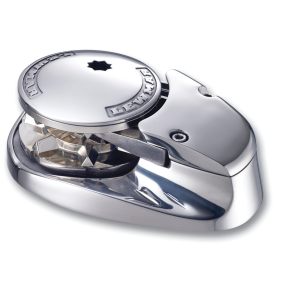
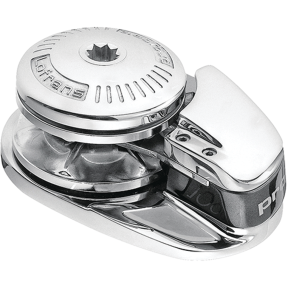
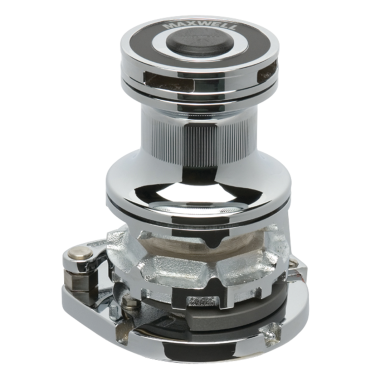
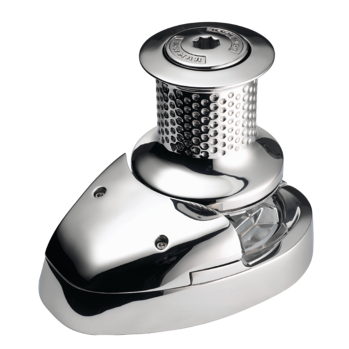
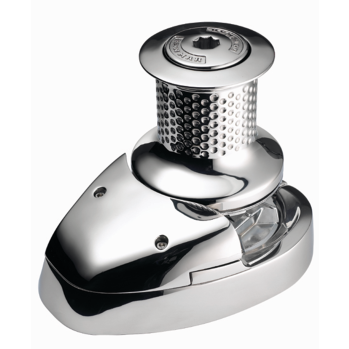
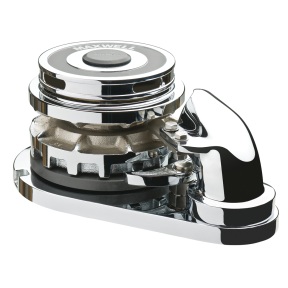
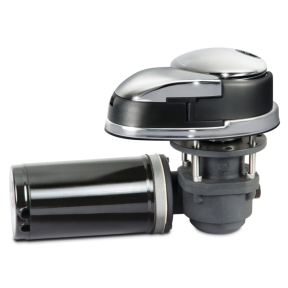
- Vertical windlass — compact above deck; motor below deck; typically improved rope/chain handling.
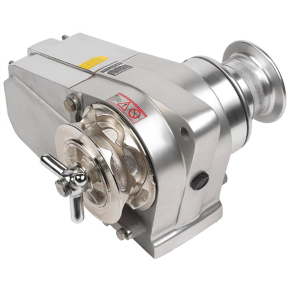
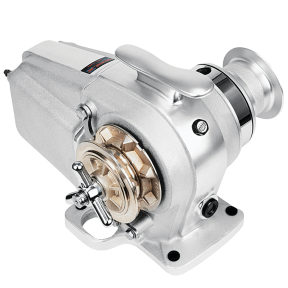
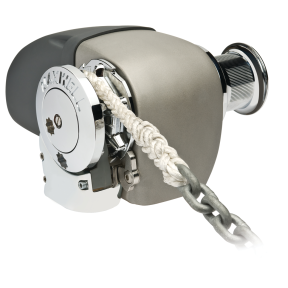
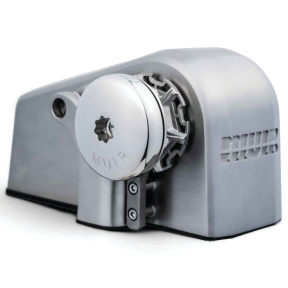
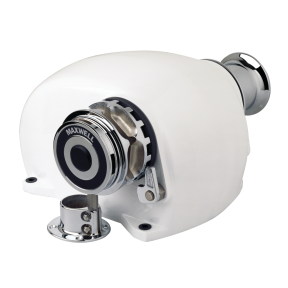
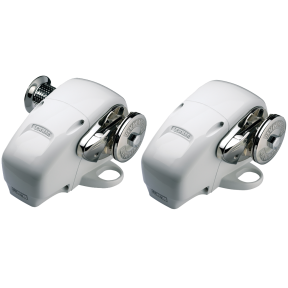
- Horizontal windlass (includes capstan) — simpler installation with all components above deck; useful where below-deck space is tight.
Power Options
- Manual — budget-friendly for smaller boats and minimal electrical capacity.
- Electric — most common; ensure adequate cabling, breakers, and battery capacity.
- Hydraulic — for larger boats and high duty cycles; integrate with onboard hydraulics.
Sizing & Compatibility
- Capacity Rule of Thumb: choose a windlass rated for = 3× the combined weight of anchor + rode.
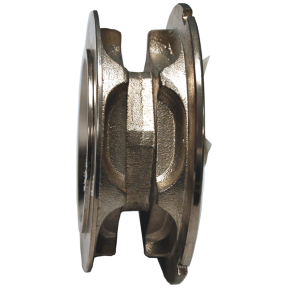
- Rope/Chain Fit: match the gypsy to your chain size (e.g., 1/4 in, 5/16 in, 3/8 in) and rope diameter; verify manufacturer compatibility charts.
- Deck Geometry: confirm fall distance to the locker and straight lead from bow roller to gypsy.
Deep dive into our detailed articles: Selecting a Windlass and Using a Windlass.
Durability & Reliability
- Materials: marine-grade stainless steel and anodized aluminum; sealed motors and gearboxes.
- Serviceability: accessible clutches, manual override, and readily available spare parts.
Windlass vs. Capstan (At a Glance)
- Windlass — anchor handling; vertical or horizontal configurations.
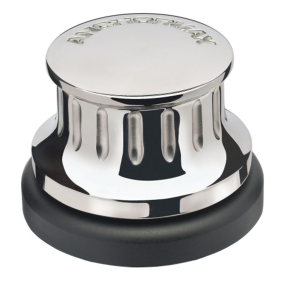
- Capstan — vertically rotating drum for warping or mooring; can complement or be part of a horizontal windlass system.
Operation & Maintenance Essentials
- Regularly rinse with fresh water; check fasteners and electrical connections.
- Lubricate moving parts per manufacturer schedules; inspect clutches and gypsy wear.
- Test the breaker/fuse and foot switches/remote before departures.
Shop Windlasses & Accessories
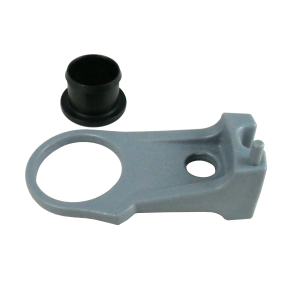
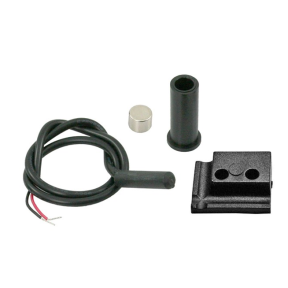
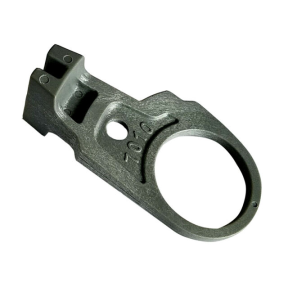
Find complete systems and windlass accessories & parts at Fisheries Supply. We stock multiple brands, chain sizes, switches, circuit protection, and controllers to fit your boat.
Talk to us: Our product experts can help you spec the right windlass for your boat and anchoring style.
Frequently Asked Questions
What’s the main difference between a windlass and a capstan?
A windlass is designed primarily for anchor handling (vertical or horizontal), while a capstan is a vertically rotating drum used for mooring/warping. Some horizontal windlasses incorporate a capstan drum.
Can one windlass handle both rope and chain?
Yes—many models use a combination gypsy sized for a specific chain (e.g., 5/16") and matching three-strand or braid rope. Always confirm the manufacturer’s rope/chain specification.
How do I size a windlass for my boat?
As a guideline, choose a model rated for at least three times the combined weight of your anchor and rode, then validate against the brand’s sizing chart and your boat’s electrical capacity.
What electrical considerations should I plan for?
Use appropriately sized tinned marine cable, a dedicated breaker, and short, direct runs to minimize voltage drop. Follow the windlass maker’s wiring diagram and marine electrical best practices.
How should I maintain a windlass used in saltwater?
Rinse after use, inspect seals and fasteners, lubricate per schedule, and periodically service the clutch/gypsy. Address corrosion promptly.