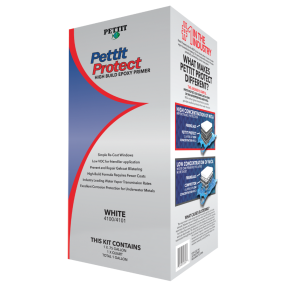
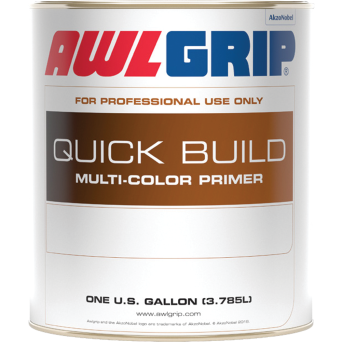
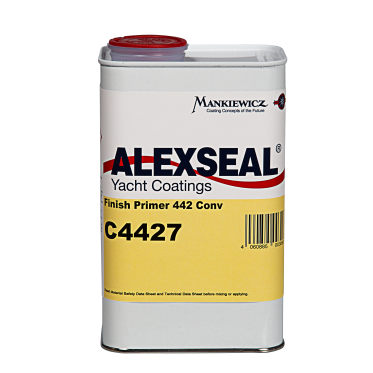
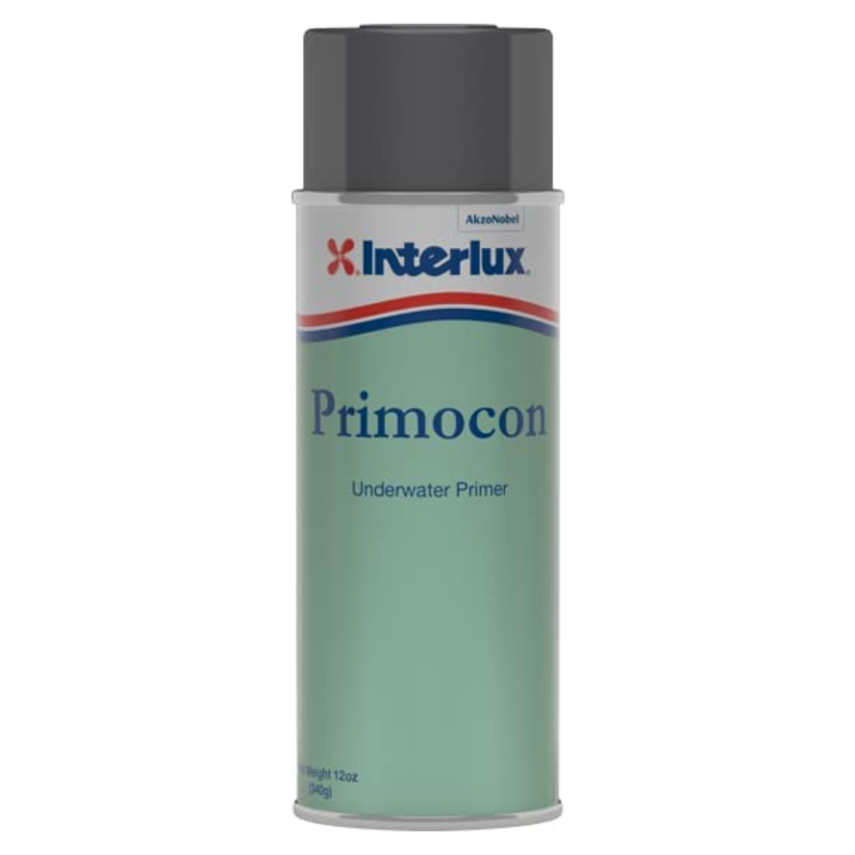
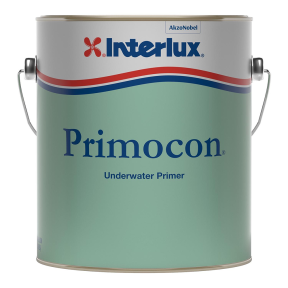
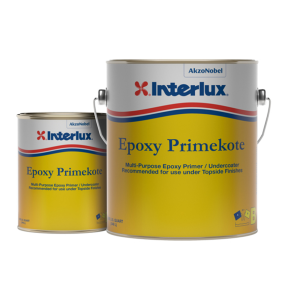
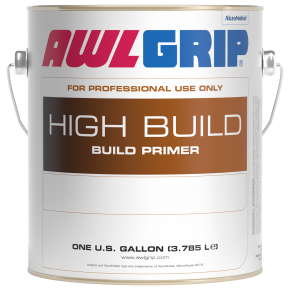
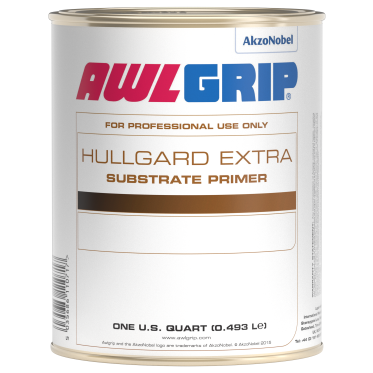
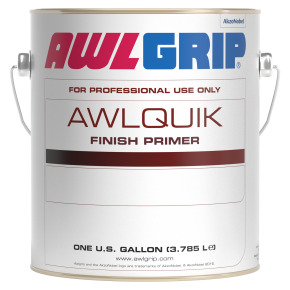
Marine Primer and Undercoat Paint for Your Boat
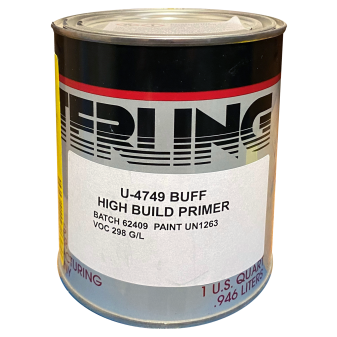
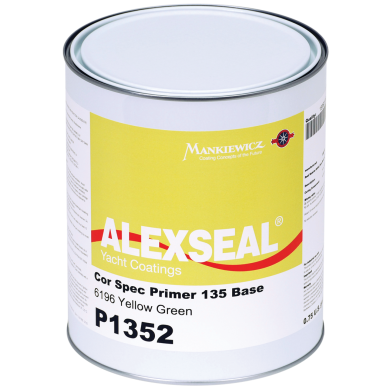
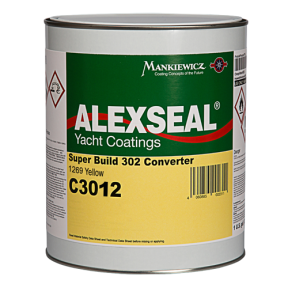
Marine primer and undercoat paint create a durable foundation for antifouling paint, topside paint, and deck coatings. This category is for boat owners and marine professionals preparing fiberglass, aluminum, steel, or wood surfaces above or below the waterline.
Why Marine Primer Matters
A marine primer forms the adhesion layer between a boat surface and its finishing paint. Unlike household primer, marine coating systems are formulated for water exposure, salt, ultraviolet radiation, abrasion, corrosion, and repeated wet-dry cycles.
- Improves adhesion: Helps antifouling paint and topside paint bond to the prepared substrate.
- Controls moisture: Epoxy barrier coats can reduce water absorption and osmotic blistering on fiberglass hulls.
- Reduces corrosion: Compatible metal primers protect properly prepared aluminum and steel.
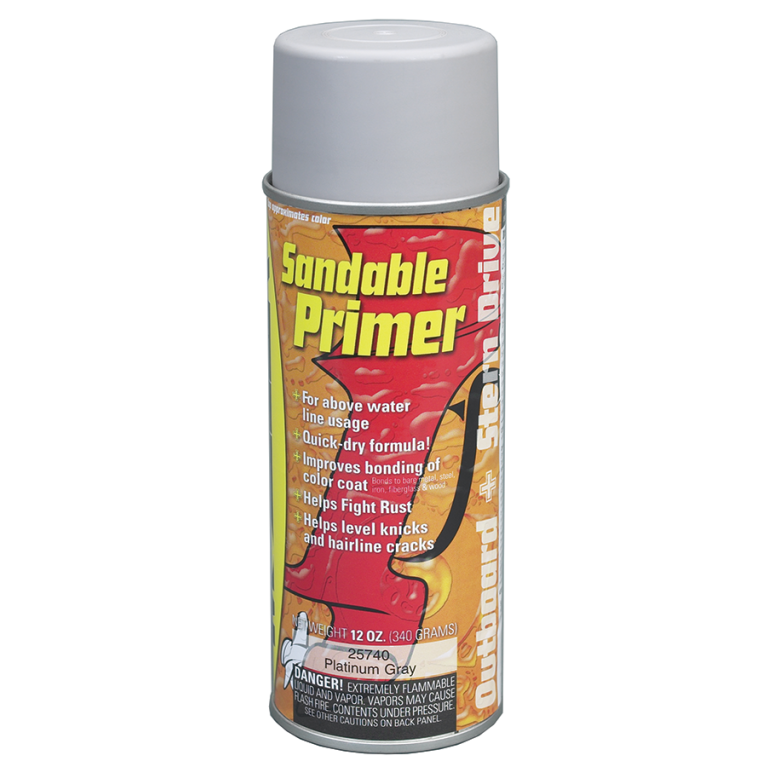
- Refines the surface: Sandable undercoats help create a fair, uniform base for finishing coats.
Types of Marine Primer and Undercoat Paint
| Primer Type | Description | Primary Benefit | Typical Use | Application Factor or Limitation |
|---|---|---|---|---|
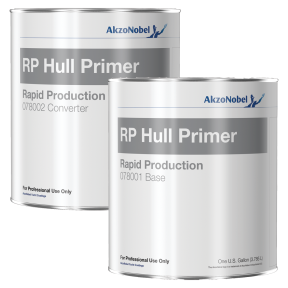
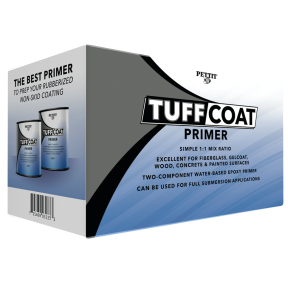
| Epoxy Marine Primers | Two-part primers with strong adhesion and moisture-barrier performance. | Durable bonding and water resistance. | Fiberglass hull barrier systems, prepared aluminum and steel, underwater surfaces, high-wear areas, and corrosion-control systems. | Mixing ratios, pot life, film thickness, and recoat windows are product-specific. |
| Alkyd Marine Primers | Single-part primers with straightforward application, practical sanding characteristics, and compatibility with approved single-part topcoats. | Simple application and easy surface refinement. | Topsides, wood components, and general above-waterline maintenance. | Many alkyd primers are not intended for continuous immersion. |
| Polyurethane Marine Primers | Primers that create a hard, smooth base within compatible high-performance topside systems. | Hard, smooth foundation for scratch-resistant, high-gloss finishes. | Topsides, decks, and other above-waterline surfaces. | Follow the manufacturer's mixing, induction, pot-life, and recoating instructions. |
| Metal Primers | Specialized primers formulated for compatible aluminum or steel substrates. | Corrosion control and coating adhesion. | Prepared aluminum and steel hulls, components, and fittings. | Confirm substrate preparation and compatibility with the full coating system. |
| Antifouling Primers and Tie Coats | Intermediate coatings that connect a prepared hull or existing coating to an approved antifouling paint. | Improved antifouling paint adhesion. | Below-waterline hulls and compatible existing coatings. | Verify compatibility with both the underlying surface and selected antifouling paint. |
| Non-Sanding Primers | Primers formulated to accept a compatible next coat without intermediate sanding under specified conditions. | Reduced preparation time between coats. | Projects requiring faster recoating within an approved paint system. | The next coating must be applied within the stated recoat window. |
Marine Primer Selection by Surface and Use
| Surface or Application | Common Primer Type | Selection Priority |
|---|---|---|
| Fiberglass or gelcoat below the waterline | Two-part epoxy barrier primer | Moisture resistance, osmosis control, and antifouling compatibility |
| Aluminum hull or component | Manufacturer-approved metal or epoxy primer | Aluminum compatibility, corrosion control, and correct surface preparation |
| Steel hull or component | Anti-corrosive epoxy or specified metal primer | Surface profile, corrosion protection, and coating-system compatibility |
| Wood above the waterline | Compatible alkyd, epoxy, or wood primer | Wood condition, grain response, moisture control, and topcoat compatibility |
| Topside or deck finish | Compatible epoxy, alkyd, or polyurethane undercoat | Fairing quality, sandability, hardness, and finish-paint chemistry |
| Existing coating receiving antifouling paint | Compatible tie-coat or antifouling primer | Existing-paint condition, chemical compatibility, and recoat timing |
Primer suitability varies by product. Review the manufacturer's technical data sheet before applying a marine coating to a specific substrate or placing it under continuous immersion.
Marine Primer Brands and Coating Systems
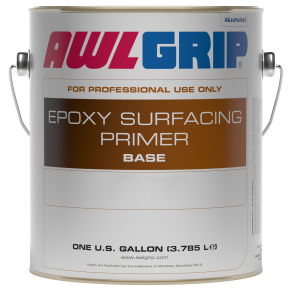
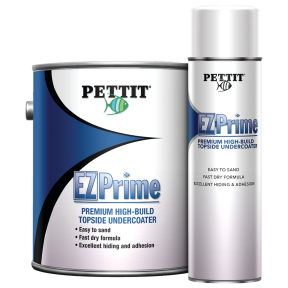
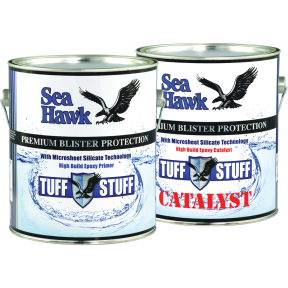
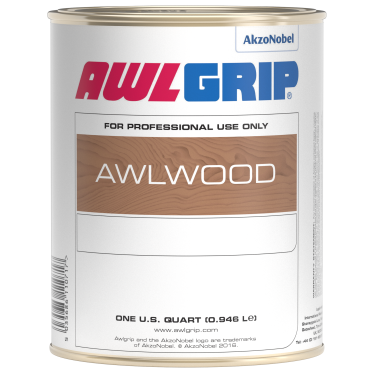
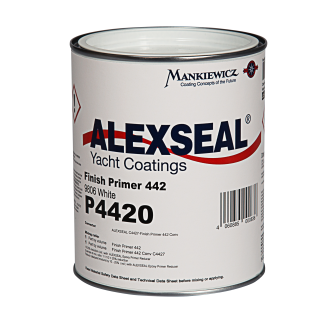
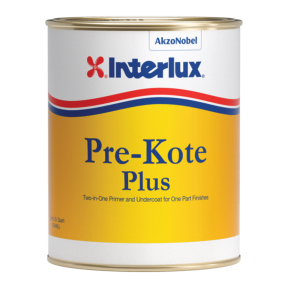
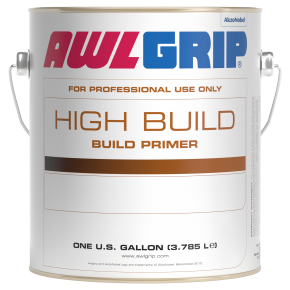
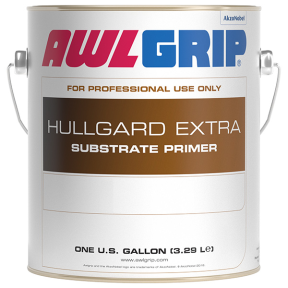
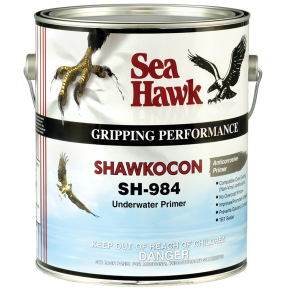
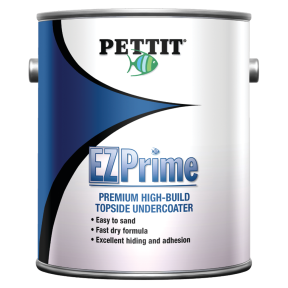
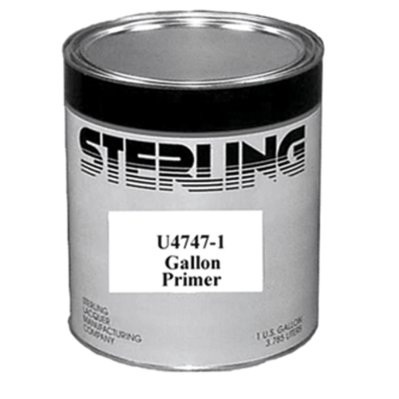
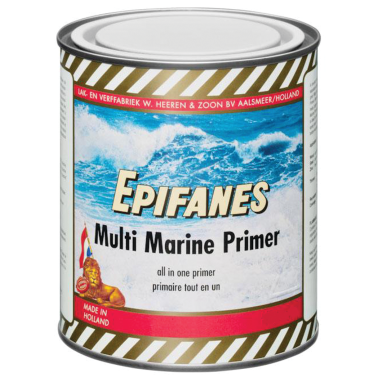
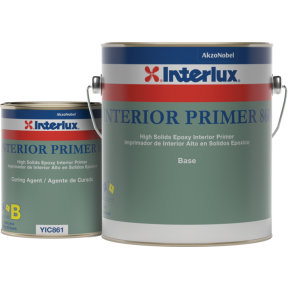
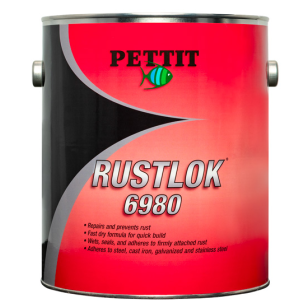
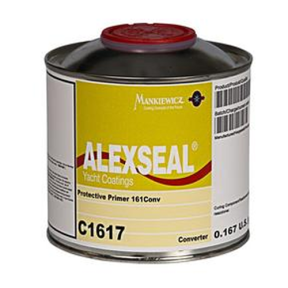
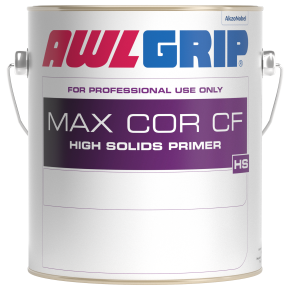
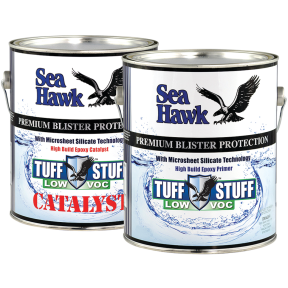
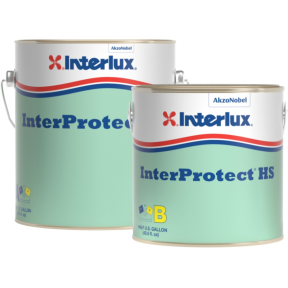
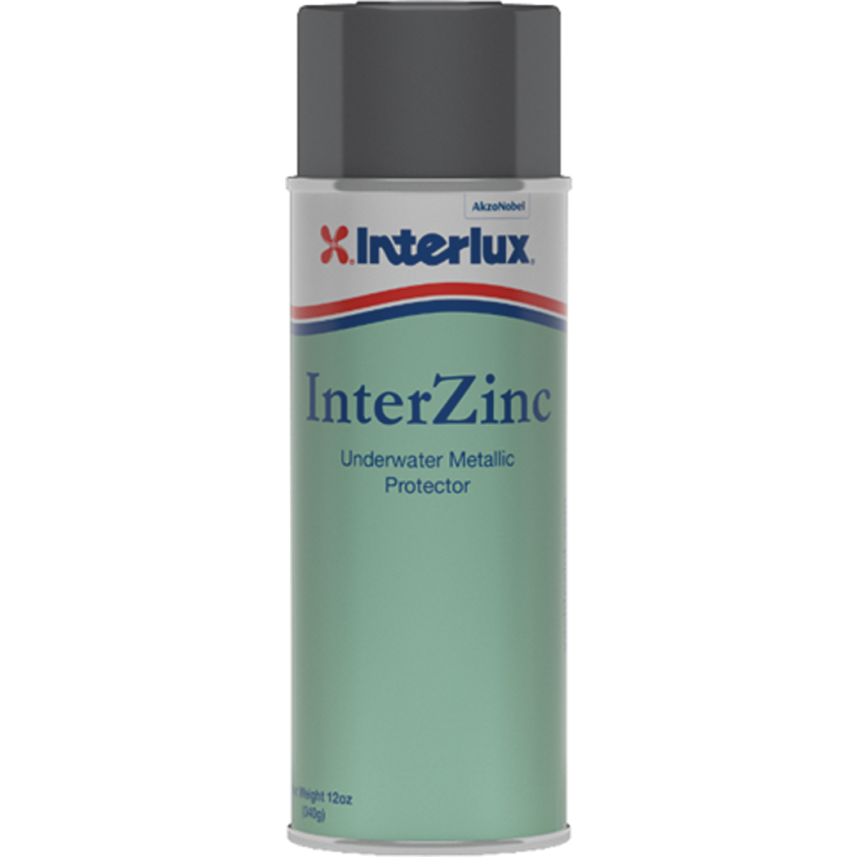
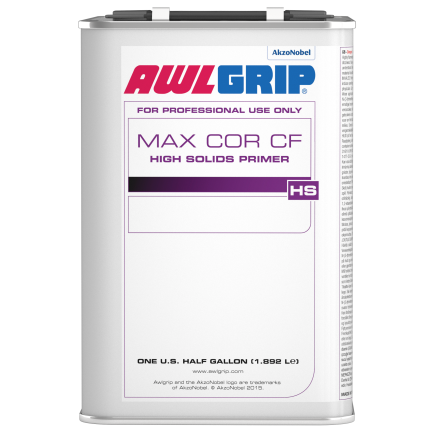
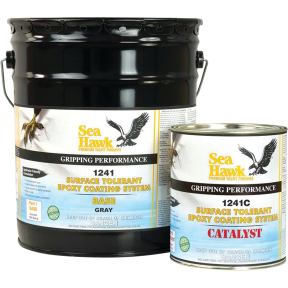
Fisheries Supply carries marine primers and undercoaters from established coating manufacturers. Staying within one manufacturer's approved primer, undercoat, and topcoat system can reduce compatibility problems.
How to Apply Marine Primer
- Clean the surface: Remove wax, salt, oil, grease, marine growth, and loose paint.
- Prepare the substrate: Sand, abrade, or mechanically profile the surface as directed by the coating manufacturer.
- Check conditions: Confirm substrate temperature, air temperature, humidity, ventilation, and dew point requirements.
- Mix and apply: Follow the specified ratio, induction time, pot life, application method, and wet or dry film thickness.
- Observe the recoat window: Apply the next coat within the stated interval or sand the cured primer when directed.
- Fair and finish: Correct surface imperfections before applying a compatible antifouling or topside coating.
For hull repairs and surface refinement, browse boat fairing and seam compounds.
Frequently Asked Questions
What is marine primer used for on a boat?
Marine primer bonds antifouling or topside paint to a prepared boat surface. It can also limit moisture penetration, support corrosion control, and create a uniform base for finishing coats. The correct product depends on the hull material, waterline location, existing coating, and selected paint system.
Which marine primer should I use on a fiberglass hull?
A two-part epoxy barrier primer is commonly used on prepared fiberglass below the waterline because it provides strong adhesion and limits moisture absorption. Above the waterline, the correct primer depends on the topside paint. Check the primer, gelcoat, fairing compound, and finish-coat compatibility before application.
Can marine primer be applied to aluminum or steel boats?
Yes, but aluminum and steel require primers specifically approved for the metal and coating system. Proper cleaning, oxide or rust removal, surface profiling, and prompt coating are critical. Review the technical data sheet because preparation methods and compatible antifouling or topside paints differ between aluminum and steel.
What is the difference between epoxy and alkyd marine primer?
Epoxy primer typically provides greater moisture resistance, adhesion, and underwater durability, while alkyd primer offers simpler single-part application for many above-waterline projects. Product ratings vary, so confirm immersion approval, substrate compatibility, sanding requirements, cure time, and topcoat chemistry before choosing either marine primer type.
Do marine primer and boat paint need to be the same brand?
Not always, but every coating must be chemically compatible and approved for the intended sequence. Using one manufacturer's documented primer, undercoat, and topcoat system simplifies product selection. When combining brands, compare both technical data sheets or obtain written compatibility guidance before coating the boat.
Do I need to sand marine primer before applying the next coat?
Sanding depends on the primer and its recoat window. Some epoxy and non-sanding primers accept the next coat without sanding when recoated within a specified interval. If the primer cures beyond that interval, sanding may be required to restore mechanical adhesion. Follow the product data sheet.