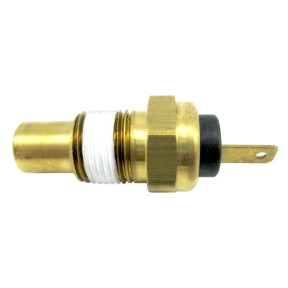
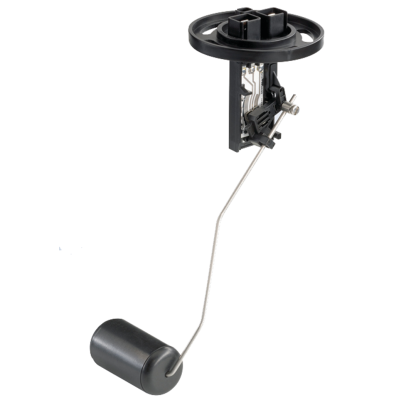
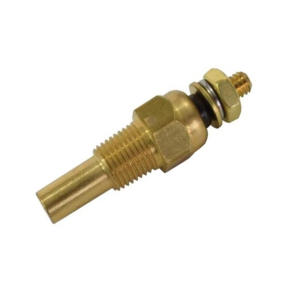
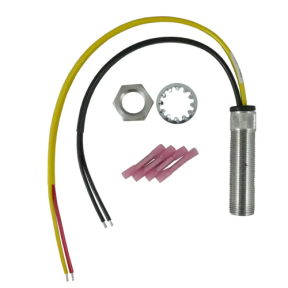
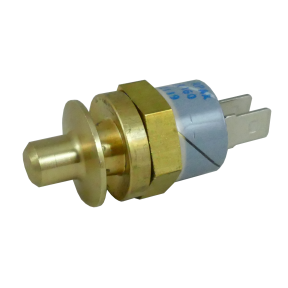
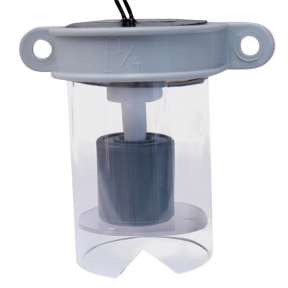
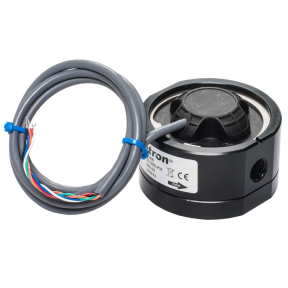
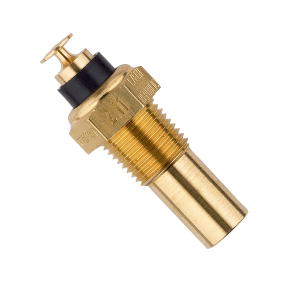
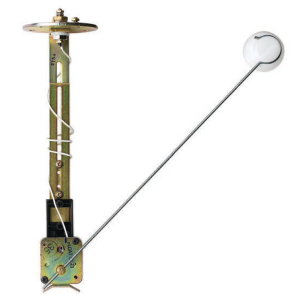
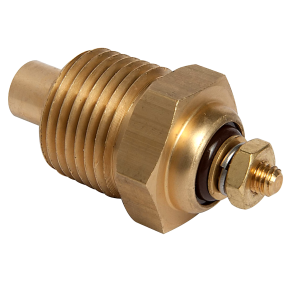
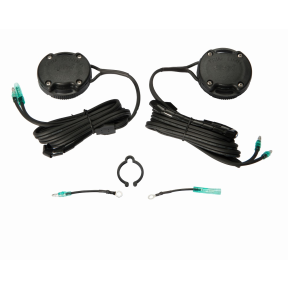
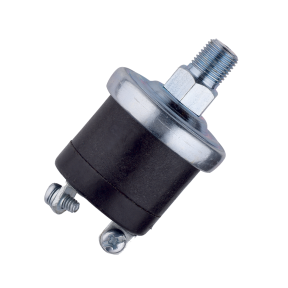
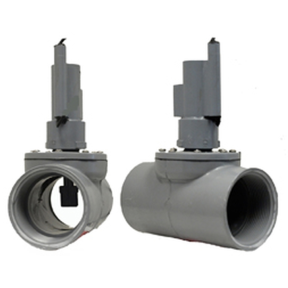
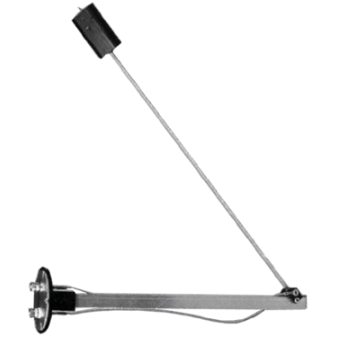
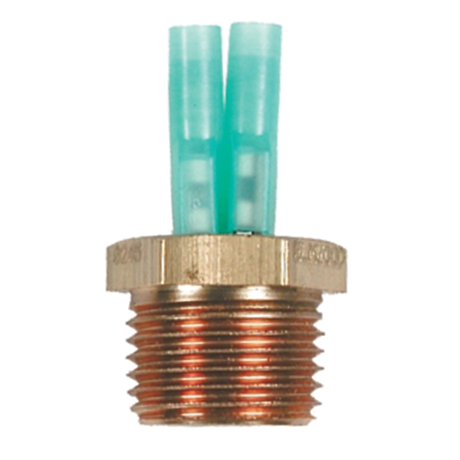
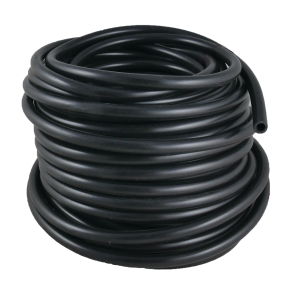
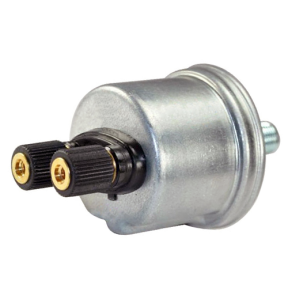
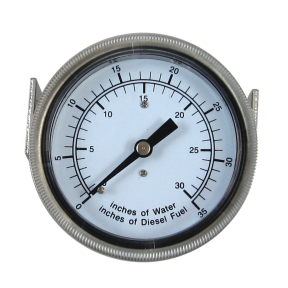
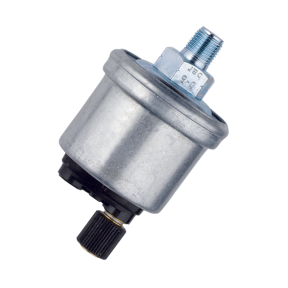
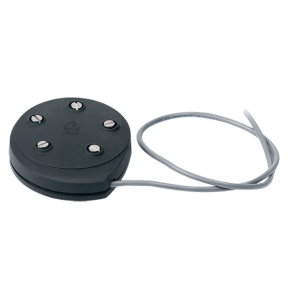
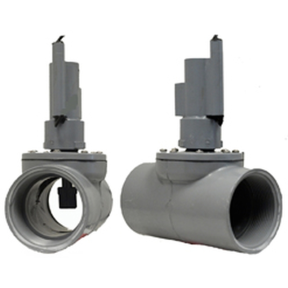
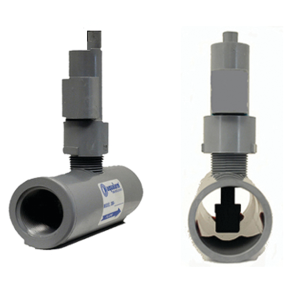
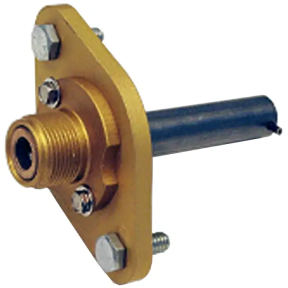
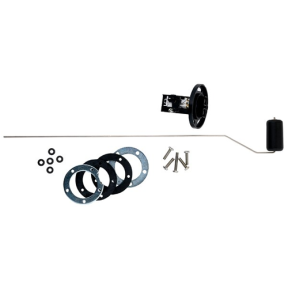
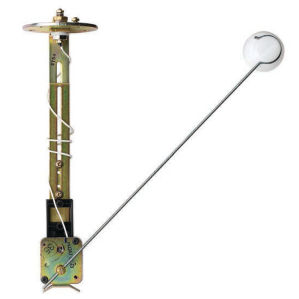
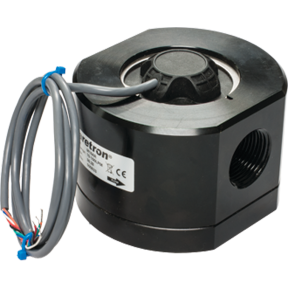
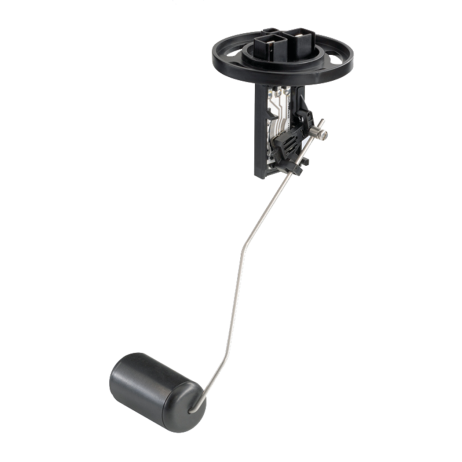
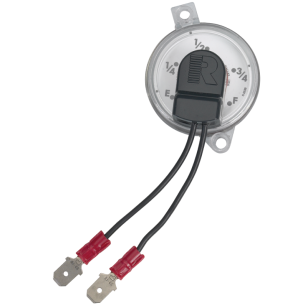
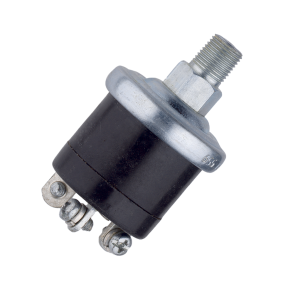
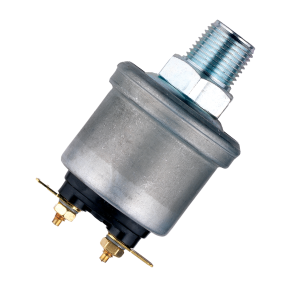
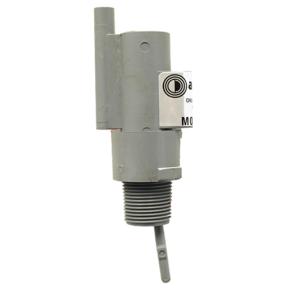
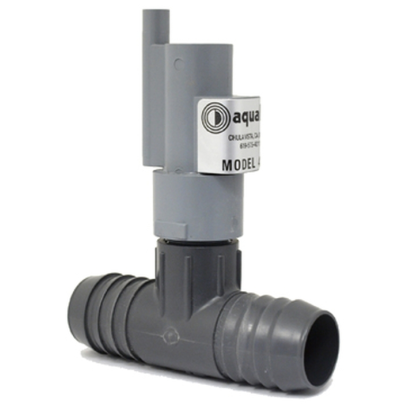
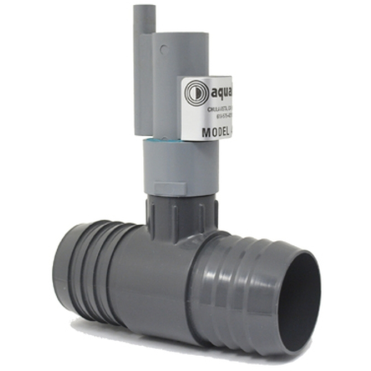
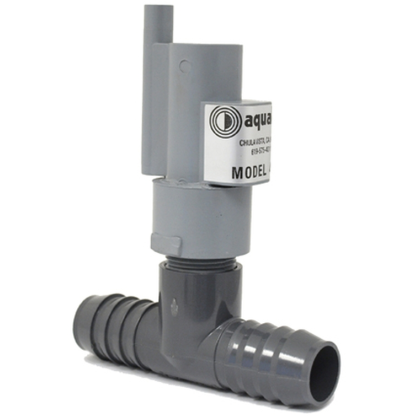
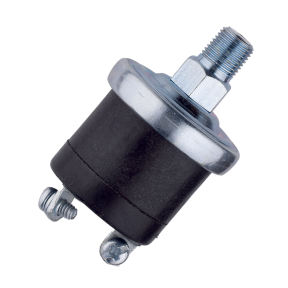
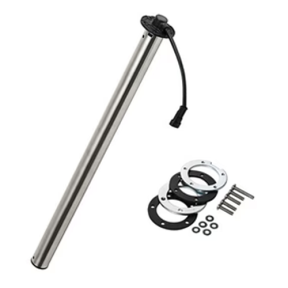
Marine fuel sending units measure fuel inside a boat’s tank and transmit level data to a compatible fuel gauge. Boat owners can use fuel senders and fuel level sensors to monitor consumption, identify inaccurate readings, and reduce the risk of an unexpected fuel shortage.
Key Takeaways
Why Accurate Marine Fuel Monitoring Matters
Accurate fuel monitoring helps boat operators plan fuel use and avoid running out offshore. A working fuel sending unit converts the position of a float into an electrical resistance signal that the boat’s fuel gauge displays as the estimated fuel level.
Marine Fuel Sending Units and Sensors
Topic
Details
Fuel-Level Measurement
Boat fuel level sensors use float movement and electrical resistance to communicate the estimated tank level. Marine fuel tank sending units are available for different tank configurations, so compatibility should be checked before replacing or upgrading a sender.
Replacement and Upgrade Options
Fisheries Supply carries marine fuel sending units for a range of boat models, fuel gauges, and tank configurations. Common signs of a faulty sender include inaccurate readings, a dead gauge, or displayed fuel levels that fluctuate without matching the tank volume.
Fuel Sender Selection
Compare the tank depth, sender dimensions, mounting configuration, electrical resistance range, wiring connections, and gauge compatibility. Manufacturer instructions should govern installation and calibration requirements for the selected marine fuel sender.
How to Choose a Boat Fuel Sending Unit
Selection Option
What to Check
Why It Matters
Tank depth
Measure the tank and confirm clearance for the float.
Incorrect sizing can restrict movement or damage the sender.
Tank configuration
Check the tank shape, capacity, mounting location, and opening.
The sender must fit the physical tank configuration.
Resistance range
Match the sender’s electrical resistance range to the fuel gauge.
An incompatible range can produce inaccurate gauge readings.
Electrical connections
Inspect sender wiring, terminals, and gauge connections.
Loose or damaged wiring can interrupt the resistance signal.
Calibration
Follow the manufacturer’s calibration procedure for the tank.
Calibration improves readings for the tank’s shape and capacity.
Fuel Sender Installation and Troubleshooting
Before Replacing a Fuel Sender
Confirm that the gauge receives power and responds correctly.
Inspect the wiring and electrical connections for damage or looseness.
Verify the sender’s resistance range against the dashboard gauge.
Measure the fuel tank depth and available float clearance.
Follow the manufacturer’s instructions for mounting and calibration.
Frequently Asked Questions
What does a marine fuel sending unit do?
A marine fuel sending unit measures the fuel level inside a boat’s tank and transmits an electrical resistance signal to the fuel gauge. As the float moves with the fuel level, the sender changes resistance, allowing the dashboard gauge to display an estimated amount of fuel remaining.
How do I choose the correct fuel sending unit for my boat?
Choose a fuel sending unit by matching the tank depth, mounting configuration, available float clearance, electrical resistance range, and dashboard gauge. Measure the tank before ordering and compare the results with the manufacturer’s specifications. The sender and gauge must use compatible resistance ranges for accurate readings.
What are the signs of a faulty boat fuel sender?
Common signs include a fuel gauge that remains empty or full, fluctuates unexpectedly, or displays a level that does not match the tank contents. Faulty wiring, loose electrical connections, an incompatible resistance range, or a damaged float can produce similar symptoms, so inspect the complete circuit.
Can I install a marine fuel sending unit myself?
Many boat owners with suitable mechanical and electrical knowledge can install a marine fuel sending unit. Follow the manufacturer’s instructions, isolate the electrical system, verify gauge compatibility, inspect the mounting surface, and calibrate the sender correctly. Consult a qualified marine technician when the tank or wiring is difficult to access.
Why does my boat fuel gauge give inaccurate readings?
Inaccurate readings can result from poor calibration, damaged wiring, loose terminals, restricted float movement, or an incompatible sender and gauge resistance range. Tank shape can also affect how the displayed level corresponds to actual fuel volume. Inspect each component before replacing the marine fuel sending unit.
Does a replacement fuel sender need to be calibrated?
A replacement fuel sender may require calibration according to the manufacturer’s instructions and the boat’s tank configuration. Calibration helps the sender account for tank depth, shape, and capacity. Skipping this step can cause the dashboard fuel gauge to display readings that do not accurately represent the remaining fuel.
We use cookies to improve your browsing experience and analyze site traffic.
By clicking “Accept”, you consent to our use of cookies.
Read our privacy policy