





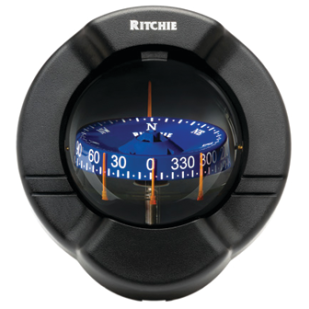
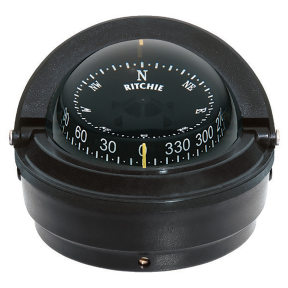
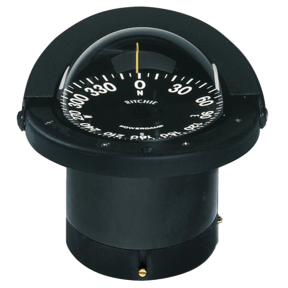
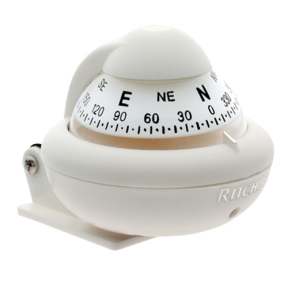
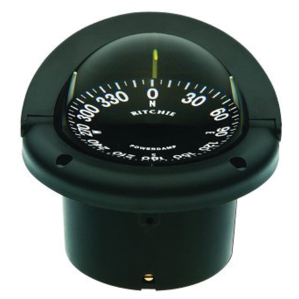
Marine Compasses & Accessories
Accurate, readable, and reliable heading information for recreational boaters, cruisers, and racers. Compare magnetic and electronic models, mounting options, and sizes.
Key Takeaways
- Choose magnetic compasses for passive, non-electronic reliability; select electronic/racing compasses for large digits and tactical racing data.
- Match dial size to boat length and viewing distance; ensure proper lubber line alignment and low magnetic interference at the helm.
- Premium movements use a hardened steel pivot and sapphire jewel for smooth, fast settling.
- Maintain by checking fluid, lighting, and deviation; bubbles signal servicing needs.
Precision Navigation for Every Boat
From a general-purpose helm compass for powerboats to high-accuracy sailing instruments for dinghies and keelboats, Fisheries Supply stocks compasses for day cruising, passagemaking, and one-design racing.
Trusted Brands
Shop leading manufacturers known for precision and durability:
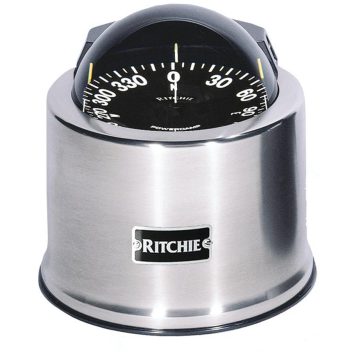
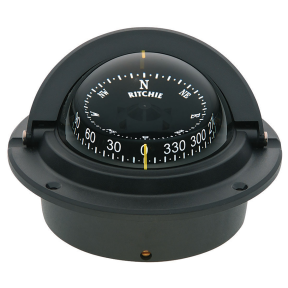
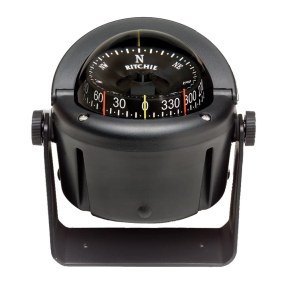
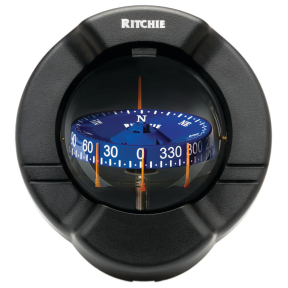
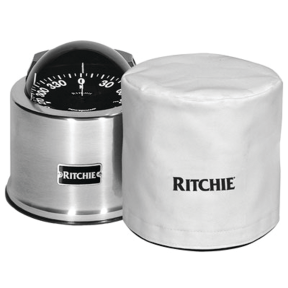
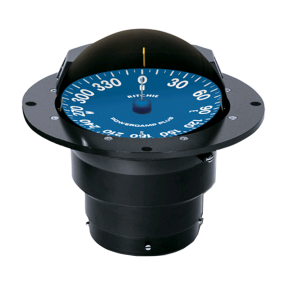
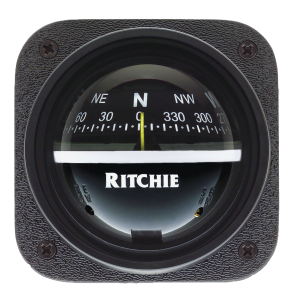
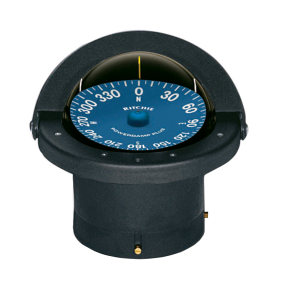
- Ritchie Navigation — magnetic compasses with sapphire jewel/hardened steel pivot movements for smooth lock-on.
- Weems & Plath — hand-bearing and bulkhead models with accessible manuals and service support.
- Velocitek — class-legal electronic racing compasses with high-visibility displays.
Mounting Styles
Choose a mounting style that aligns with your helm layout and sightlines:
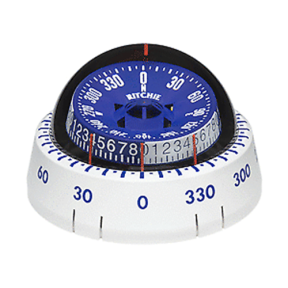
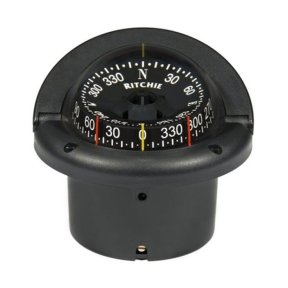
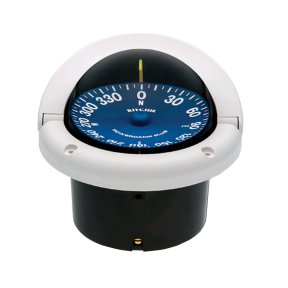
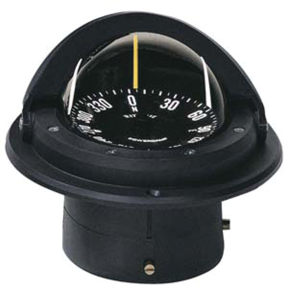
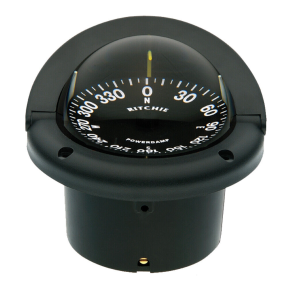
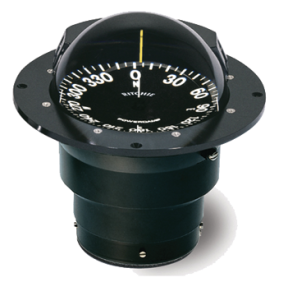
- Flush-mount: clean console integration for fixed helms and center consoles.
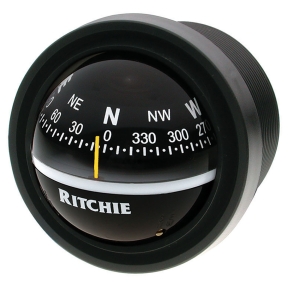
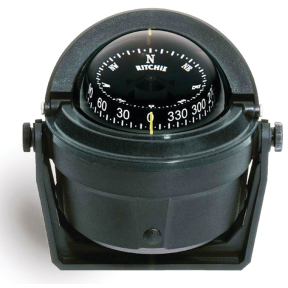
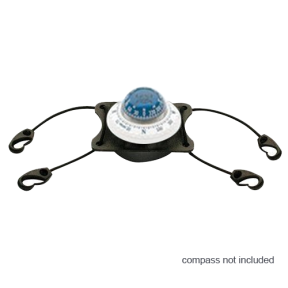
- Bracket/steering-mount: adjustable viewing angles; ideal for retrofit and smaller helms.
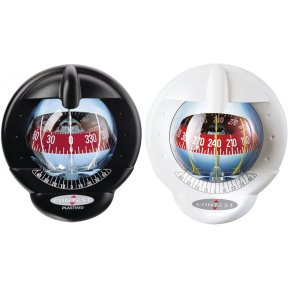
- Bulkhead/pedestal: sightlines readable from both sides of the cockpit on sailboats.
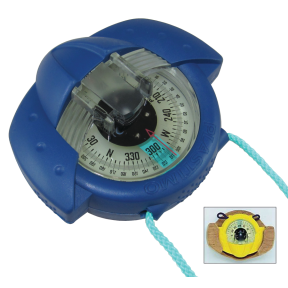
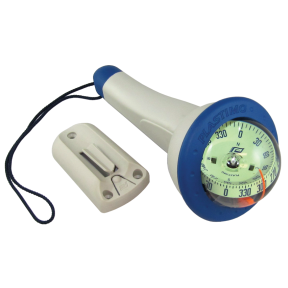
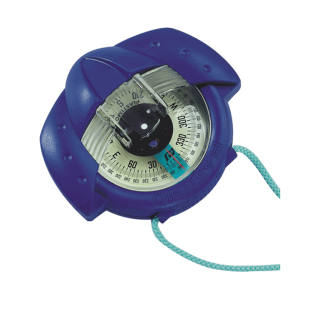
- Hand-bearing: bearing fixes, piloting, and race starts.
- Electronic racing: large digits and tactical modes without extra instruments.
How to Choose the Right Compass
- Dial Size Guidelines: Dial diameter correlates with readability and stability—especially offshore. Use these practical ranges (consider helm distance and motion):
- Under 20 ft: approx. 2–3 in dial.
- 20–35 ft: approx. 3–4 in dial.
- 35 ft+: approx. 4–5 in dial.
- Placement & Alignment: Mount directly ahead of the helm, with the lubber line parallel to the boat centerline. Verify minimal magnetic deviation (check for speakers, wiring, or steel near the bowl).
- Movement & Build Quality: Look for movements using a sapphire jewel and hardened steel pivot, which reduce friction and settle headings faster in chop.
- Magnetic vs. Electronic:
- Magnetic: passive, always-on reliability; unaffected by power loss; requires deviation checks.
- Electronic (racing): jumbo digits, timing/shift cues, and light weight—class-legal in many fleets.
Care, Calibration & Accessories
- Routine checks: inspect fluid level and lighting; ensure the card moves freely and settles quickly.
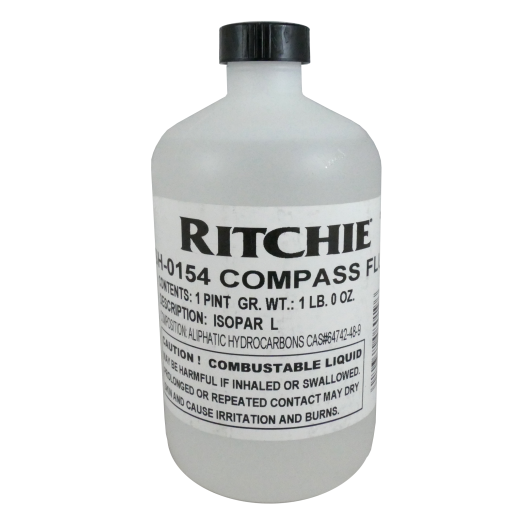
- Fluid & bubbles: small bubbles indicate temperature/pressure changes or minor seepage; persistent bubbles warrant service or fluid replacement per manufacturer guidance.
- Steering to course: align the selected heading to the lubber line and steer to keep it fixed.
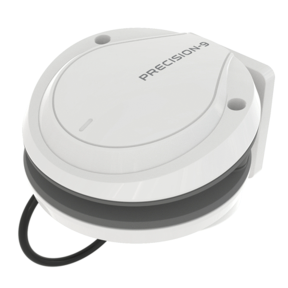
- Integration: use a compass alongside GPS/plotter data for real-time heading and redundancy.
Frequently Asked Questions
What type of compass is best for my boat?
Small open boats benefit from compact bracket or flush-mount magnetic models; cruisers often choose larger flush/bulkhead units; racers favor lightweight electronic compasses with big digits.
What’s the difference between a flat card, direct-read, and CombiDial?
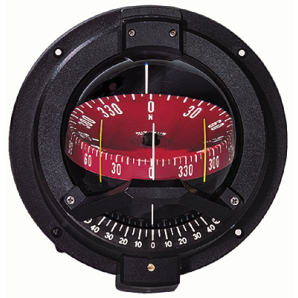
Flat card dials present a plan view; direct-read domes show headings head-on; CombiDial styles blend both for multiple sightlines at the helm.
How do I maintain accuracy over time?
Keep the compass clean and illuminated, check for bubbles, and periodically assess deviation after electrical or hardware changes near the helm.
Can I replace the fluid if it leaks?
Yes—many models allow fluid replacement with manufacturer-specified oils. Follow the brand’s manual or service center instructions.
Where should the compass sit relative to the helm?
Centerline, directly ahead of the steering position, with the lubber line parallel to the boat’s centerline and free of nearby magnets or ferrous metals.