




Marine Electrical Wiring
Marine electrical wiring includes marine-grade wire, cable, connectors, and related components for installing, repairing, or upgrading a boat’s electrical system. Choose wire and connectors that suit the installation, and check the specific product’s ratings and compatibility before use.
What Is Marine-Grade Wire?
Marine-grade wire, also called boat wire or primary wire, is designed for use in marine environments where wiring may be exposed to water or moisture. The source describes wire with tin-coated conductors as a way to help resist oxidation and corrosion, and notes that marine wire is available in different gauges, colors, and lengths.
Wire and cable constructions vary. Check the product details for the insulation, conductor, and standards information that applies to the specific wire you are considering.
Marine Electrical Connectors and Wire Connectors
Connectors join wires and cables in a marine electrical system. The source describes marine connectors as corrosion-resistant and available with locking mechanisms. Check that a connector is compatible with the wire type and size, including tinned copper, duplex, triplex, or multi-conductor cable where applicable.
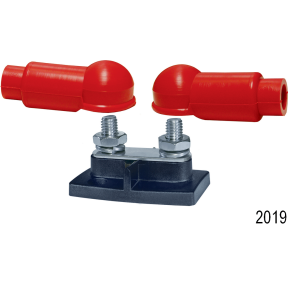
Related components include marine cable, busbars, battery terminals, shrink tubing, and crimp terminals. The source lists Ancor, FTZ Industries, Blue Sea Systems, and Sea Dog Line among the available brands.
Installation and Connection Considerations
For connections, the source recommends tinned terminals, double-crimp connections, and sealing with heat-shrink tubing or glue-lined tubing; it also mentions dielectric grease. Follow the instructions for the specific wire and connector, and confirm that the materials are suitable for the application.
Simple tasks such as cleaning terminals, replacing fuses, and minor rewiring may be suitable for DIY work. For more complex installations, including multi-bank or inverter systems, consult a qualified marine electrician.
Frequently Asked Questions
What type of wire should I use for marine applications?
Use marine-grade wire suited to the installation. The source recommends marine-grade tinned copper wire, such as duplex or triplex cable, with heat- and oil-resistant insulation; check the specific product’s standards information and compatibility.
How can I help prevent corrosion in marine electrical connections?
Use compatible terminals and connectors, make secure crimps, and seal connections with heat-shrink or glue-lined tubing where appropriate. The source also recommends dielectric grease; follow the product instructions for the connection.
Can I do marine wiring myself, or should I hire a professional?
Cleaning terminals, replacing fuses, and minor rewiring may be DIY-friendly. For more complex installations, including multi-bank or inverter systems, consult a qualified marine electrician.