Outboard Steering Systems
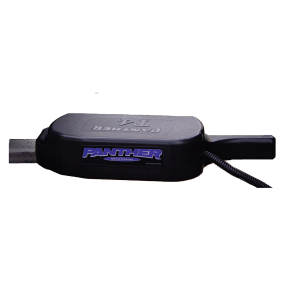
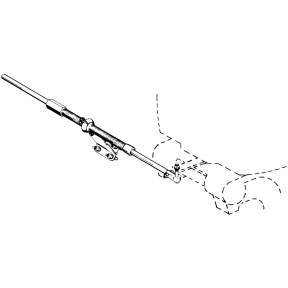
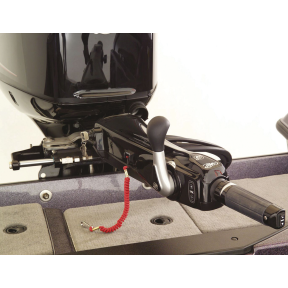
Outboard steering systems connect the helm, steering cable, hydraulic cylinder, linkage, or electronic control to the outboard motor so boaters can steer safely and predictably. This category is for boat owners comparing mechanical steering, hydraulic steering, kicker motor steering linkage, steering cables, ball joints, fairleads, connector rods, and tiller extension handles.
Main Types of Outboard Motor Steering Systems
Outboard motor steering systems generally fall into mechanical, hydraulic, and electronic categories. The right choice depends on vessel size, engine horsepower, steering load, desired helm feel, and whether the boat uses a primary engine, a kicker motor, or both.
| Steering Type | Best Use Case | Key Benefit | Common Consideration |
|---|---|---|---|
| Mechanical Cable Steering | Small to mid-size outboard boats with moderate horsepower | Direct feel, straightforward installation, and widely available replacement cables | Cables can bind from corrosion, tight routing, or dried grease |
| Hydraulic Steering | Larger boats, heavier outboards, and higher-horsepower applications | Lower steering effort, smoother control, and better torque management | Requires compatible helm, hoses, hydraulic cylinder, fittings, and fluid maintenance |
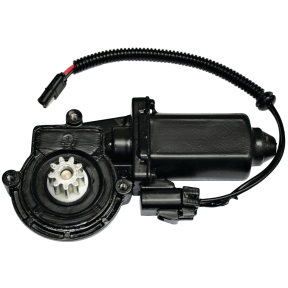
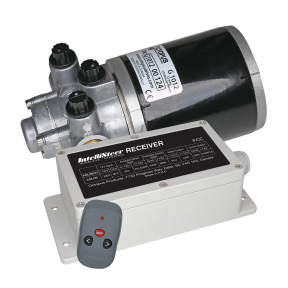
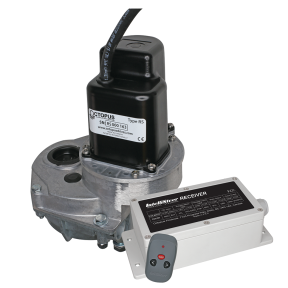
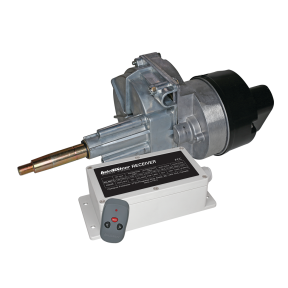
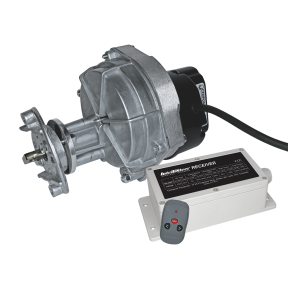
| Electronic Steering | Modern premium outboard installations and integrated helm systems | Power-assisted or steer-by-wire response with advanced control integration | Installation and diagnostics usually require system-specific components and procedures |
Outboard Steering Kit Components
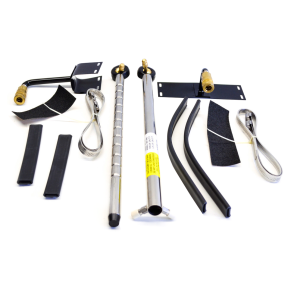
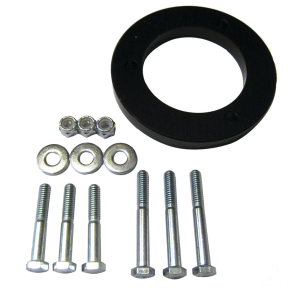
A complete outboard steering kit combines the components needed to transfer steering input from the helm or tiller to the engine. Matching components correctly helps protect steering performance, linkage geometry, and long-term reliability.
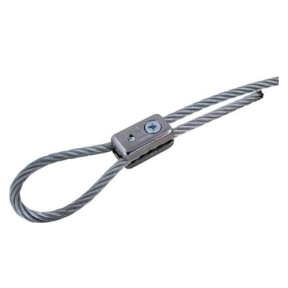
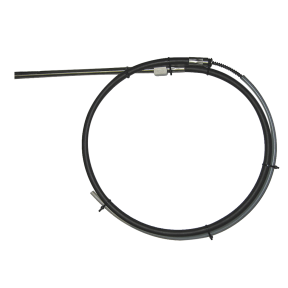
- Steering cables: Push-pull cables transmit helm movement to the engine on mechanical steering systems.
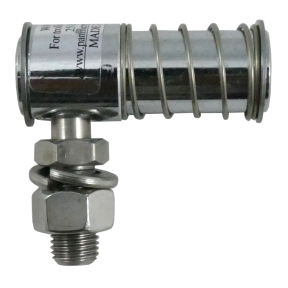
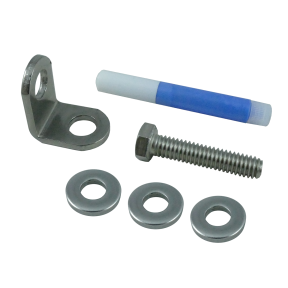
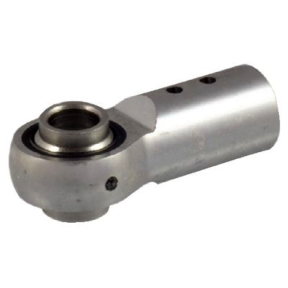
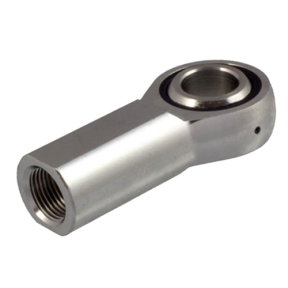
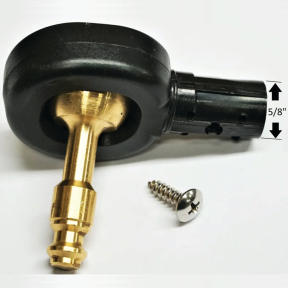
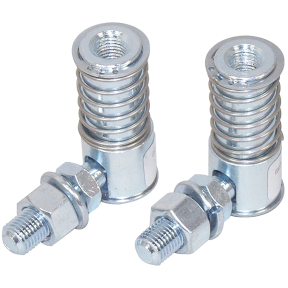
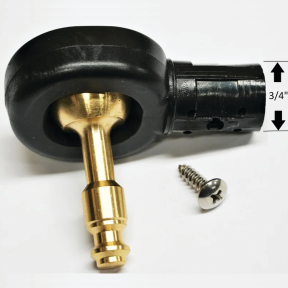
- Ball joints: Articulating joints allow steering linkage to move smoothly as engine angle changes.
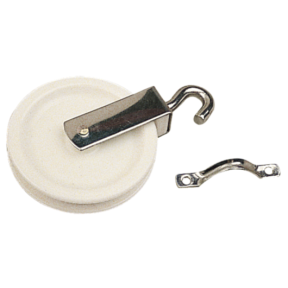
- Fairleads: Cable guides help route steering cable assemblies and reduce unwanted chafe or misalignment.
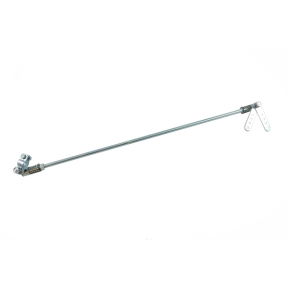
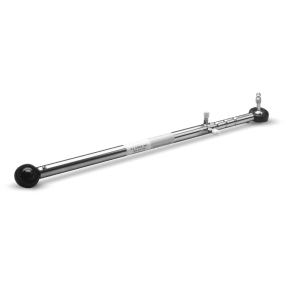
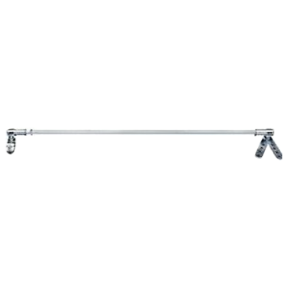
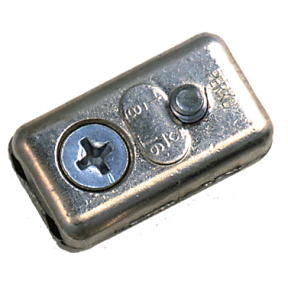
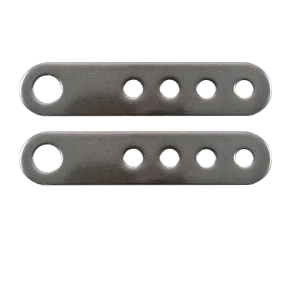
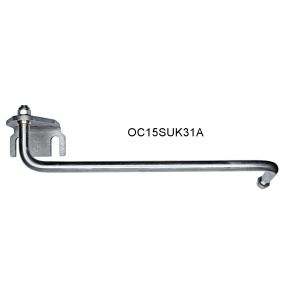
- Connector rods: Rigid rods transfer motion between steering components, outboards, or auxiliary engines.
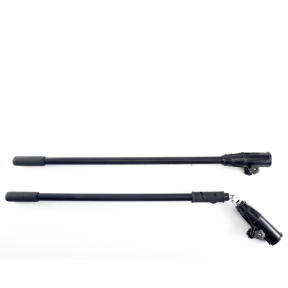
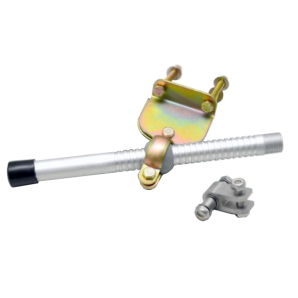
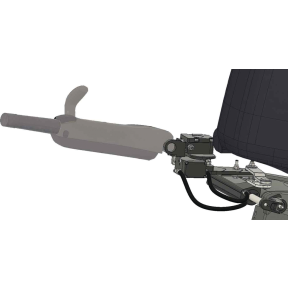
- Tiller extension handles: Extension handles improve operator reach and control on tiller-steered outboards.
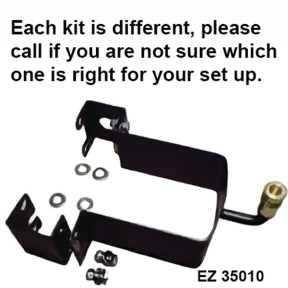
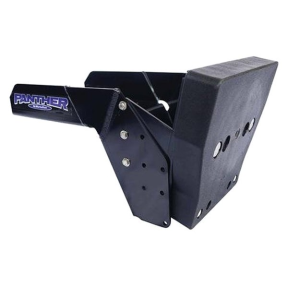
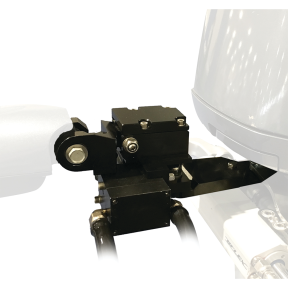
- Kicker motor steering linkage: Linkage kits synchronize a kicker motor with a main outboard or remote steering setup.
How to Choose the Right Outboard Steering System
Choose an outboard steering system by matching the system design to the boat, motor, and operating environment. Replacement projects usually work best when the new parts match the existing steering type unless horsepower, handling requirements, or steering effort justify an upgrade.
- Confirm engine horsepower and boat size. Larger outboards generally create higher steering loads and may benefit from hydraulic steering.
- Identify the current steering type. Mechanical cable, hydraulic, and electronic steering systems use different helms, linkages, and engine connections.
- Measure cable length and routing. Cable length, bend radius, and routing path affect steering feel and installation compatibility.
- Check tilt tube and engine connection points. Corrosion, dried grease, or worn hardware can cause stiff steering even when the cable appears intact.
- Match auxiliary motor linkage needs. Boats with kicker motors may need connector rods, control cable connection kits, or dedicated kicker steering linkage.
Maintenance and Troubleshooting
Routine inspection and lubrication help prevent stiff steering, binding, and premature component wear. Check steering performance seasonally and any time the wheel feels harder to turn, the engine response becomes inconsistent, or visible corrosion appears near the cable, tilt tube, swivel pin, or linkage.
Common Causes of Stiff Outboard Steering
- Cable corrosion inside a mechanical steering cable
- Dried grease or contamination inside the outboard tilt tube
- Lack of lubrication at the swivel pin or steering pivot points
- Kinked steering cable routing or tight cable bends
- Worn ball joints, connector rods, or loose steering linkage hardware
- Hydraulic leaks, air in the system, or low hydraulic steering fluid
Basic Inspection Steps
- Inspect the steering cable jacket, cable ends, and connection hardware for corrosion, cracks, or wear.
- Clean and lubricate the tilt tube according to the engine and steering system requirements.
- Verify that the helm, cable, hydraulic cylinder, and engine pivot points move freely.
- Check ball joints, connector rods, and kicker linkage for looseness or misalignment.
- Address stiff steering immediately because steering resistance can worsen quickly under speed, load, or rough water.
Frequently Asked Questions
What type of outboard steering system should I choose for my boat?
Choose mechanical cable steering for many smaller outboard boats and hydraulic steering for larger or higher-horsepower outboards. Boat size, engine torque, helm layout, cable routing, and steering effort are the main selection factors. Electronic steering is typically used on newer premium outboard installations.
What is included in an outboard steering kit?
An outboard steering kit typically includes the core parts needed to connect the helm to the motor, such as a steering cable, helm components, linkage hardware, connector rods, or hydraulic parts. Exact contents vary by mechanical, hydraulic, kicker motor, or auxiliary steering configuration.
Why is my outboard steering stiff or hard to turn?
Stiff outboard steering is usually caused by cable corrosion, dried grease in the tilt tube, poor lubrication at the swivel pin, tight cable bends, or worn linkage. Hydraulic systems can also feel stiff when fluid is low, air enters the lines, or the cylinder needs service.
Can I replace mechanical cable steering with hydraulic steering?
Yes, many boats can be upgraded from mechanical cable steering to hydraulic steering when the helm, outboard, mounting hardware, hoses, and cylinder are compatible. The upgrade is most useful for higher-horsepower outboards, heavier boats, or operators who want smoother control with less steering effort.
How do kicker motor steering linkages work?
Kicker motor steering linkage connects an auxiliary outboard to the main outboard, steering system, or control linkage so both motors can turn together. These parts are commonly used for trolling, backup propulsion, and improved low-speed control on fishing boats and cruising boats.
How often should outboard steering parts be inspected?
Outboard steering parts should be inspected at least seasonally and whenever steering feel changes. Check steering cables, hydraulic fittings, ball joints, connector rods, tilt tubes, swivel pins, and kicker linkage for corrosion, play, leaks, binding, or missing lubrication before the problem affects control.