Coosa Board Marine Applications: The Best Choice for Boats
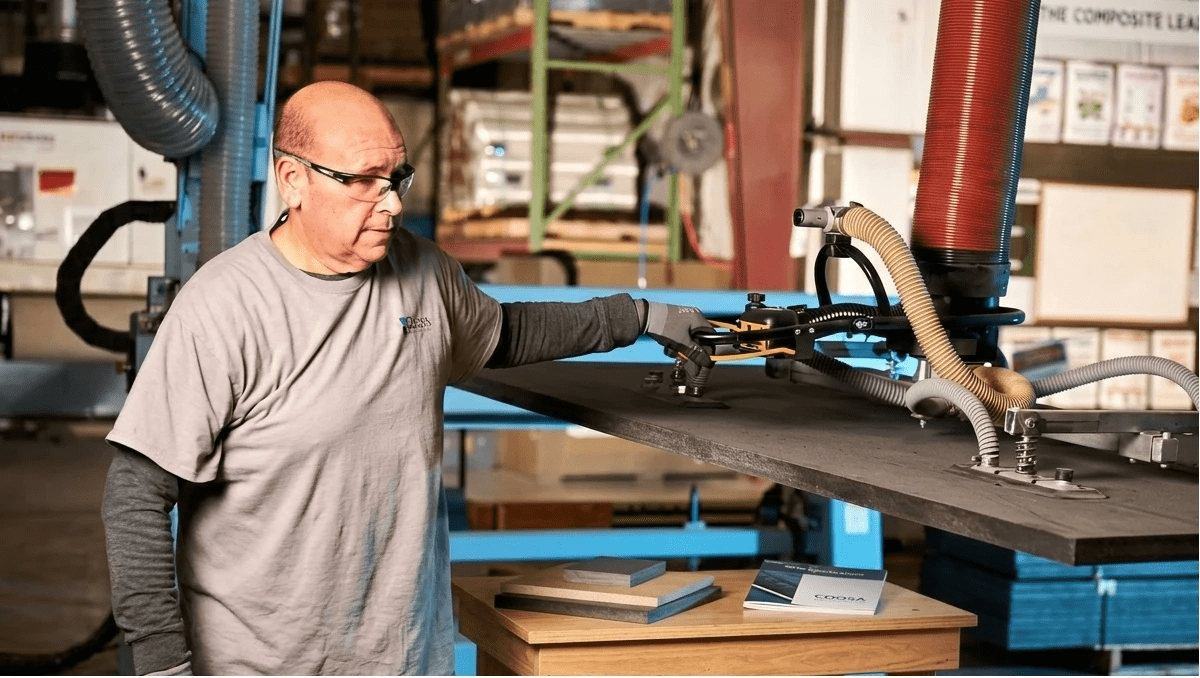
Are you looking for a reliable, lightweight material for your marine composite applications? Look no further than Coosa Board. This fiberglass composite panel boasts a low water absorption, making it the ideal choice for boat builders and marine enthusiasts alike. In this article, we will explore the technology behind Coosa Board, why it's the perfect option for marine applications, its different variants and features, popular uses, and fabrication techniques. We'll also delve into the limitations of Coosa Board and what you need to know before using it in your projects. With Coosa Composites being recognized as a leader in the marine industry, you can trust that their fiberglass composite panels will meet your expectations. Read on to find out why Coosa Board is an excellent replacement for plywood in marine applications.
Key Highlights of Coosa Boards
- Superior Moisture Resistance: Coosa Board is a fiberglass-reinforced composite that features low water absorption, effectively preventing rot, mold, mildew, and delamination in marine environments.
- High Strength-to-Weight Ratio: These panels are 30–40% lighter than traditional marine plywood while offering structural superiority and exceptional stiffness.
- Advanced Composition: The material is crafted from a reinforced closed-cell high-density polyurethane foam matrix combined with continuous strand fiberglass and woven roving.
- Ease of Fabrication: Coosa Board can be cut, routed, and shaped using standard woodworking tools and accepts finishes like paint, or veneer.
- Long-Term Value: While the initial cost is higher than plywood, its durability, reduced maintenance requirements, and extended service life make it a worthwhile investment for boat builders.
- Key Limitations: The non-porous surface may require light sanding for proper bonding, and builders must ensure adequate ventilation when using certain adhesives or epoxy systems.
Exploring Coosa Board
Renowned for durability and water resistance. Exceptional stiffness, resistance to mold, UV, and water absorption make them ideal for marine applications.
The Technology behind Coosa Board
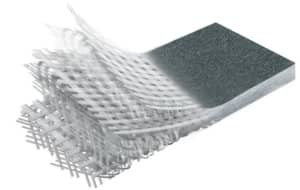
The Lightest Fiberglass Reinforced Composite Panel
Ideal for structural marine applications, the Coosa panel offers easy workability, excellent insulation properties, and versatility for boat floors, transoms, and bulkheads.
Why Choose Coosa Composites for Marine Applications?
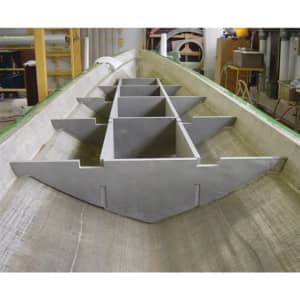
A recognized leader in the marine industry for its structural superiority, resistance to water absorption, and 30-40% lighter weight compared to traditional plywood and marine plywood. Coosa nautical panels excel in marine composite applications, so say goodbye to heavy, water-loving lumber!
Coosa Board Variants and Their Features
| Coosa Board Variant | Features and Applications |
|---|---|
| Offers high strength for structural applications. It is a stronger and stiffer alternative to the Bluewater 20 and can be used as a direct replacement for plywood in all structural applications. Bluewater 26 is Coosa's strongest and stiffest panel, yet still provides at least a 30% weight savings over plywood. | |
| Medium-density (20 lb/ft³), polyurethane foam board reinforced with layers of continuous strand fiberglass, as well as woven roving for extra stiffness, provides a high strength per cubic foot ratio. It is a lighter-weight, economical alternative to the Bluewater 26, yet maintains substantial stiffness, a high strength-to-weight ratio, and can still be used as a direct replacement for plywood. Typically used in semi-structural applications such as stringers, decking, hatch lids, cabinetry—more critical than where the less stiff Nautical Series will suffice. Available in a wide range of thicknesses, eliminating the need to laminate sheets to achieve desired thickness. | |
| Medium-duty, high-density polyurethane foam board reinforced with layers of continuous strand fiberglass. Stronger and stiffer alternative to the Nautical 20, and can be used as a direct replacement for plywood. Typically used as a low-stress structural component. | |
| Light-duty, medium-density polyurethane foam board reinforced with layers of continuous strand fiberglass. Lighter weight, economical alternative to the Nautical 24, but can also be used as a direct replacement for plywood. | |
| Nautical 15 | Lightweight and suitable for non-structural applications, such as cabinets and bulkheads. |
Limitations of Coosa Board
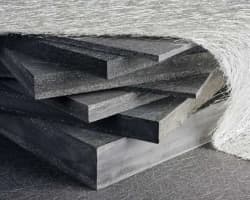
Understanding the constraints of Coosa board is crucial for informed decisions, including thickness limitations, ventilation needs, and susceptibility to damage during transportation. While Coosa offers exceptional performance in marine applications, it does have some practical considerations that builders should be aware of.
The material's closed-cell foam core, while providing excellent moisture resistance, can create challenges during the curing process of certain adhesives and resins. Proper ventilation becomes particularly important when working with epoxy systems, as the non-porous surface can slow solvent evaporation and extend cure times. Additionally, the smooth surface may require light sanding or chemical etching to achieve optimal mechanical bonding with some coating systems.
Careful handling is essential throughout the entire installation process. The only real downside to Coosa is its increased cost - but that can be easily offset when considering durability and ease of use, along with the reduced maintenance requirements and extended service life in marine environments.
Popular Uses of Coosa Board
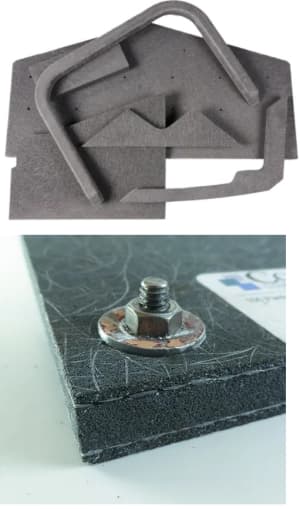
Here are some popular applications for Coosa Board
| Application | Description |
|---|---|
| Decking | Boat decks, resistant to rot and water |
| Transoms | Structural transom replacements/builds |
| Bulkheads | Structural/semi-structural partitions |
| Stringers | Hull reinforcement and support |
| Hatch Lids | Access covers, hatches |
| Engine Covers | Protective, machinable covers |
| Swim Platforms | Lightweight, durable platforms |
| Cabin Floors/Walls | Interior panels for cabins |
| Consoles/Cabinetry | Helm stations, storage, cabinetry |
| Coring Material | Core in composite construction |
Fabrication Techniques with Coosa Board
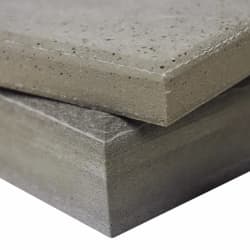
Fabrication techniques with Coosa panels involve easy cutting, routing, and shaping using standard woodworking tools. Woven roving reinforcement enables precision machining, allowing intricate designs and seamless integration into complex structures. Coosa composite panels can be bonded, laminated, and molded for desired forms.
The absence of voids and knots, along with consistent core material properties, ensures structural reliability and uniform performance. Its versatility, longevity, and durability make it an ideal choice in the marine industry. For finishing, Coosa panels accept gelcoat, paint, or veneer, allowing for both functional and aesthetic customization. These fabrication advantages, combined with its lightweight nature, enable builders to create complex, high-performance components efficiently
Frequently Asked Questions
Is Coosa board worth it?
Coosa board is definitely worth it for marine composite applications. Its durability and versatility make it a lightweight alternative to plywood and fiberglass. With resistance to rot, moisture, and UV rays, Coosa board ensures a long-lasting investment despite a slightly higher cost.
What is comparable to Coosa board?
Other composite materials with similar properties to Coosa board include marine plywood, PVC foam board, and fiberglass-reinforced plastic. It is important to consult with a marine industry professional to determine the best material for your specific project based on factors such as strength, durability, weight, and cost.
Is Coosa board as strong as plywood?
Coosa board is renowned for its strength, often surpassing that of plywood. Its composition and density contribute to its durability, allowing it to withstand heavy loads. Additionally, Coosa board's lighter weight compared to plywood makes it easier to handle and transport.
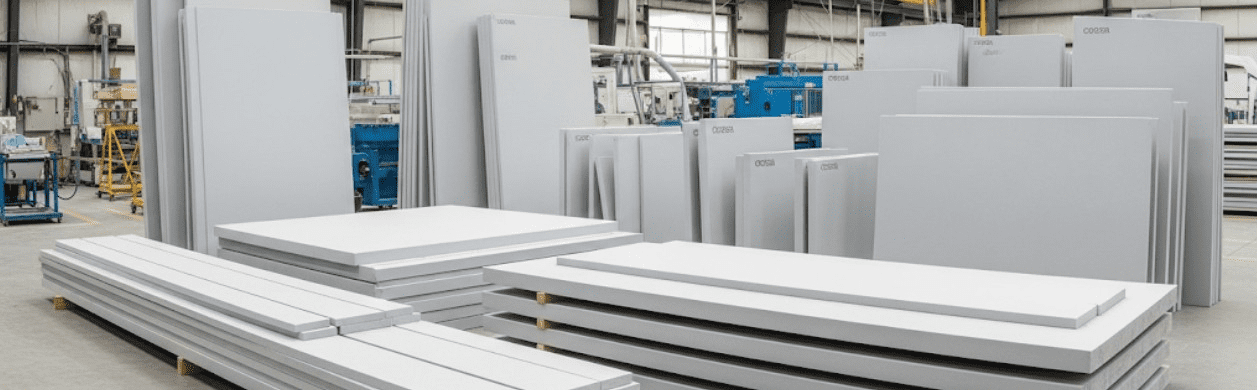
Coosa Board is the perfect choice for marine composite applications due to its exceptional qualities. It is a lightweight, durable, and versatile material that offers superior strength and performance. Coosa Board is backed by advanced technology and is recognized as a leader in the marine industry. With its multiple variants and features, it can be used in a wide range of applications, including boat building, flooring, and structural components. However, it's important to note that Coosa Board does have some limitations, and it's crucial to understand them before using it in your projects. Overall, Coosa Board provides an excellent replacement for plywood in marine applications, offering the perfect balance of strength, durability, and weight savings. Trust Coosa Composites for all your marine composite needs.
Ask for help!
If you are still unsure if composite boards are right for your project, call us at 206-632-4462, and one of our representatives can help you decide!