
Marine CO Detectors & Fire Alarms at Fisheries Supply
Fisheries Supply provides essential detection and alarm equipment designed specifically for marine environments. Our focus is practical onboard safety—helping boaters reduce risk from fire, smoke, and hazardous gases while underway, at anchor, or at the dock.
Key Takeaways
- Marine-rated detectors are built for vibration, moisture, and confined spaces.
- Carbon monoxide alarms provide early warning of an invisible hazard.
- Gas detectors help identify fuel leaks before they become dangerous.
- Proper placement improves the effectiveness of detection systems.
Boats face unique conditions such as vibration, moisture, confined spaces, and enclosed fuel systems. The products in this category are selected to operate reliably in those conditions, supporting safer and more informed decisions on the water.
Marine Safety Solutions
This category includes marine fire detection systems, carbon monoxide alarms, and gas monitoring equipment suited for both small recreational boats and larger boats. Each product is intended to provide early warning so corrective action can be taken before a situation escalates.
Whether upgrading an older system or equipping a new installation, these detectors form a core part of a practical onboard safety plan.
Key Marine Detection & Alarm Equipment
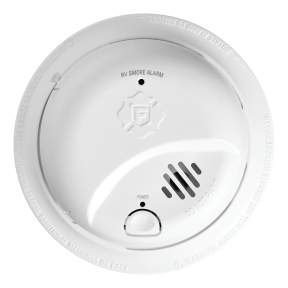
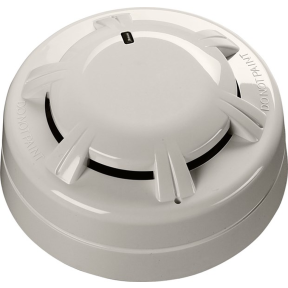
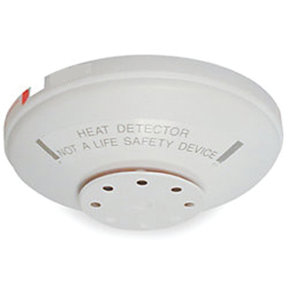
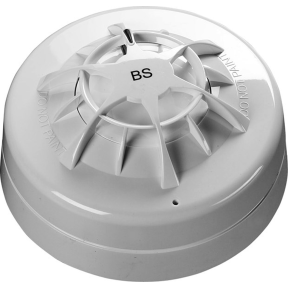
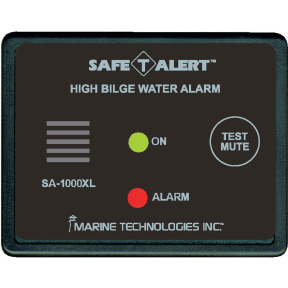
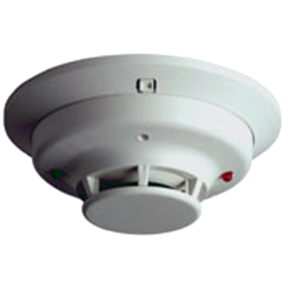
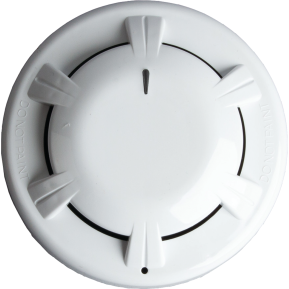
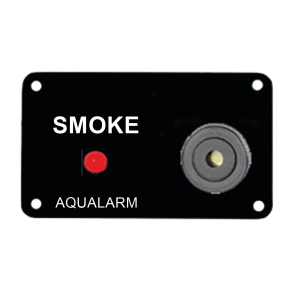
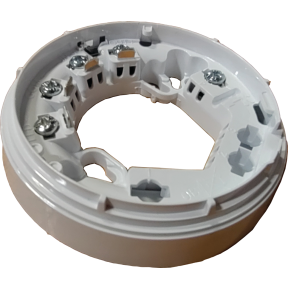
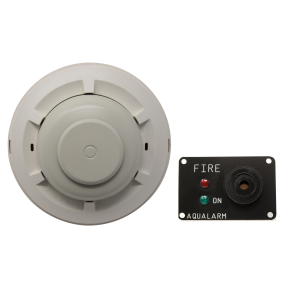
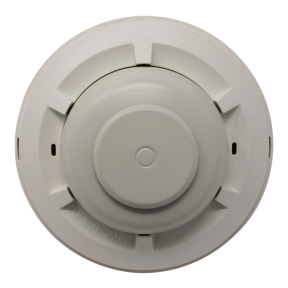
- Marine Smoke Detectors: Designed to provide early warning of onboard fires, these detectors are built to perform reliably in marine conditions where standard household units may fail.
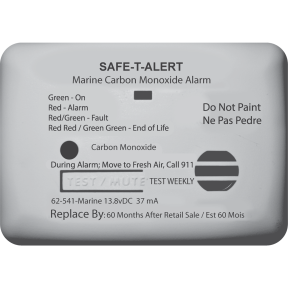
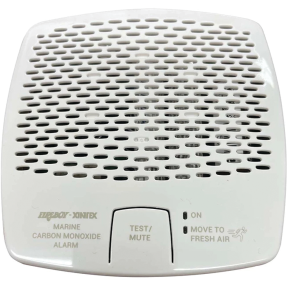
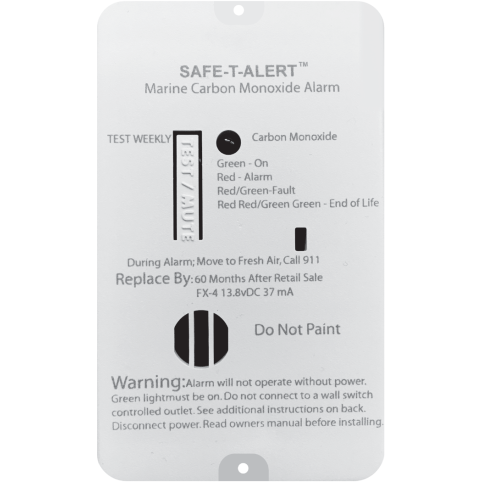
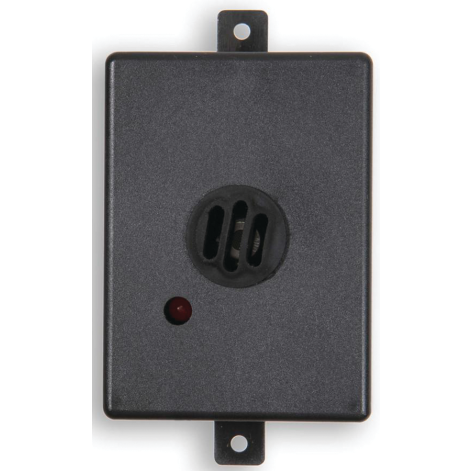
- Marine Carbon Monoxide (CO) Detectors: Carbon monoxide is colorless and odorless. Marine-rated CO detectors help alert occupants to dangerous buildup caused by engines, generators, or nearby boats.
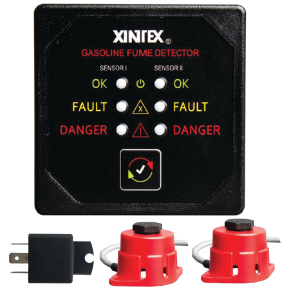
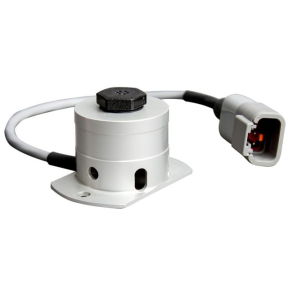
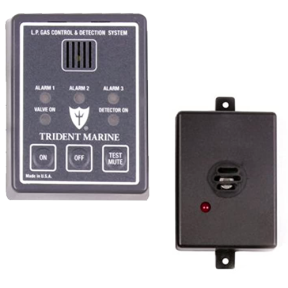
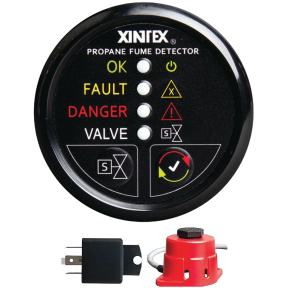
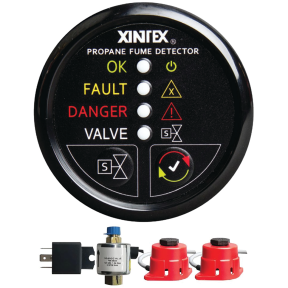
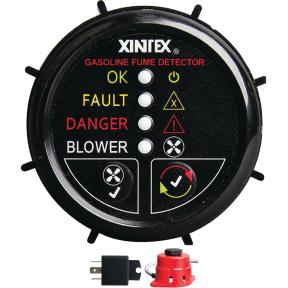
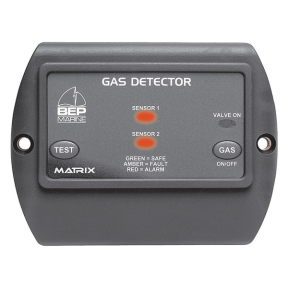
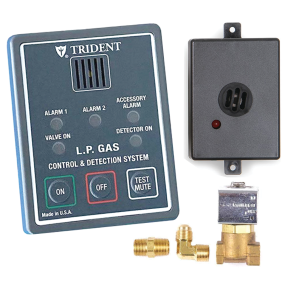
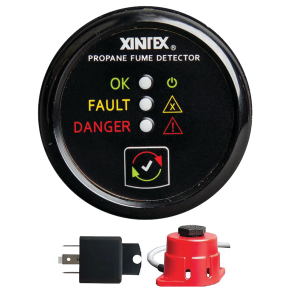
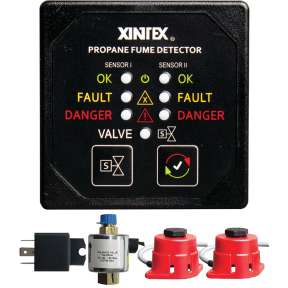
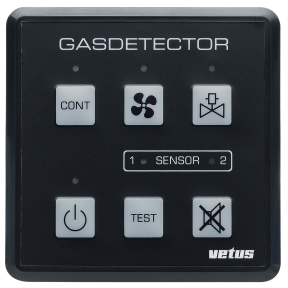
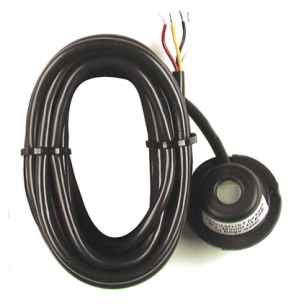
- Boat Gas Detectors: Gas detectors monitor for gasoline or propane leaks that can accumulate in bilges or enclosed spaces, reducing the risk of explosion or fire.
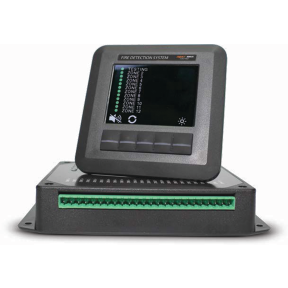
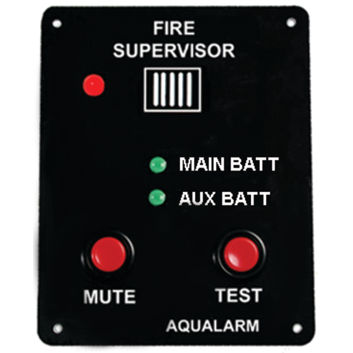
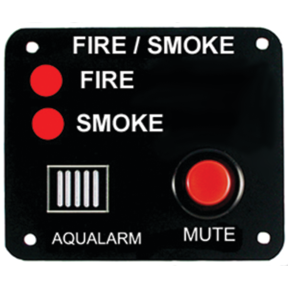
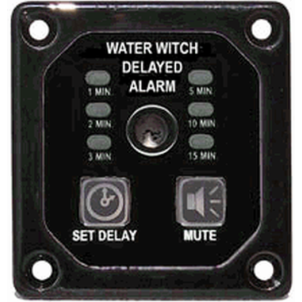
- Marine Fire Alarm Systems: Integrated fire alarm systems provide audible alerts throughout the boat, supporting faster response during a fire emergency.
- Marine CO2 Detectors: Used to monitor carbon dioxide levels in enclosed areas such as engine rooms or galleys, these detectors support air-quality awareness in confined spaces.
Why Choose Fisheries Supply
- Established Marine Brands: Products are available from recognized manufacturers including Aqualarm, Fireboy-Xintex, and BEP Marine.
- Practical Guidance: Staff are available to help compare options and select equipment appropriate for boat type, layout, and intended use.
- Broad Inventory: From individual CO alarms to complete fire detection systems, this category supports building or maintaining a complete onboard safety setup.
Considerations When Selecting Marine CO Detectors & Fire Alarms
Proper placement and equipment selection are critical for effective detection. Marine-specific standards and labels help ensure detectors perform as intended in onboard conditions.
- Installation Location: Guidance from the American Boat and Yacht Council (ABYC) recommends placing carbon monoxide alarms in the main cabin and each sleeping area.
- Marine Labeling: Detectors labeled to UL 2034 Marine standards are intended for the vibration and humidity common aboard boats. Household units may not be suitable.
Installing and maintaining functioning detection systems helps reduce the risk of injury or property damage from fire or hazardous gas exposure.
Frequently Asked Questions
What types of safety detectors are offered for marine use?
Our inventory includes marine smoke detectors, carbon monoxide detectors, gas detectors, fire alarm systems, and carbon dioxide detectors designed for onboard environments.
Why are marine-rated CO detectors important on boats?
Carbon monoxide is an invisible, odorless gas that can accumulate from engines or generators, and marine-rated detectors are designed to operate reliably under onboard conditions.
Where should carbon monoxide alarms be installed on a boat?
ABYC guidance recommends installing carbon monoxide alarms in the main cabin and in each sleeping area to provide effective protection.
Are household smoke or gas detectors suitable for marine use?
Household detectors may not withstand vibration and humidity. Marine detectors labeled to UL 2034 Marine standards are intended for onboard conditions.
Can these alarm systems automatically take action, such as turning on a blower or shutting off fuel?
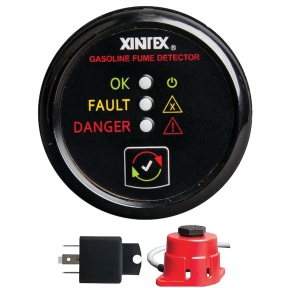
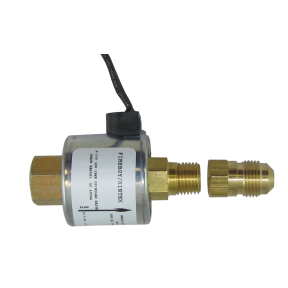
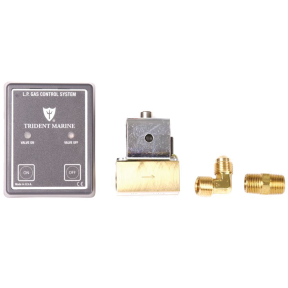
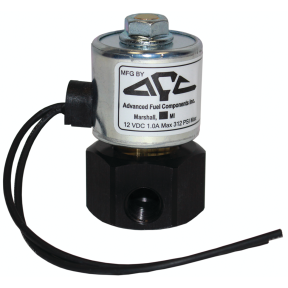
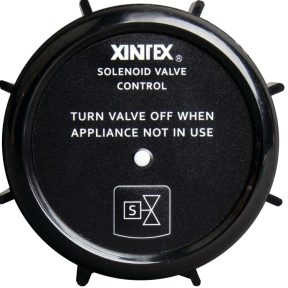
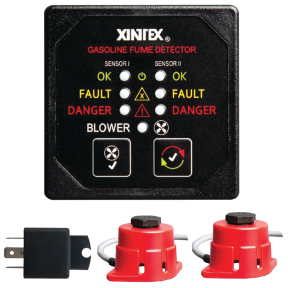
Yes, many advanced systems are designed for active intervention. For example, specific Fireboy-Xintex and BEP Marine monitors can automatically activate bilge blowers when gasoline fumes are detected or trigger a propane solenoid valve to shut off the gas supply immediately upon detecting a leak, providing protection even when the boat is unattended.
What is the difference between a "fixed temperature" and a "rate-of-rise" fire detector?
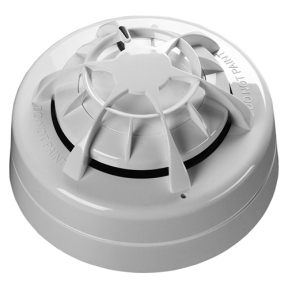
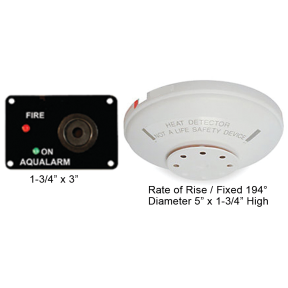
A fixed-temperature detector triggers an alarm only when a specific heat threshold (e.g., 135°F or 194°F) is reached. A rate-of-rise detector monitors how quickly the temperature increases; if it climbs rapidly (typically 15°F or more per minute), the alarm sounds. Many marine units, like those from Aqualarm, combine both technologies to ensure early detection while reducing false alerts in engine rooms where ambient heat is normal.
How often should I test my onboard gas and smoke alarms?
It is widely recommended to test your safety alarms monthly using the manufacturer's test button to ensure the circuitry and sirens are functional. Additionally, sensors for vapor detectors should be checked for "end-of-life" status, as most marine gas sensors have a limited lifespan (typically 5 years) and should be replaced immediately if they are ever submerged in bilge water.