Marine Fire Extinguishers: Essential Safety for Every Boat
Fire safety is one of the most important considerations for any boat owner. A fire on board can spread quickly, putting passengers, crew, and the boat itself at serious risk. Unlike many other emergencies, onboard fires often allow little time to react.
At A Glance
- Onboard fires occur more frequently than sinkings.
- Extinguisher choice should match boat layout and equipment.
- Automatic suppression systems add protection in engine rooms.
- Proper mounting and maintenance improve emergency response.
Why Marine Fire Protection Matters
Data from the U.S. Coast Guard shows that fire-related incidents occur more frequently than sinkings in recreational boating. This reality underscores why properly selected and maintained marine fire extinguishers and fire suppression systems are critical components of onboard safety.
According to the 2020 Recreational Boating Statistics, there were 288 reported fire or explosion incidents, including fuel-related, non-fuel-related, and unknown causes. During the same period, 202 boats sank.
These figures highlight a clear takeaway: fire is a more common onboard emergency than many boaters expect, and preparation plays a decisive role in reducing damage and injury.
Trusted Marine Fire Extinguisher Brands
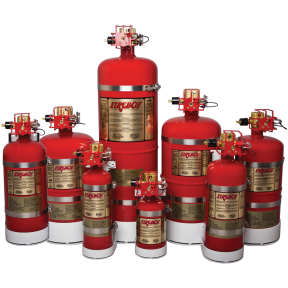
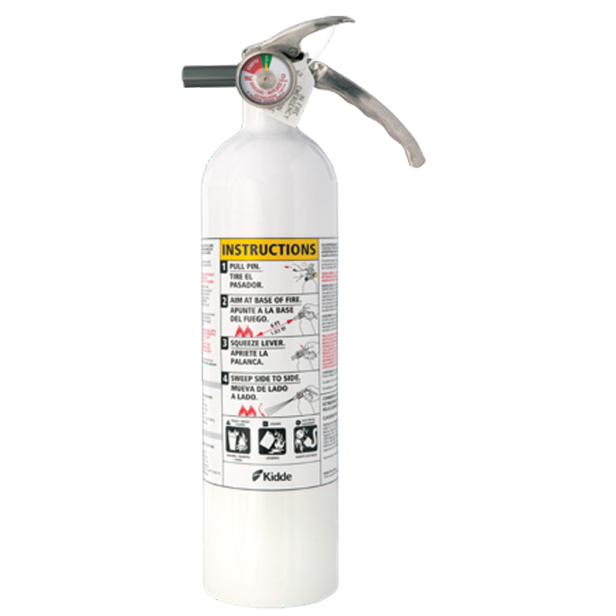
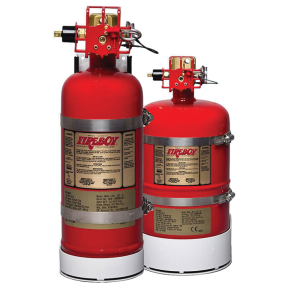
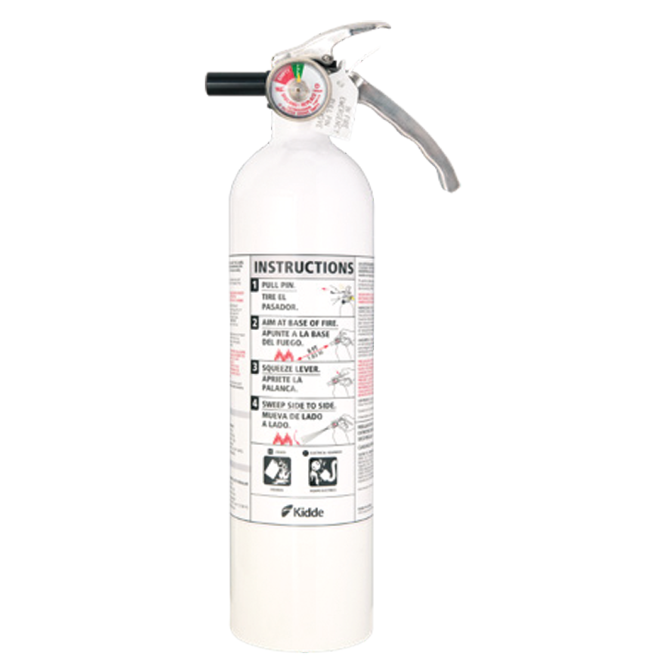
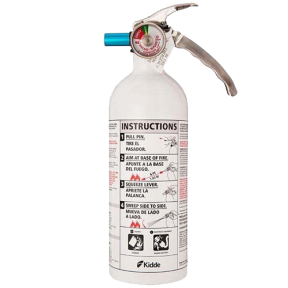
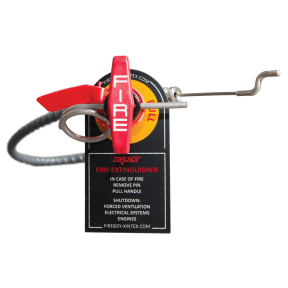
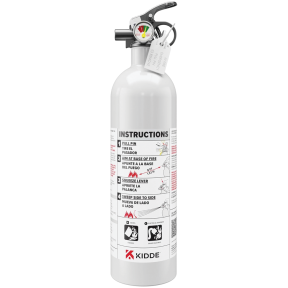
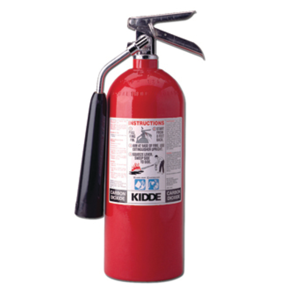
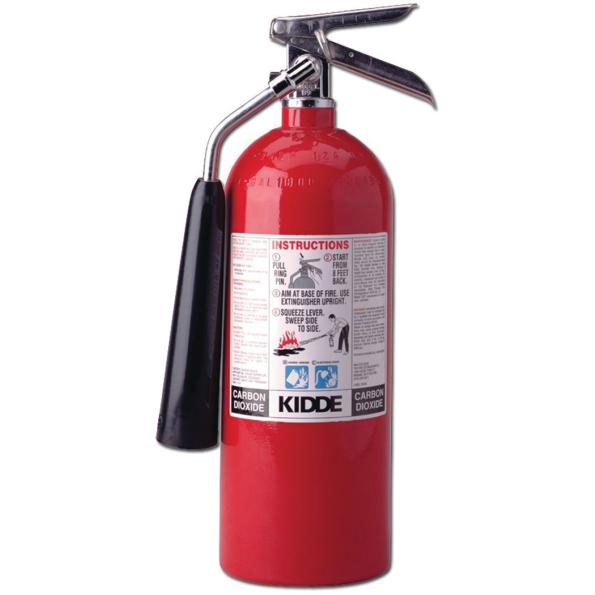
Fisheries Supply offers a broad selection of marine fire extinguishers from established manufacturers known for reliability and marine-specific design. This includes products from Fireboy-Xintex and Kidde.
Options range from general-purpose extinguishers to clean-agent models designed for modern boats with sensitive electrical and navigation equipment.
Choosing the Right Marine Fire Extinguisher
Selecting the correct fire extinguisher depends on factors such as boat size, fuel type, and onboard systems. Understanding the strengths of each extinguisher type helps ensure effective response in an emergency.
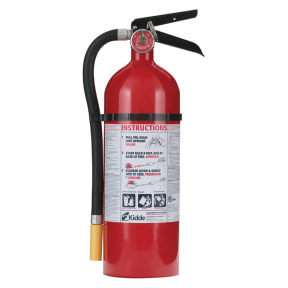
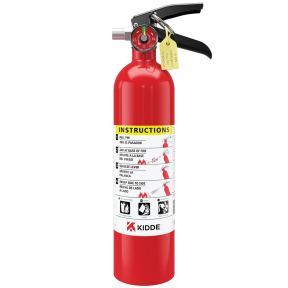
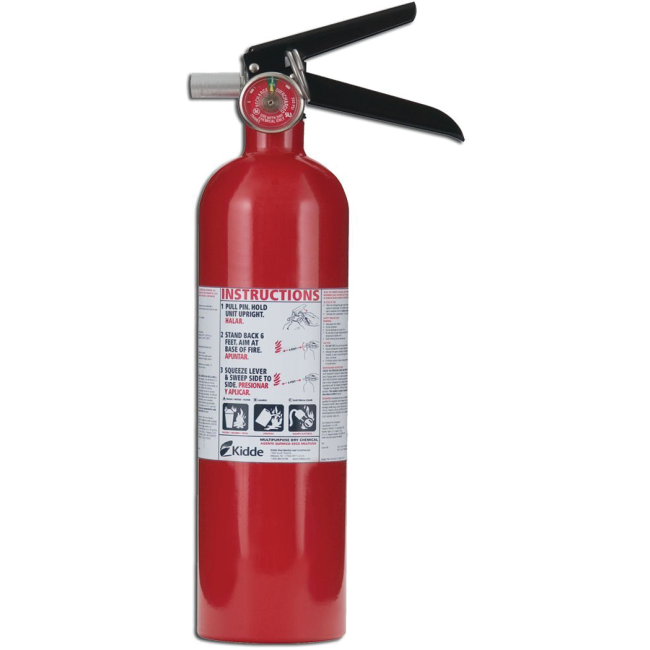
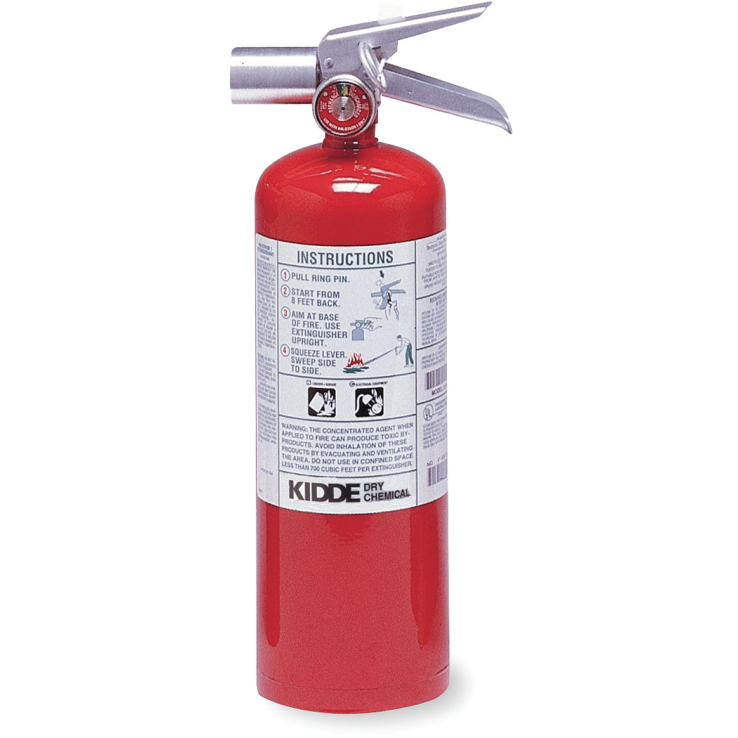
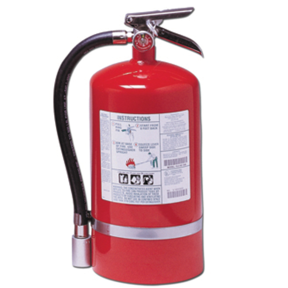
- ABC Dry Chemical Extinguishers: Designed to stop fires involving ordinary combustibles, flammable liquids, and electrical equipment.
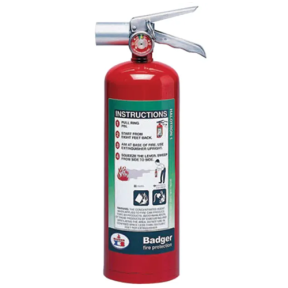
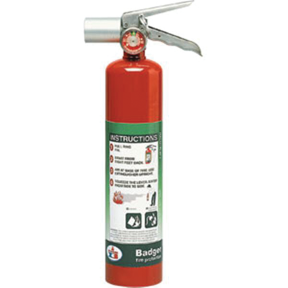
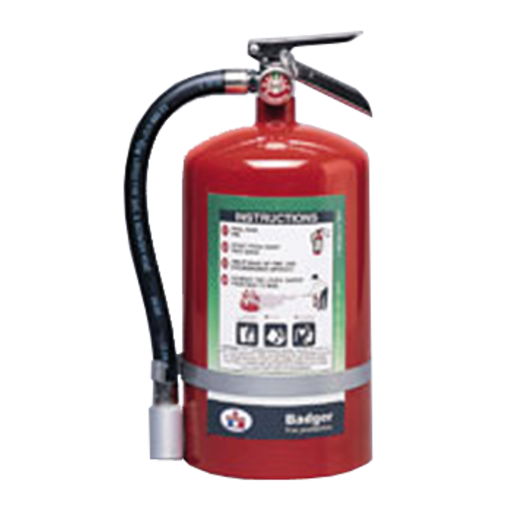
- Halotron Extinguishers: Use a clean agent that leaves no residue and is non-conductive, making them well suited for electronics-heavy helm stations and cabins.
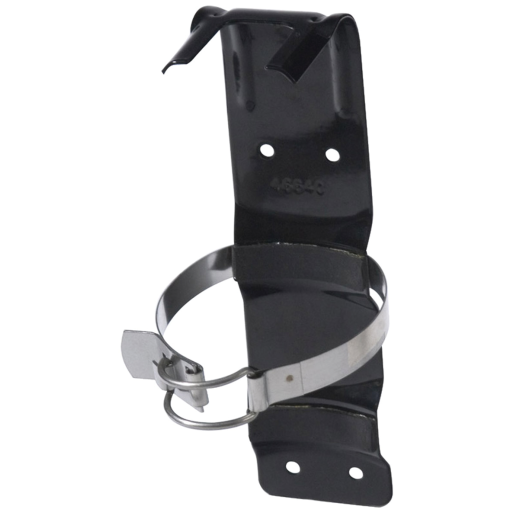
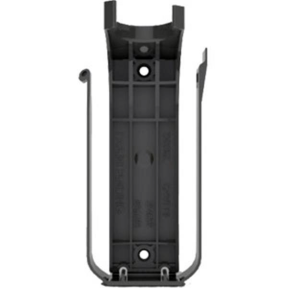
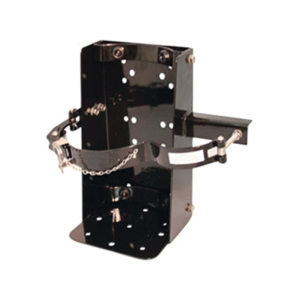
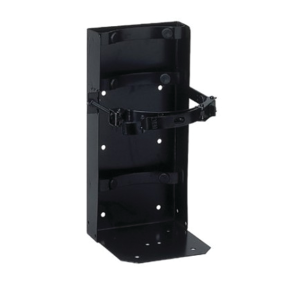
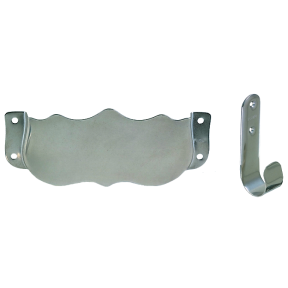
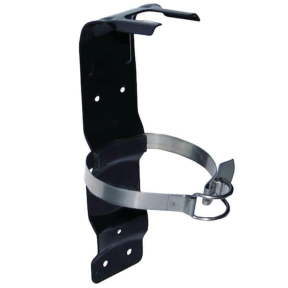
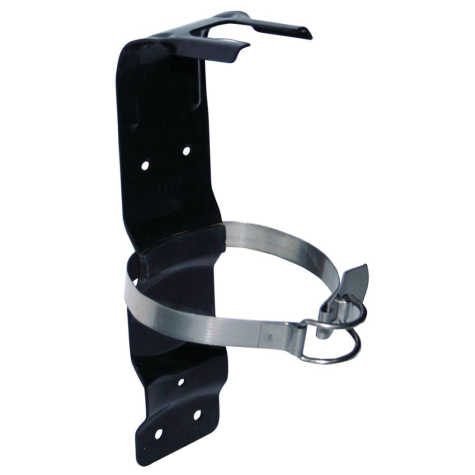
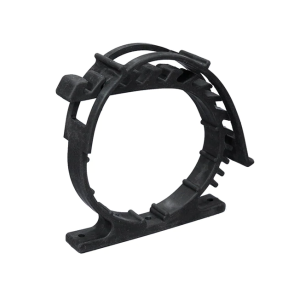
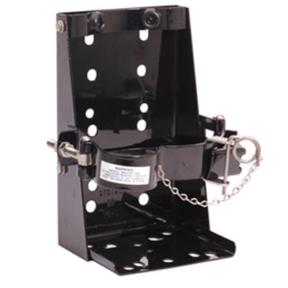
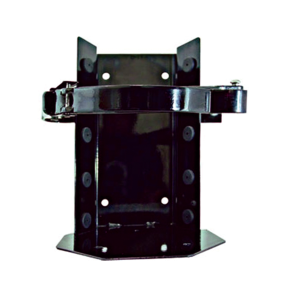
Proper placement and secure mounting are equally important. Mounting brackets, inspection gauges, and expiration labels help keep extinguishers accessible and ready when needed.
Marine Fire Suppression Systems
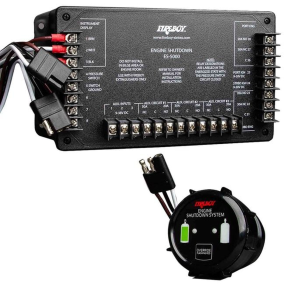
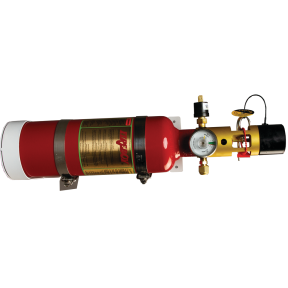
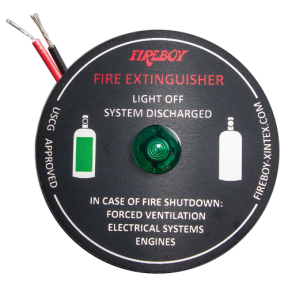
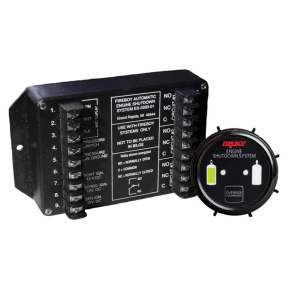
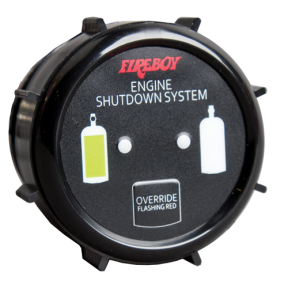
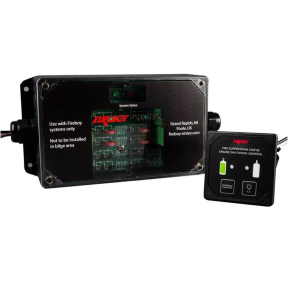
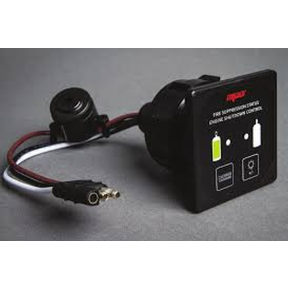
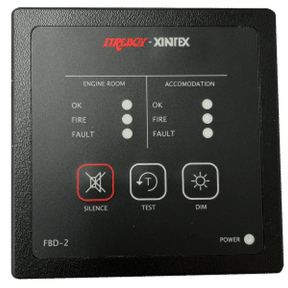
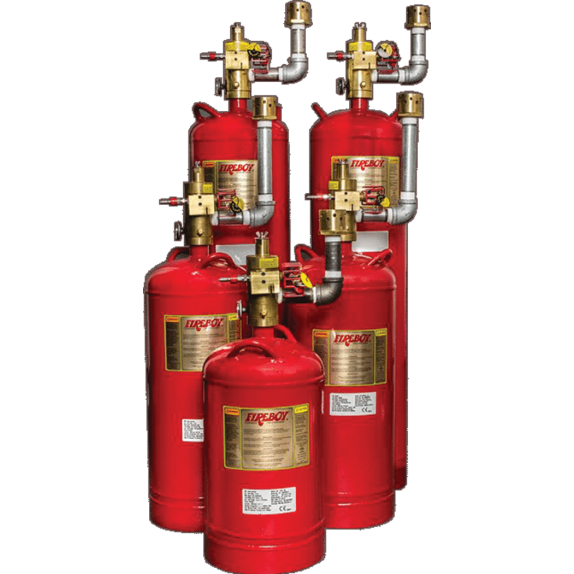
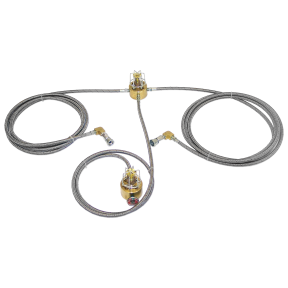
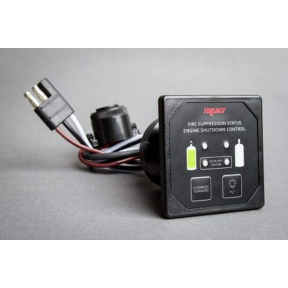
Automatic marine fire suppression systems provide an added layer of protection, particularly in engine compartments where fires may go unnoticed until they escalate. These systems are engineered to detect and suppress fires without manual activation.
- Automatic activation: Systems deploy immediately when a fire is detected.
- Clean suppression agents: Agents such as MA2 are designed to minimize equipment damage.
- Engine-space coverage: Systems are sized to protect the full compartment volume.
Additional Marine Fire Safety Equipment
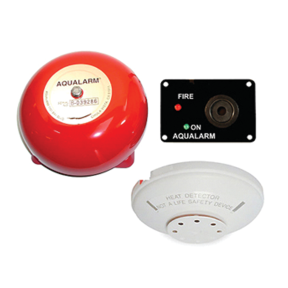
Fire extinguishers and suppression systems work best as part of a broader safety strategy. Gas detectors and carbon monoxide alarms provide early warning of hazards that may precede or accompany onboard fires.
Properly installed detectors and secure extinguisher mounts help ensure safety equipment is functional, visible, and easy to reach in an emergency.
Explore our selection of carbon monoxide detectors and fire extinguisher mounts to ensure your safety equipment is securely positioned and ready for use.
Not sure which fire extinguisher is right for your vessel? Check out our expert guide on marine fire extinguishers for recommendations tailored to your boat’s specifications.
Finding the Right Solution for Your Boat
Every boat has different fire protection needs. Reviewing extinguisher types, ratings, and placement recommendations can help boat owners make informed decisions based on how and where their boat is used.
Fire safety on the water is not optional. Equipping your boat with appropriate marine fire extinguishers and suppression systems is a practical step toward protecting both people and property.
Frequently Asked Questions
Why are marine fire extinguishers important on boats?
Fire safety is critical because onboard fires can escalate quickly, endangering lives and causing significant damage to the boat.
Are fires more common than sinkings in recreational boating?
According to the 2020 Recreational Boating Statistics, fire-related incidents were reported more frequently than sinkings.
What types of marine fire extinguishers are commonly used?
Common options include ABC dry chemical extinguishers for general use and Halotron extinguishers for protecting sensitive electronics.
What is the benefit of an automatic marine fire suppression system?
These systems automatically detect and suppress fires in engine compartments, reducing the need for manual intervention.
What is the difference between the new 5-B/20-B ratings and the older B-I/B-II classifications?
The newer 5-B and 20-B ratings refer to the square footage of a flammable liquid fire the unit can extinguish, replacing the older B-I and B-II weight-based labels. While vessels from model year 2017 or older can still use B-I or B-II units if they are in "good and serviceable" condition, boats from model year 2018 or newer must carry the updated 5-B or 20-B rated extinguishers.
Do disposable marine fire extinguishers have an expiration date?
Yes. Under current U.S. Coast Guard regulations, all disposable (non-rechargeable) fire extinguishers must be removed from service 12 years after their date of manufacture. You can typically find this date stamped on the bottom of the canister or near the UL label.
How many portable fire extinguishers are required for a boat between 26 and 40 feet?
Vessels in the 26 to 40-foot range are generally required to carry two 5-B portable extinguishers. However, if the boat is equipped with a USCG-approved fixed fire extinguishing system in the machinery space, the requirement for portable units is typically reduced to one 5-B extinguisher.
What does "good and serviceable condition" mean for a marine extinguisher?
To be compliant, an extinguisher must have a pressure gauge or indicator in the green "operable" range, the lock pin must be firmly in place, the discharge nozzle must be clear of obstructions, and the unit must show no signs of significant corrosion, leakage, or damage.
Why is an ABC-rated extinguisher often recommended over a standard BC unit?
While BC units are effective against flammable liquids (Class B) and electrical fires (Class C), an ABC-rated (tri-class) extinguisher also protects against Class A fires involving common combustibles like wood, paper, and cloth. This provides more comprehensive protection for the various materials found in a boat's cabin and structure.