Sailing Safety Harnesses and Tethers from Fisheries Supply
This category explains how sailing safety harnesses and tethers work together to keep sailors secured to the boat in rough weather and at night.
Key Takeaways
- Harness + tether = primary fall-prevention system that keeps you attached to the boat and reduces man-overboard risk.
- Prioritize ISO 12401 compliance and follow World SailingOSR / US SailingSER guidance for offshore passages and racing.
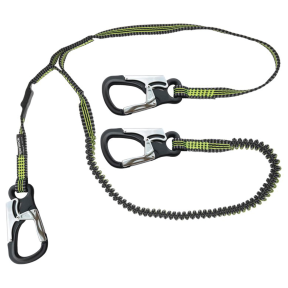
- Choose tether leg lengths (short work leg + longer transit leg) and hook types to match your deck layout and crew tasks.
- Inspect before every passage; replace after heavy loads or visible damage (stitching, webbing, hooks, overload indicators).
Understanding Sailing Harnesses and Tethers
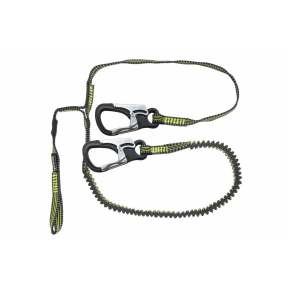
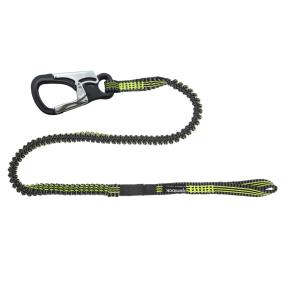
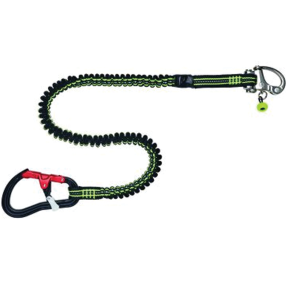
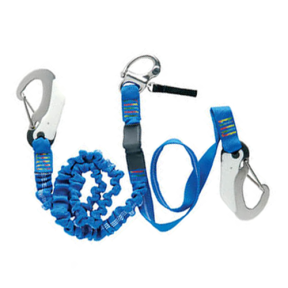
A sailing harness is a wearable device that secures the sailor to the boat. A safety tether connects the harness to a jackline or certified strong point, allowing movement while maintaining attachment. This system is central to offshore sailing safety.
Top Features of Quality Harnesses & Tethers
- Durable marine-grade materials: UV-resistant webbing, corrosion-resistant hardware, and robust stitching.
- Ergonomics & comfort: Contoured fit and padding to reduce fatigue during long watches.
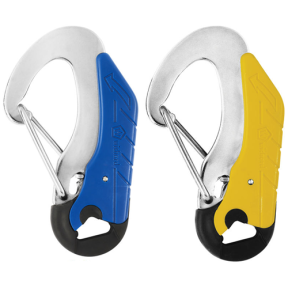
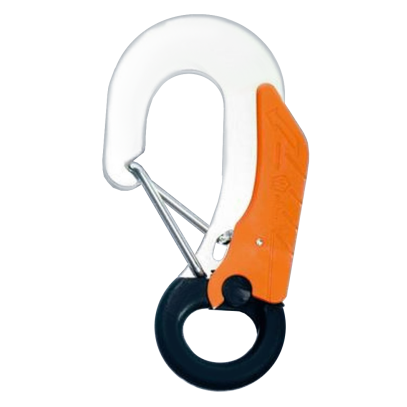
- Secure connectors: Locking safety hooks or carabiners with wide gates and anti-foul design.
- Adjustability: Quick, precise fit for different layers and body types.
- High visibility: Reflective accents for night operations and quick crew identification.
How to Choose the Right Sailing Safety System
| Sailing Use | Recommended System | Selection Factors |
|---|---|---|
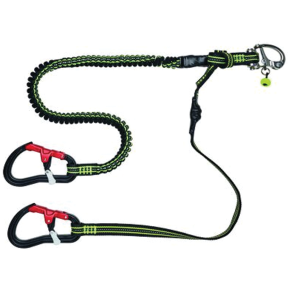
| Offshore sailing and passagemaking | Double-leg tether with one short work leg and one longer transit leg | ISO 12401 compliance, overload indicators, secure hooks, reflective details, and inboard jackline routing |
| Coastal racing and club racing | Lightweight harness and tether combination with fast clip transitions | Compact fit, easy adjustment, low-bulk construction, and fast movement between clip-in points |
| Heavy-weather watches | Harness with a short tether leg to reduce fall distance | Short working length, secure cockpit attachment points, comfort over foul-weather gear, and night visibility |
| Deck work near mast or foredeck | Dual-leg tether for staying clipped in during transitions | Strong points near companionway, mast, and cockpit; chafe protection; safe jackline placement |
Inspection, Care, and Replacement
- Before every passage: Check webbing abrasion, UV damage, stitching integrity, hook function, and any overload indicators.
- After heavy loads or immersion in contaminants: Fresh-water rinse, dry out of UV, and retire if integrity is uncertain.
- Replacement cadence: Follow manufacturer guidance; retire immediately after a significant load event or visible damage.
Note: A safety harness is not a substitute for a certified life jacket (PFD); use both together.
Trusted Brands We Stock
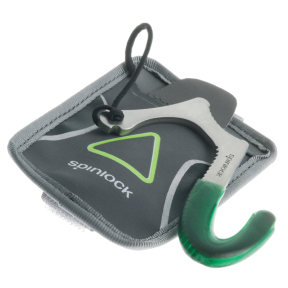
Fisheries Supply is a premier supplier with a broad, in-stock selection from leading brands: Wichard and Spinlock.
- Multiple harness styles and sizes for different body types and layers.
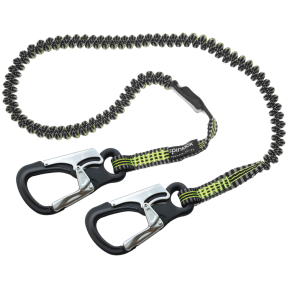
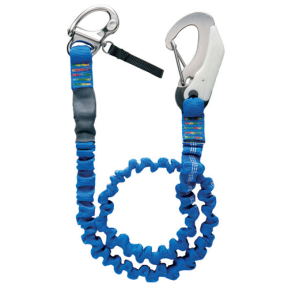
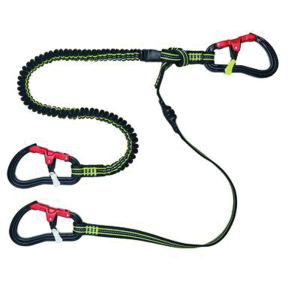
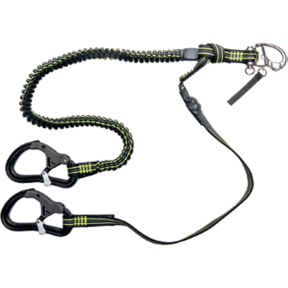
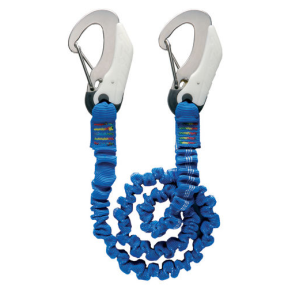
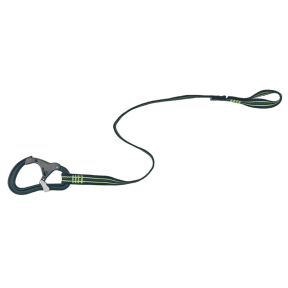
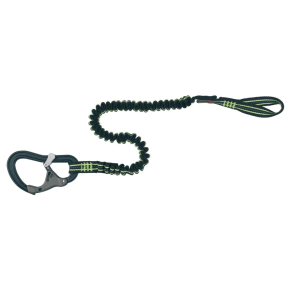
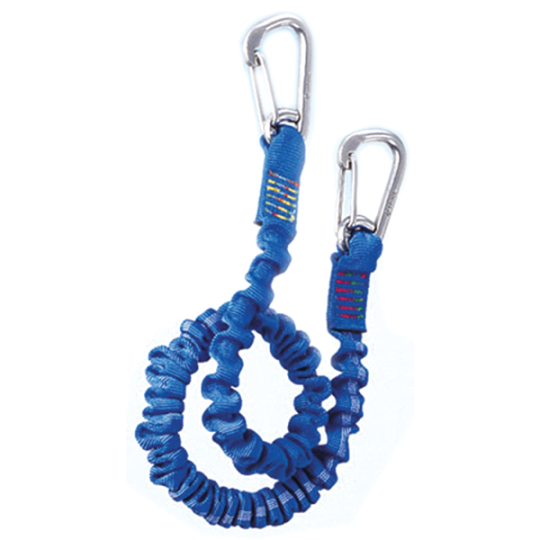
- Single, double-leg tether options (including short work legs).
- Harness + tether combo kits for grab-and-go outfitting.
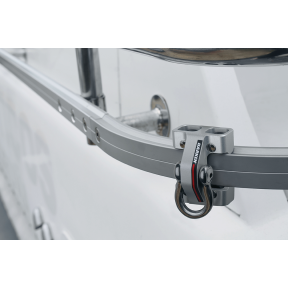
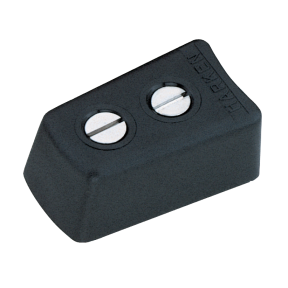
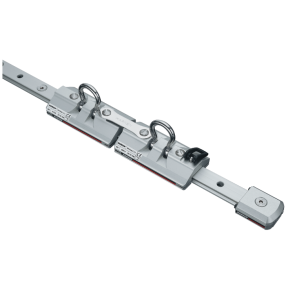
You can also browse related safety gear such as jackline kits and boat non-slip products.
Standards, Regulations, and Best Practices
For objective safety assurance, look for equipment designed to ISO 12401 (deck safety harness and safety line). Prepare passages according to World SailingOffshore Special Regulations (OSR) and the US SailingSafety Equipment Requirements (SER). Many offshore races also reference the Royal Ocean Racing Club (RORC) Special Regulations.
Frequently Asked Questions
Why use a harness and tether instead of just jacklines?
Jacklines provide the attachment path, but only a harness and tether keep you physically connected to the boat when you slip, trip, or get hit by a wave.
Single vs. double-leg tethers, what’s right for me?
Choose at least one short leg to minimize fall distance and one longer leg for moving on deck. Extra legs speed transitions between clip-in points.
What standards should my gear meet?
Look for ISO 12401 (deck safety harness & safety line). For racing or organized passages, follow World SailingOSR and US SailingSER requirements.
How do I rig jacklines correctly?
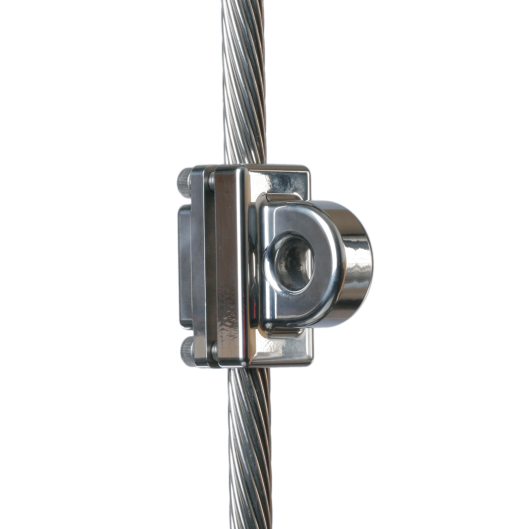
Run jacklines to keep the clip path inboard and low. Use strong, low-stretch webbing and protect against chafe. Follow OSR guidance for strength and layout.
When should I replace a tether?
Immediately after a major load event or if you see damage to stitching, webbing, hardware, or when the overload indicator has deployed.