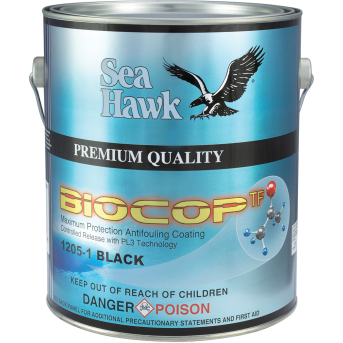
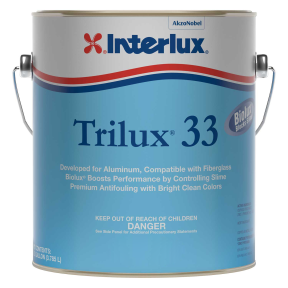
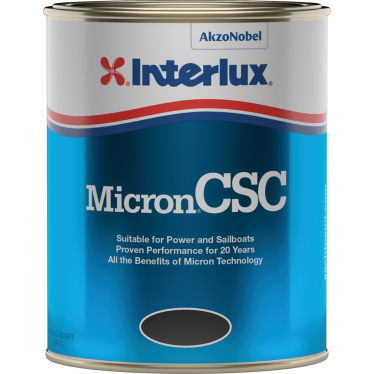

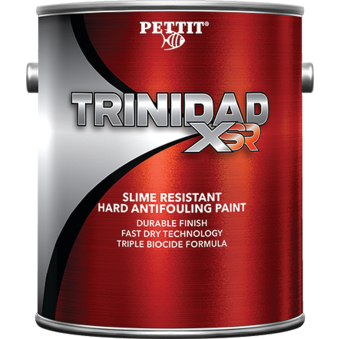
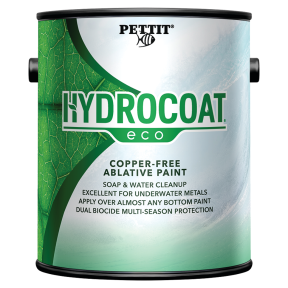
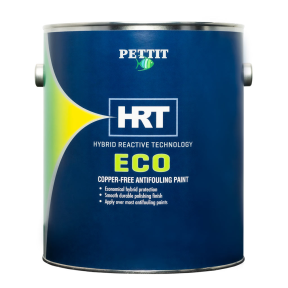
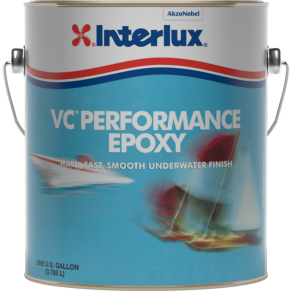
Types of Boat Bottom Paint
Antifouling coatings differ in how they release biocide, withstand movement, and support seasonal maintenance. Match the coating type to the boat’s speed, storage pattern, water exposure, and existing hull finish.
| Bottom Paint Type | How It Works | Top Benefit | Suitable Application |
|---|---|---|---|
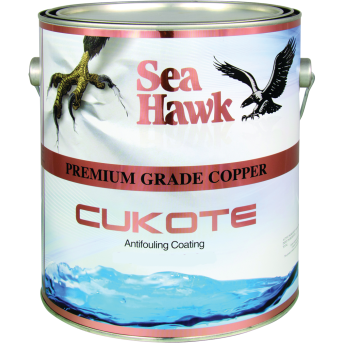
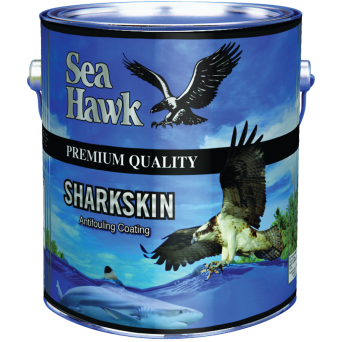
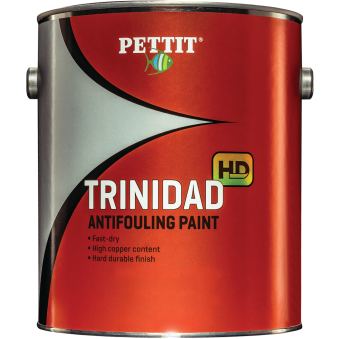
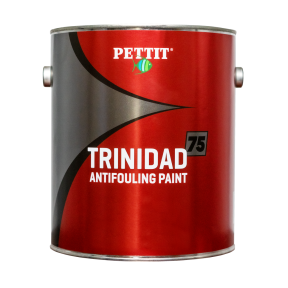
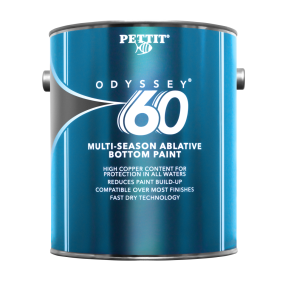
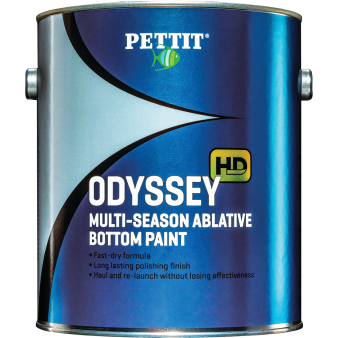
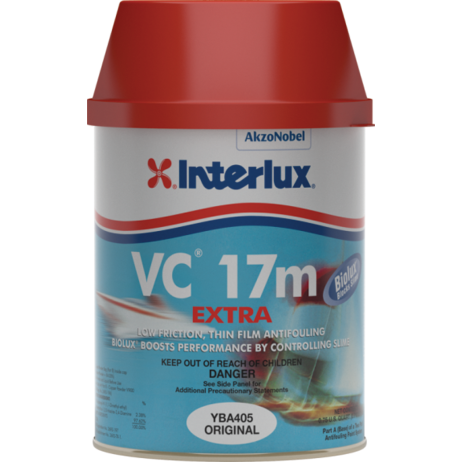
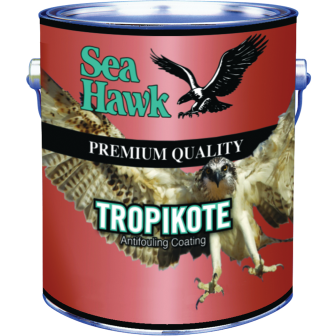
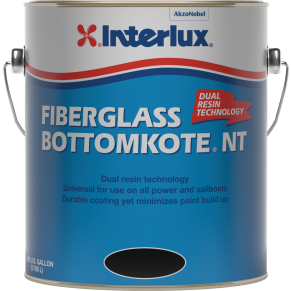
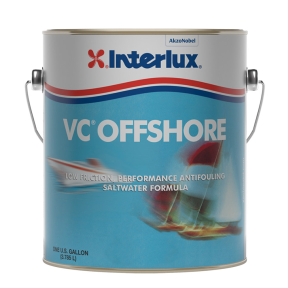
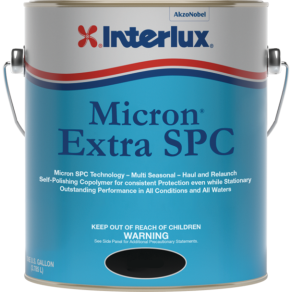
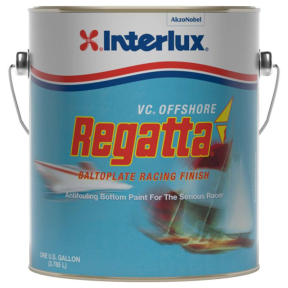
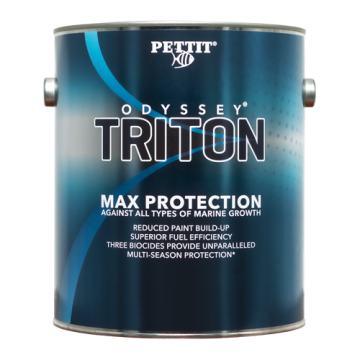
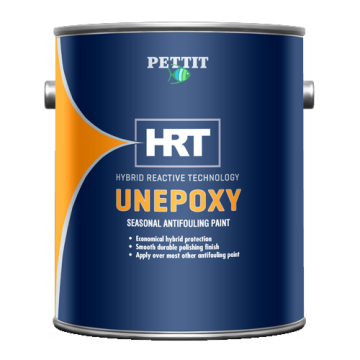
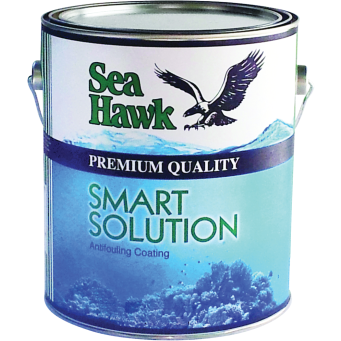
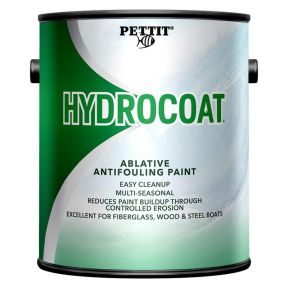
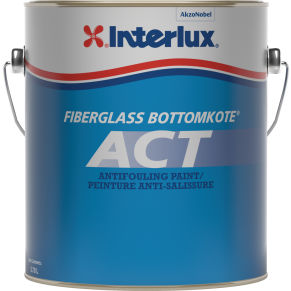
| Ablative Bottom Paint | Gradually wears away as the boat moves through the water, exposing fresh biocide through controlled erosion. | Provides continuing antifouling protection without the same buildup associated with non-sloughing coatings. | Boats requiring a self-wearing coating for seasonal maintenance. |
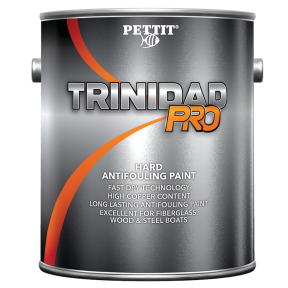
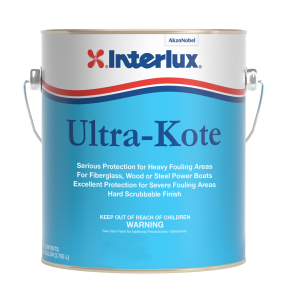
| Hard Modified Epoxy Bottom Paint | Forms a durable underwater coating that does not wear away like ablative paint. | Provides a hard, durable finish that withstands boat movement. | Faster-moving boats where coating durability is an important selection factor. |
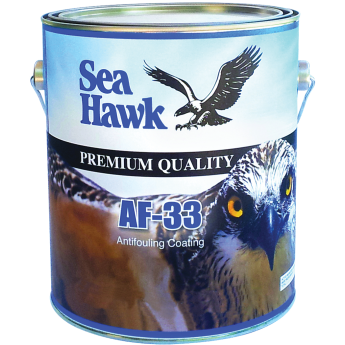
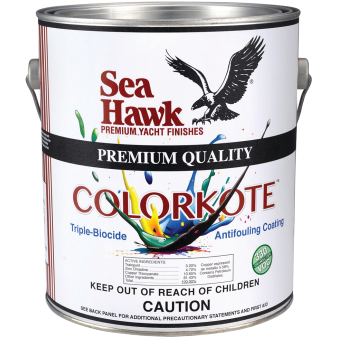
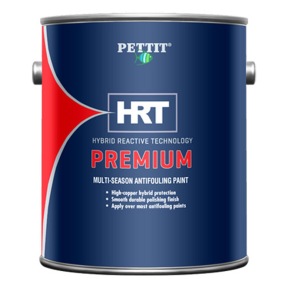
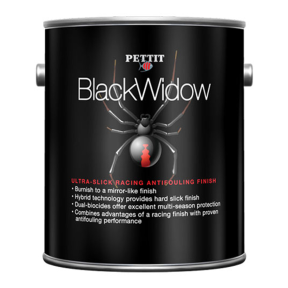
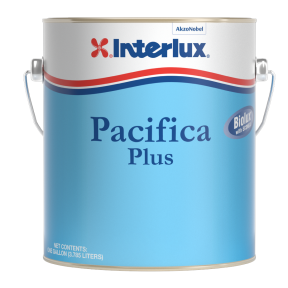
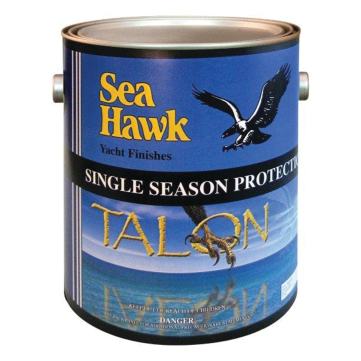
| Multi-Season Self-Polishing Antifouling Paint | Uses a self-polishing coating designed to provide extended in-water protection. | Provides lasting fouling control across more than one season. | Boats kept in the water for extended periods, subject to product instructions, local water conditions, and boat usage. |
How to Choose Antifouling Paint
The right marine bottom paint must suit the hull, boating environment, and existing coating system. Review these purchasing factors before choosing a product:
| Selection Factor | What to Look for |
|---|---|
| Water Conditions | Identify whether the boat operates in fresh water or salt water and assess local conditions. |
| Fouling Severity | Consider the types and concentration of marine growth in the area. |
| Hull Material | Confirm that the antifouling formula is approved for the boat’s hull material. |
| Existing Coating | Check compatibility before applying a different antifouling technology over old paint. |
| Boat Use | Consider speed, frequency of use, and how long the boat remains in the water. |
| Maintenance | Compare surface preparation, application method, drying time, and expected reapplication schedule. |
Preparing and Applying Boat Bottom Paint
Surface preparation supports coating adhesion, coverage, and service life. Always follow the selected manufacturer’s instructions because preparation methods and drying intervals can vary by product and hull condition.
- Clean and degrease the hull: Remove surface contamination before sanding or coating.
- Sand and smooth the surface: Prepare the existing finish according to the product instructions.
- Inspect bare areas: Identify new hull surfaces, exposed patches, or incompatible coatings.
- Apply a compatible primer or barrier coat: Use one when required for adhesion, hull protection, or coating compatibility.
- Apply the antifouling paint: Follow the manufacturer’s requirements for coating thickness, number of coats, drying time, and launch timing.
Copper-Free and Low-VOC Bottom Paint
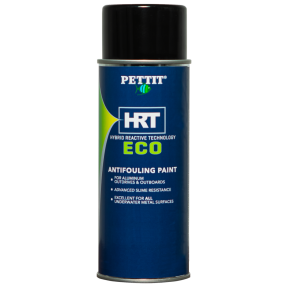
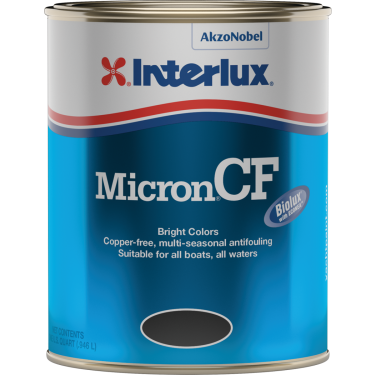
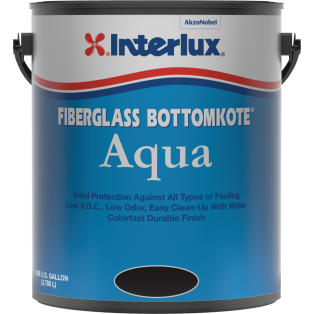
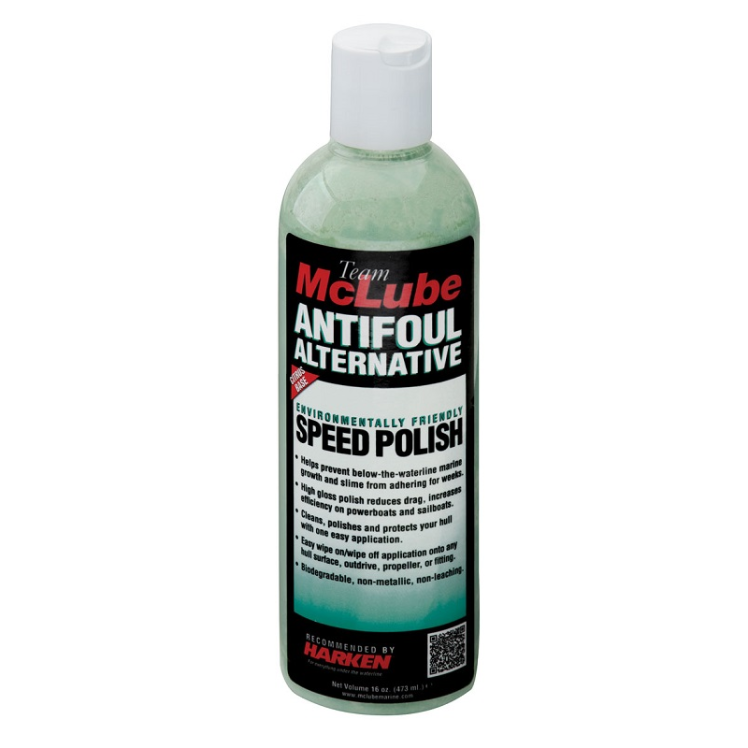
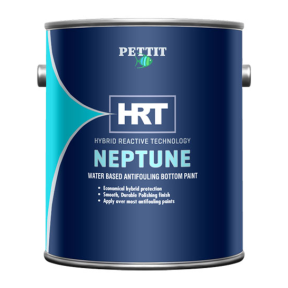
Copper-free and low-VOC antifouling paints provide alternatives for boat owners managing hull compatibility or environmental requirements. Copper-free coatings may be used on aluminum hulls when the individual product is approved for that application. Review local regulations and the manufacturer’s label before selecting or applying any marine bottom paint.
Frequently Asked Questions
What type of antifouling paint should I use on my boat?
Choose antifouling paint according to hull material, fresh-water or salt-water use, local fouling severity, boat speed, time spent in the water, and compatibility with the existing coating. Ablative, hard modified epoxy, and multi-season self-polishing paints provide different wear characteristics and maintenance schedules.
Is antifouling paint safe for every boat hull material?
No, antifouling paint is not universally compatible with every hull material. Copper-based bottom paint should not be applied to aluminum hulls or underwater metals because the materials are incompatible. For an aluminum boat, select a copper-free antifouling coating specifically approved by its manufacturer for aluminum surfaces.
What is the difference between ablative and hard bottom paint?
Ablative bottom paint gradually wears away during use, exposing fresh biocide as the coating erodes. Hard bottom paint, also called hard modified epoxy or non-sloughing paint, creates a durable finish that does not wear away in the same manner and is commonly suited to faster-moving boats.
Do I need primer before applying antifouling paint?
A compatible primer or barrier coat may be needed on new hulls, bare patches, or surfaces with incompatible existing paint. Primer requirements depend on the hull material, surface condition, and selected antifouling system. Follow the paint manufacturer’s preparation instructions before sanding, priming, or applying the finish coats.
How often should boat bottom paint be reapplied?
Boat bottom paint is typically reapplied every one to three seasons, although the interval varies by antifouling technology, water conditions, fouling pressure, boat speed, and frequency of use. Inspect the underwater coating regularly and follow the product manufacturer’s maintenance and reapplication guidance for the selected paint.
How should I prepare a hull for antifouling paint?
Prepare the hull by cleaning and degreasing the surface, sanding it as directed, smoothing damaged areas, and applying a compatible primer or barrier coat when required. Use the antifouling manufacturer’s instructions for surface preparation, coating thickness, number of coats, drying intervals, and the permitted time before launching.