
Boat Bottom Paint and Antifouling Solutions
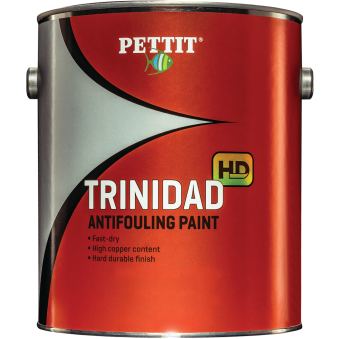
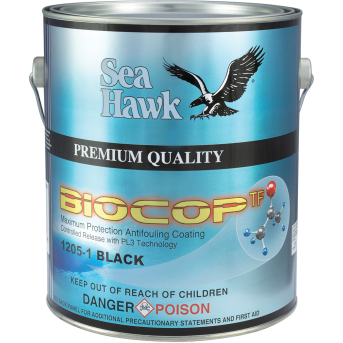
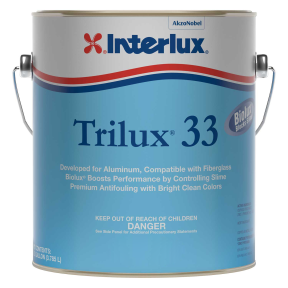
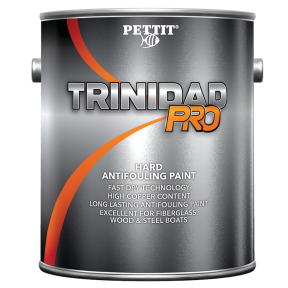
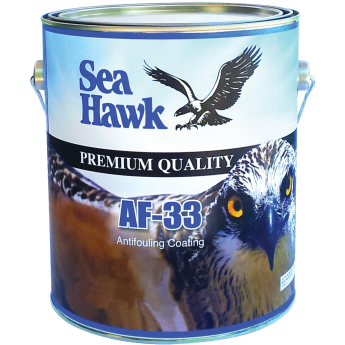
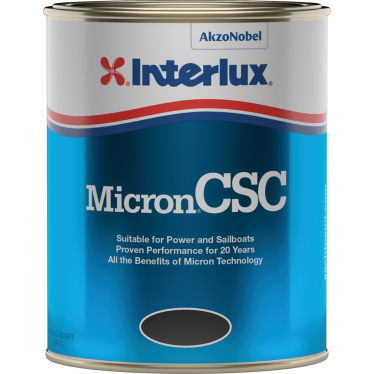
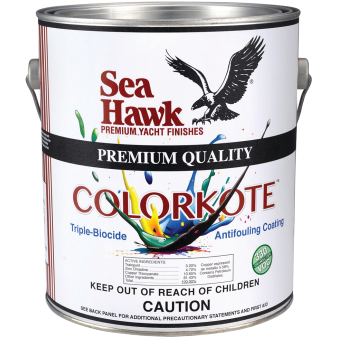
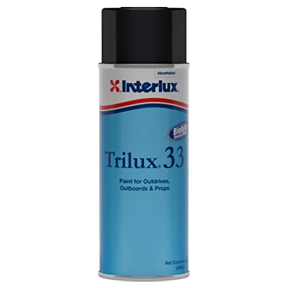
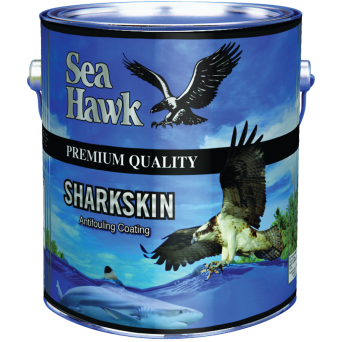
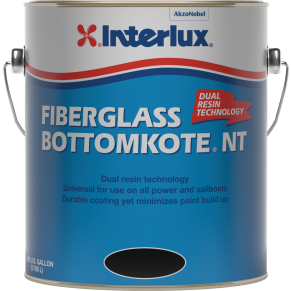
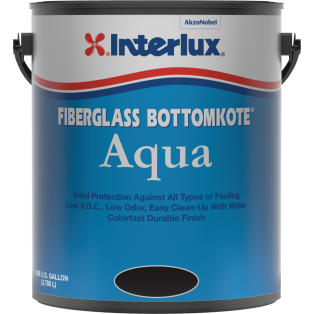
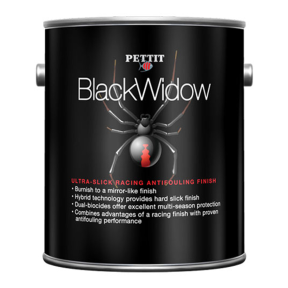
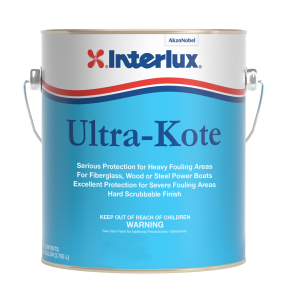
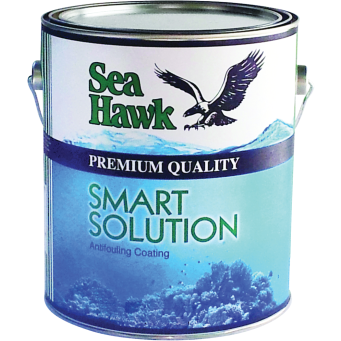
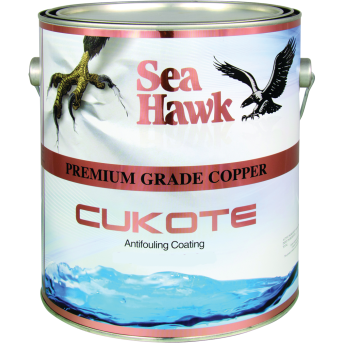
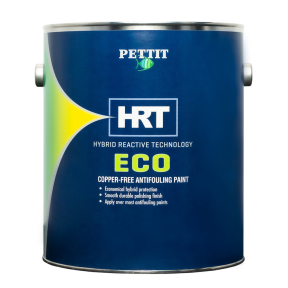
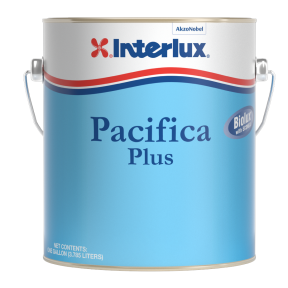
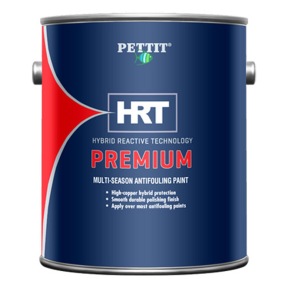
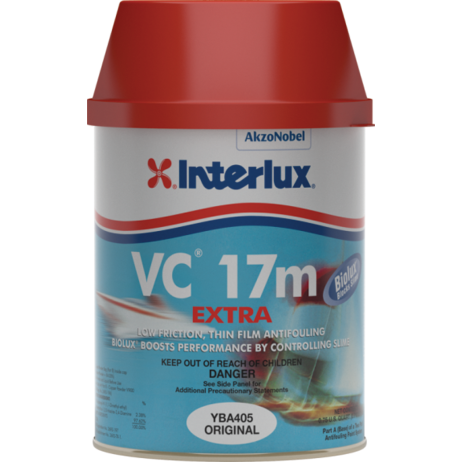
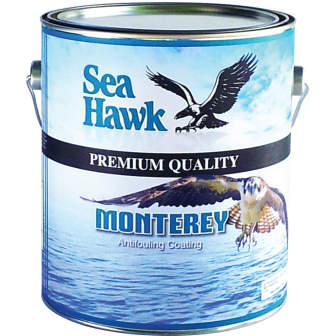
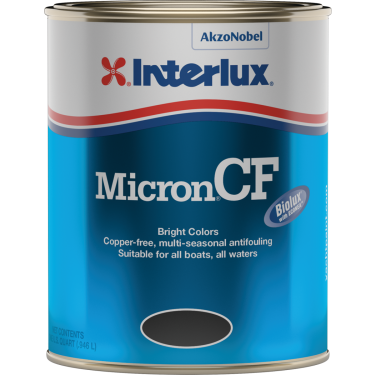
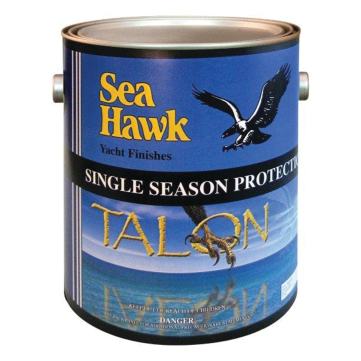
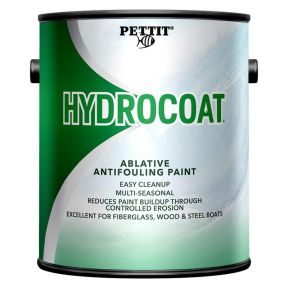
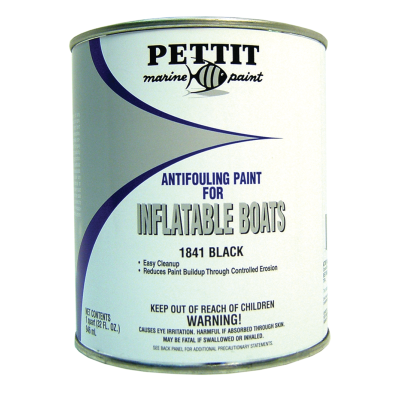
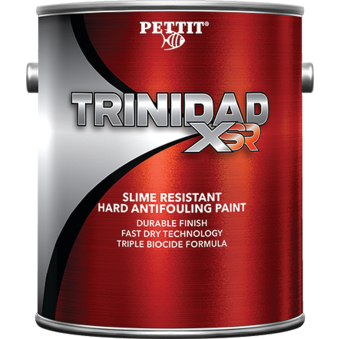
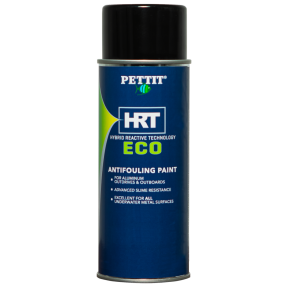
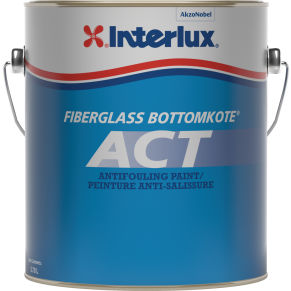
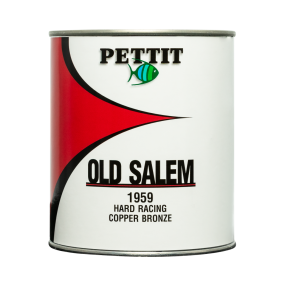
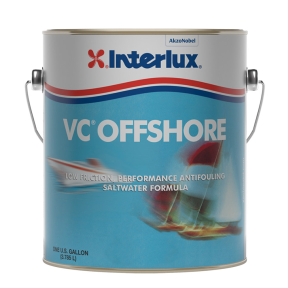
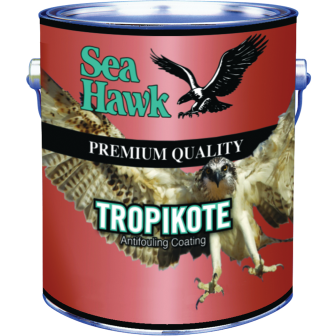
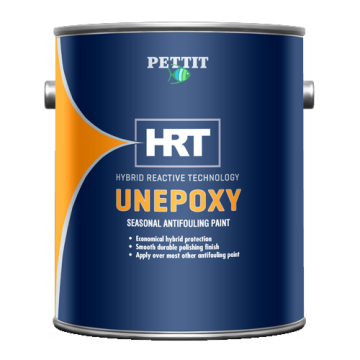
At Fisheries Supply, we understand the importance of maintaining a clean and well-protected boat bottom. That's why we offer a comprehensive selection of top-quality boat bottom paints and antifouling coatings from trusted brands like Interlux, Pettit, and Seahawk. Our marine bottom paint solutions are designed to safeguard your boat from the damaging effects of fouling organisms, maximize speed, and reduce fuel costs.
At a Glance
- Three main bottom-paint types are highlighted: ablative (self-wearing to expose fresh biocide), hard/modified epoxy (durable, good for fast boats), and multi-season self-polishing (long-term in-water protection).
- Choosing the right antifouling paint depends on water types, hull material, local fouling severity, compatibility with existing coatings, and preferred application approach.
- Good performance relies on proper prep and application: clean, sand, use a compatible primer or barrier coat when needed, and follow manufacturer drying/application guidance.
- Environmental compliance matters: copper-free and low-VOC options are available to meet strict regulations and reduce marine impact.
- Safety/compatibility notes: copper-based paints should not be used on aluminum or underwater metals; copper-free paints are suitable for aluminum hulls.
- Reapplication is typically needed every 1–3 seasons, varying by paint type, water conditions, and how the boat is used.
Types of Bottom Paint
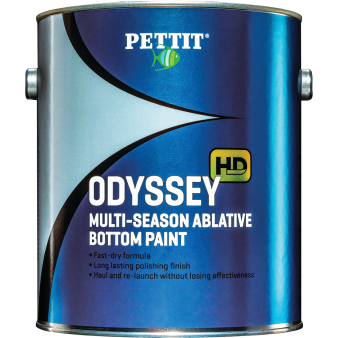
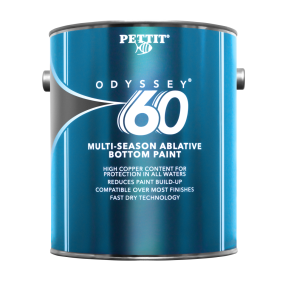
We carry a wide range of underwater boat hull paint options to suit your specific needs:- Ablative bottom paint: These ablative paints gradually wear away as your boat moves through the water, exposing fresh biocide and providing continuous protection.
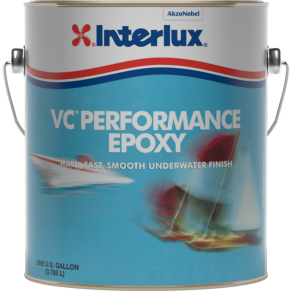
- Hard bottom paint: Also known as hard modified epoxy or non-sloughing paints, these antifouling bottom paints create a durable coating that is ideal for faster-moving boats.
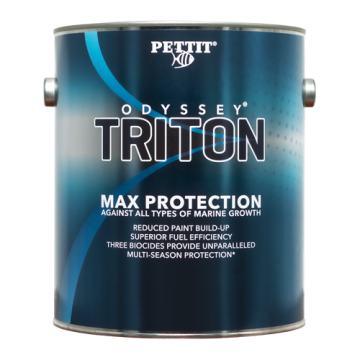
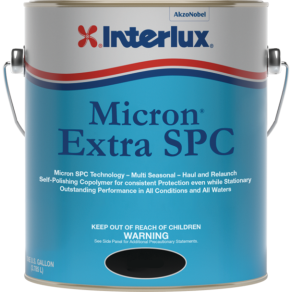
- Multi-season self-polishing antifouling paint: These paints offer excellent antifouling protection and are suitable for boats that remain in the water for extended periods.
Choosing the Right Bottom Paint
Our representatives can help you select the perfect anti-fouling paint for your boat, taking into account factors such as:- The type of water and conditions in which your boat will be used.
- The material of your boat's hull.
- The level of fouling in your area and the types of marine life present.
- Compatibility with any existing coatings on your boat's hull.
- Your preferred application method and ease of maintenance.
Preparing and Applying Bottom Paint
Proper surface preparation is key to ensuring optimal performance and longevity of your bottom paint. You will need to follow necessary steps, such as:- Cleaning and degreasing the hull.
- Sanding and smoothing the surface.
- Applying a compatible primer or barrier coat, if necessary.
- Carefully following the manufacturer's instructions for application and drying times.
Environmental Considerations
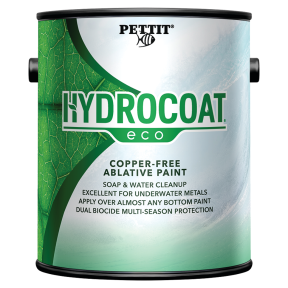
At Fisheries Supply, we are committed to offering eco-friendly bottom paint options that meet even the strictest environmental regulations. Our inventory includes copper-free and low VOC paints, allowing you to enjoy trouble-free boating while minimizing your impact on the marine environment.Frequently Asked Questions
Is antifouling paint safe for all hull materials?
Not all antifouling paints are safe for every hull type-copper-based paints should not be used on aluminum hulls or underwater metals, while copper-free paints are suitable for aluminum.
Do I need to use a primer before applying antifouling paint?
To ensure proper adhesion and protection, a primer or barrier coat is recommended for new hulls, bare patches, or when switching between incompatible paints.
How often should antifouling paint be reapplied?
Most antifouling paints need to be reapplied every 1–3 seasons, depending on the type of paint, water conditions, and boat usage.
What factors should be considered when choosing the best antifouling paint for my boat?
Your selection should be guided by several key factors: the type of water and conditions (fresh or salt), the severity of fouling in your local area, the material of your boat's hull, and the compatibility with any existing paint already on the boat's bottom.
How often should I plan to reapply antifouling paint?
The reapplication frequency typically falls within a window of one to three seasons, depending on the specific product type you choose, your boating habits (such as speed and usage), and the water conditions where your boat is moored.